70-year-old man woke up to a warning from his smart bed — when his watch confirmed it, his doctor rushed him to the ER


Technology is increasingly becoming a silent guardian for our health, quietly monitoring our bodies while we go about our daily lives. One 70-year-old man received an unexpected alert from his smart bed that made him realize something was seriously wrong. He woke up to a warning, and at first, wasn’t sure what it meant. When he cross-checked the data with his smartwatch, he realized he needed medical attention immediately. As reported by the New York Post on February 26, 2026, this incident gained attention for showing how smart home devices can alert people to serious health issues in time.

The warning from his smart bed indicated that his heart rate had dropped to a dangerously low level during the night. As per a report in the New England Journal of Medicine, the bed recorded an average nighttime heart rate of just 42 beats per minute, far below the man’s usual rate of 72 beats per minute. Cardiologist James Ip of Weill Cornell Medical College and New York–Presbyterian Hospital explained the situation in detail. The man also noticed some shortness of breath, prompting him to call his doctor, who immediately instructed him to go to the emergency room.

At the hospital, an electrocardiogram (EKG) revealed a complete heart block, or third-degree atrioventricular block, a condition in which the heart’s atria are disconnected from the ventricles, producing a dangerously slow rhythm. The elderly man also had a medical history of hypertension and coronary artery disease, making the slow heart rate even more concerning. Left untreated, a complete heart block can lead to cardiac arrest or heart failure. Thanks to the timely alert from the smart bed, doctors were able to insert a pacemaker, which corrected the rhythm and relieved his symptoms.
The bed used ballistocardiogram technology, a non-invasive system that detects minute heart movements and can sense abnormal pacing. Ip noted that while bradycardia often occurs without noticeable symptoms during sleep, any signs, such as shortness of breath, should prompt immediate medical attention. This demonstrates the real potential of smart devices to provide early warnings that complement traditional medical care.

According to the Mayo Clinic, bradycardia occurs when the heart beats slower than normal, below 60 beats per minute in adults at rest, and can become dangerous if the heart cannot pump enough blood to the body. Research supports the value of extended monitoring to detect hidden heart rhythm problems. A study comparing 14‑day continuous electrocardiography (ECG) patch monitoring with standard 24‑hour Holter monitoring found that the longer monitoring method detected relevant arrhythmias in 66% of patients, compared with only 9% detected by a 24‑hour recording.

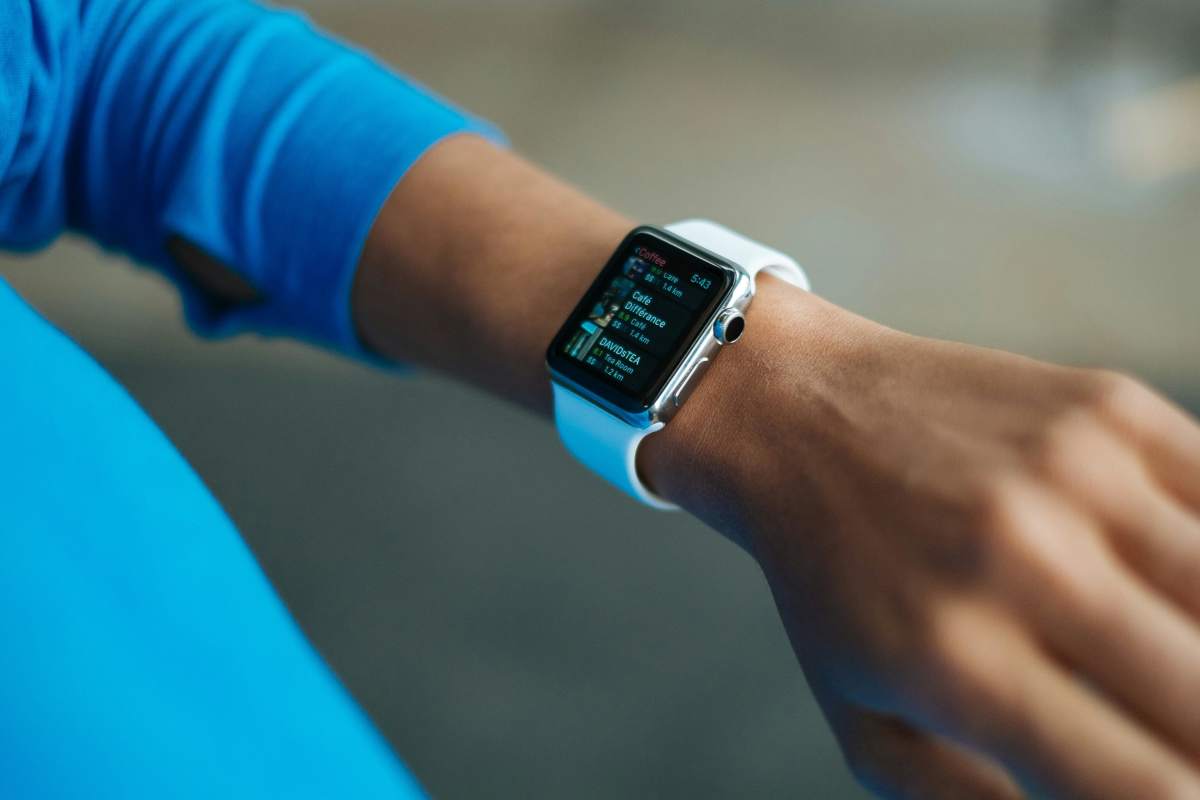
Severe cases of bradycardia may result in fainting, heart failure, or sudden cardiac arrest and often require a pacemaker for treatment. Ultimately, what could have been a routine night became a life-saving intervention. The man’s smart bed detected an abnormal heart rate, his smartwatch and a home blood pressure machine confirmed it, and prompt medical care prevented serious complications. “The patient’s symptoms abated,” Ip confirmed, showing how technology and timely medical intervention worked together.
More on Amplify
Sleep doctors say if you experience these 2 most-ignored symptoms, visit a doctor immediately
Sleep expert reveals why some of us wake up at 3 am every night — it's not always stress
Veteran with PTSD was asleep when service dog started pawing at him—the wake-up call saved his life