Critical-care nurse urges patients to avoid scheduling surgery on a Friday — the dangerous 'weekend effect' can be life-threatening


A critical-care nurse has a warning for people planning to have their surgeries scheduled on Friday. In a video, she explained why scheduling a critical surgery close to the weekend can prove to be life-threatening. The woman also revealed which days a patient should choose instead. The nurse, Paige Lennox, pointed out that Friday might seem like a convenient day, as one can spend the weekend in recovery. But a patient could end up facing what is known as the "weekend effect" in the medical community. She explained the effect through her TikTok video, where she goes by @paige.lennox.book. The clip posted on December 11, 2025, received over 527,000 views.
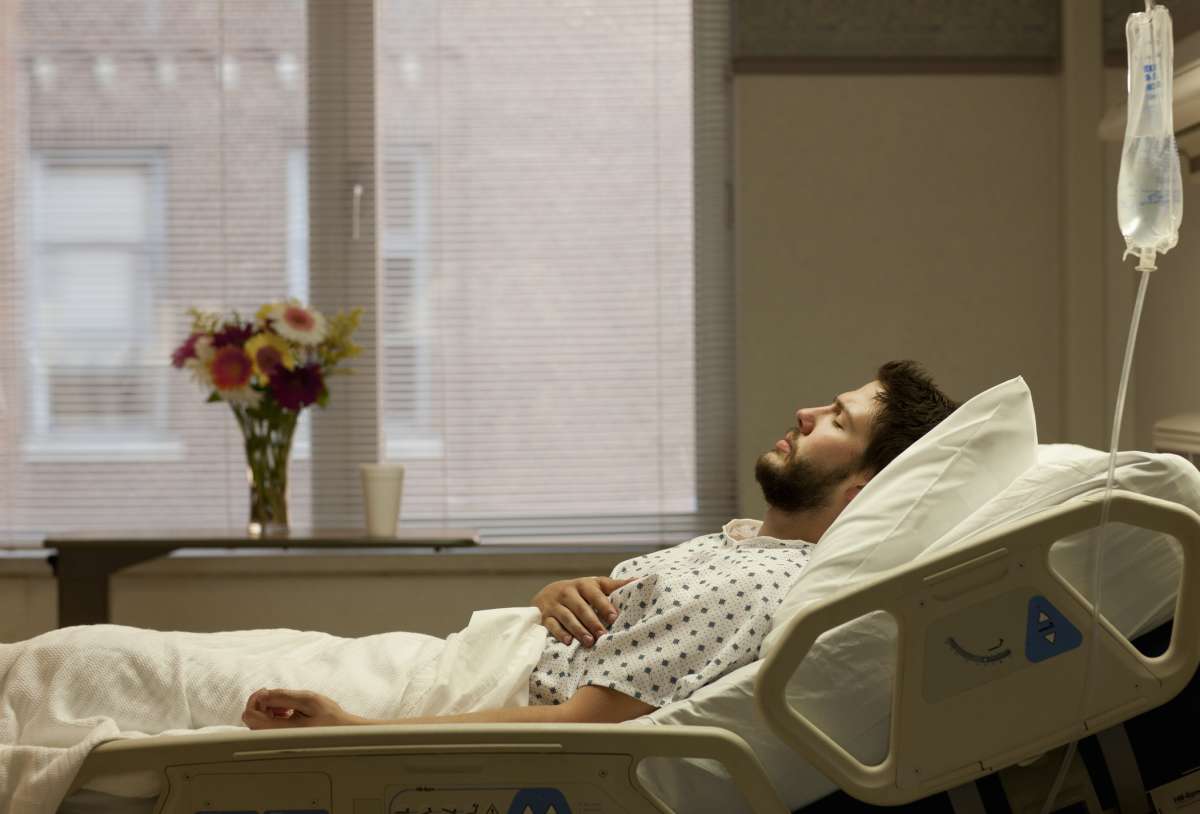
"Don't have surgery on a Friday. Here's why," the text overlay of the video read. "Your doctor wants to schedule your surgery for a Friday. It seems convenient. You can recover over the weekend," Paige began. "Don't do it. And here's why. It's called the 'weekend effect.'" She said studies show that patients who undergo surgery on Fridays face a greater risk of serious complications and even death. "Why? Because hospitals run on a skeleton crew over the weekend." She added, "There are fewer experienced staff, fewer specialists available. Diagnostic services are limited. If you have a complication on a Saturday, you might not get the immediate expert care you need."

So, what can one do instead? "Ask for a Monday, Tuesday, or Wednesday surgery. This gives you the full weekday team to monitor you and your recovery in the crucial first 48 hours." People could also check out Paige's books to understand more about patient care and advocacy. "This video exposes the dangerous 'weekend effect' in hospitals and why you should avoid scheduling a surgery on a Friday," the caption read. People shared their thoughts and experiences with the same in the comments section of the video. Many doctors also weighed in.

@tdot730 wrote, "I am a doctor, and this is very true. Also, women surgeons have better outcomes/fewer complications." @shalizar51 commented, "I had my hysterectomy on a Friday. I had complications. My doctor cancelled her weekend to stay with me at the hospital while I was in the ICU. I got lucky." A person wondered if they should change their knee surgery appointment. Paige responded, "No, I wouldn't change it because surgical wait times are so long… just try and have someone around you while you're in the hospital if you can … you'll do great and be just fine." Labor and delivery were another exception, as those departments were always well-staffed, according to Paige.


@musical_meli34 recounted, "I had surgery on a Friday. My doctor made sure she was available on the weekend to see me and was even available if I needed to call. The hospital took great care of me." Paige often shares such medical advice videos on her page. In another video, she suggested that people should always bring someone to their doctor's appointments, as their checkups would be more thorough.
@paige.lennox.book This video exposes the dangerous “weekend effect” in hospitals and why you should avoid scheduling a surgery on a Friday. Learn how hospital staffing levels drop significantly over the weekend, leaving fewer experienced staff and specialists available to handle complications. Studies have shown a higher risk of complications and mortality for patients who have surgery on Fridays. This guide provides a simple, life-saving tip: ask for your surgery to be scheduled on a Monday, Tuesday, or Wednesday. This ensures that you have the full weekday team available to monitor your recovery during the critical first 48 hours. This is a must-watch for anyone planning a surgery. #HospitalSafety #PatientSafety #Surgery #PatientAdvocacy #WeekendEffect ♬ original sound - Paige Lennox Books & Advocacy
You can follow @paige.lennox.book on TikTok for more health-related content.
More on Amplify
Doctor spills the beans on one line to say to get ‘doctors to listen to you’
Rheumatologist urges adults to do the 'sit to stand' test that predicts how long they'll live