Doctors dismissed teen’s pain for 8 years as nothing — until one doctor looked closer at her spine and found the truth


One cannot imagine the frustration of visiting doctors repeatedly and doing everything to understand what’s wrong and still getting no answers. Then-15-year-old Lauren Casey found herself struggling with immense pain in her hip and lower back, reported the Washington Post. After a certain point, it started directly hindering her hobby — playing the saxophone. She tried everything, including consulting as many professionals as she could, but only for them to dismiss the issue. With either false diagnoses or dismissed cases, the woman was finally recommended to a neurosurgeon after a long wait. That's how she finally had life-saving answers.

At first, the teenager thought her heavy 10-pound instrument was causing the pain. Despite trying to make amends, nothing worked. She visited doctors, one of whom told her she had a “twisted pelvis.” Another told her, “It was just in my head.” At 22, Casey was getting more frustrated with the blank layout of her problem. “It was doctor after doctor shutting me down,” she mentioned. Eight years after struggling and battling the inexplicable pain on her own, she decided to visit a chiropractor. Someone finally pointed out that there was a problem and was willing to dive deeper into it.
“I’d never seen this in a patient before,” said chiropractor Hailey Spencley, who reviewed Casey’s reports. She asked the woman to get an MRI and a few scans, and this time, the 22-year-old could find hope because someone was actively doing something to figure out what was wrong. She was recommended to Russ Nockels, a neurosurgeon and chief of spine surgery at Endeavor Health Northwest Community Hospital in Arlington Heights, Illinois. There she received a diagnosis, and an unbelievable one. Casey had a rare, congenital condition called basilar invagination. According to Columbia Neurosurgery, the condition causes the vertebrae at the top of the spine to move to the base of the skull.
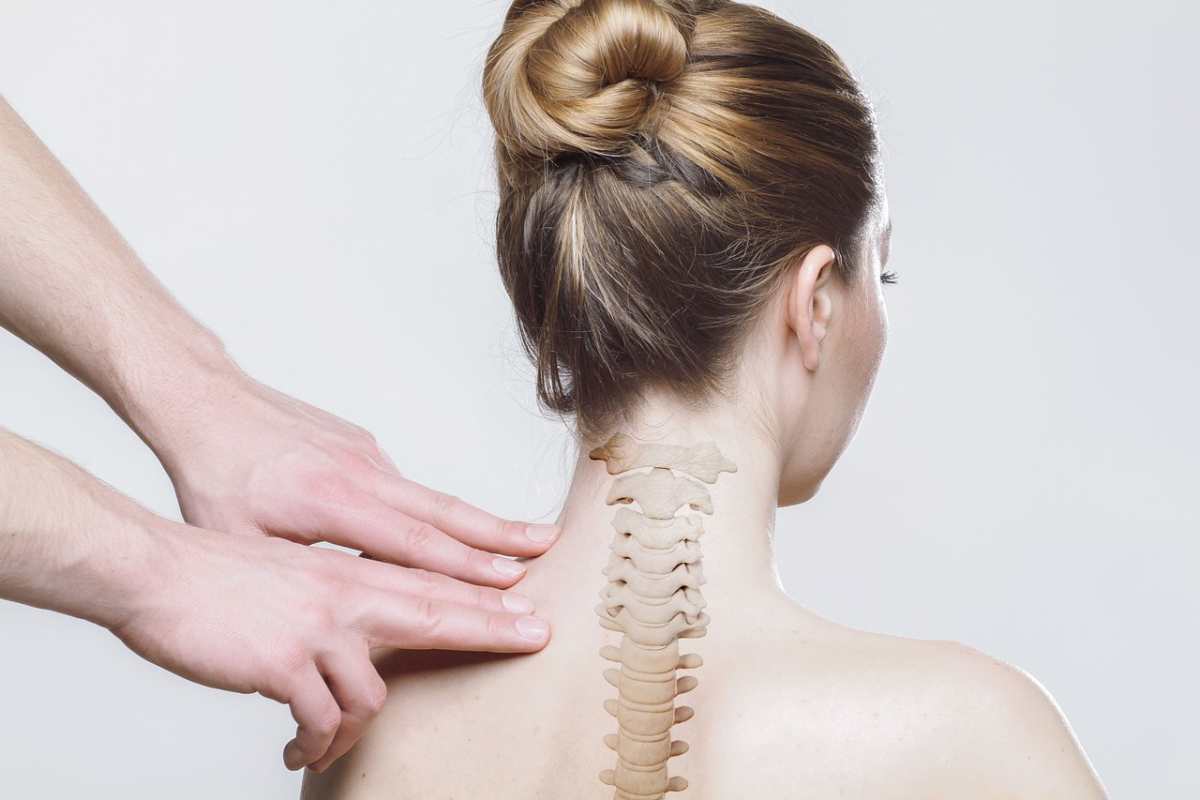
Due to this inconvenient positioning of the vertebrae, the spinal cord and brain stem are compressed. Casey’s condition began at birth when her spine didn’t unfurl properly. Unfortunately, it took way too long for Casey's diagnosis and by that time, the compression was already at 50%. It was by a stroke of luck that she was diagnosed at the right time. Sammy Khalili, the head and neck surgeon on Casey’s care team at Endeavor Health, noted, “She was one hit, one cough away from being a paraplegic.” Her only option was surgery and that was complex and risky.

“I was terrified because so much could go wrong, but at the same time, I didn’t have a choice but to go through with it,” the now-24-year-old said. The team decided to create a slot at the bottom of the skull and move the part so that it was in a better position. Then Casey would have to slowly move and tilt it back to its planned position. She spent three days in the ICU, and the team heavily focused on ensuring their strategy worked. Amin Kassam, another neurosurgeon working on Casey, mentioned that she was the “first to undergo the procedure” of its unique nature. After a long recovery, the woman no longer has hip pain. She can walk normally and pretty much do everything. “I lived for 22 years not knowing what this was. But I’m glad someone found out what was wrong,” she said.

More on Amplify
7-year-old was diagnosed with flu but couldn’t walk—mom’s response led to life-saving diagnosis
This article originally appeared 1 month ago.