Doctors said her son was autistic, but something didn’t add up — finally a CT scan revealed the truth


Most parents trust their instincts when it comes to their child, and when they’re right, the truth can be devastating. For a 34-year-old mom named Tammy, from Swansea in South Wales, her motherly instincts told her something didn’t add up about her son’s autism diagnosis. She always felt that her son Tate’s condition couldn’t be explained by autism alone. Tammy shared that while her son was happy and energetic, his emotional responses felt different from those of other children his age, as reported by Newsweek on Saturday, January 24, 2026. “I just knew there was more to it,” Tammy said. Tate didn’t express emotions as her friends’ kids did, and that small detail stayed with her from early on. She also documented Tate’s journey on TikTok, under the handle @tates.tomorrow.
@tates.tomorrow Help me save my kiddo #tatestomorrow #childhooddementia #birthday #boy ♬ Beautiful Baby I Love You So - Maddison Major
Tammy, who became a first-time mother during the COVID-19 pandemic, initially believed that she was lucky. Her baby rarely cried and had an unusual, laid-back temperament. Tammy said her son was almost “too good to be true.” She always had one lingering sense that something was being missed, and it never went away. In March 2024, doctors discovered a critical clue. A CT scan was conducted, which revealed enlarged ventricles and spaces in the brain, often associated with childhood dementia. After performing several tests, referrals, and uncertainty, Tammy finally received an answer. Doctors diagnosed Tate with Sanfilippo Syndrome Type A, a rare and terminal genetic disorder commonly referred to as childhood dementia.
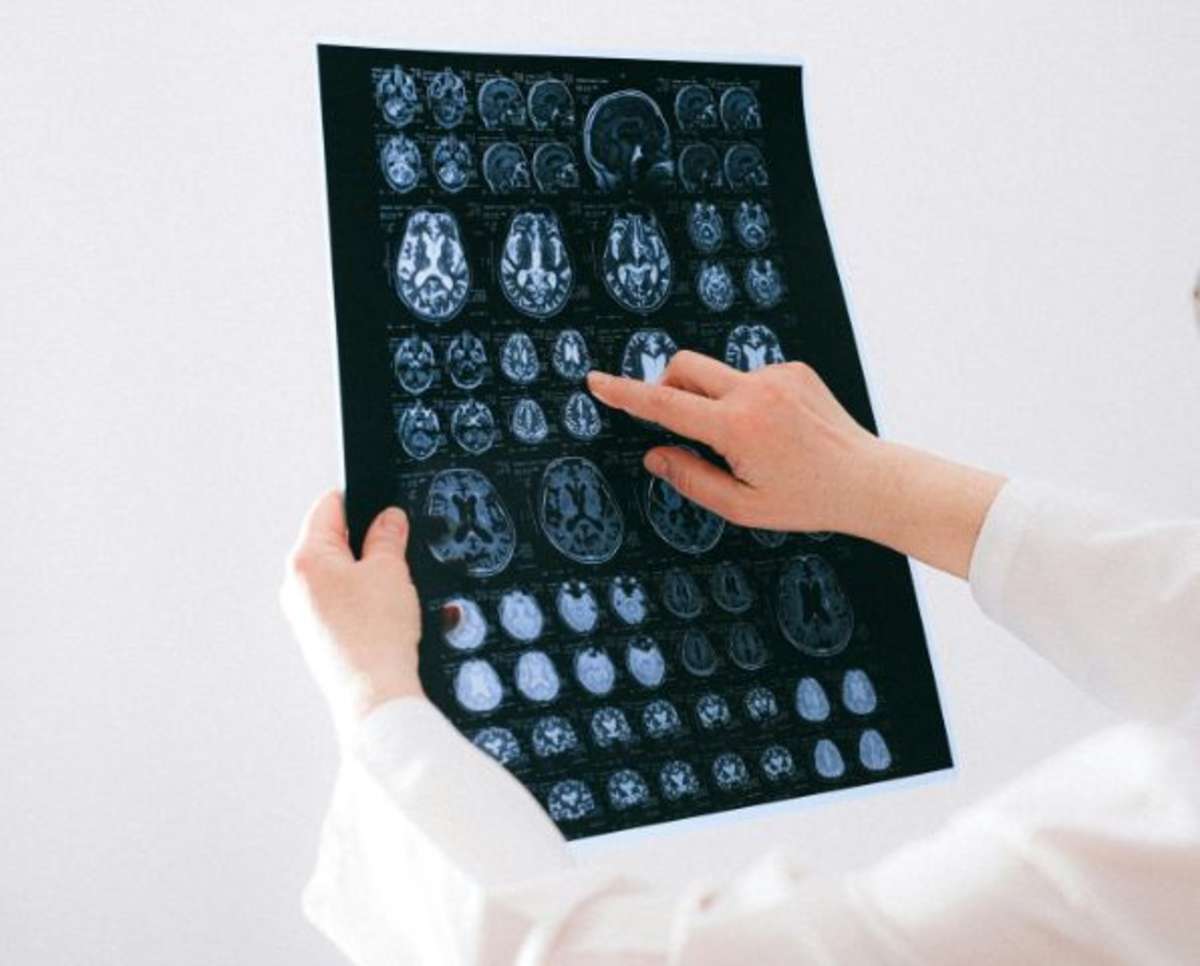
Sanfilippo Syndrome Type A causes progressive neurological decline. It makes children lose abilities they once had, including speech, mobility, and the ability to eat independently. With time, children may lose all voluntary movement. In Tate’s case, in his early years, the signs mirrored autism. Being nonverbal and showing limited emotional expression led doctors to initially diagnose autism, a common experience for many children with Sanfilippo Syndrome. Symptoms typically worsen as children grow older. Children typically begin to regress around ages 5 or 6, and by 8 or 9, they may require feeding tubes and use a wheelchair.

Tammy shared that Tate has never spoken, something she initially believed to be part of his autism diagnosis. Now, she knows that she will never hear his voice, a reality she described as painful and heartbreaking. There is currently no cure for Sanfilippo Syndrome anywhere in the world; research is ongoing. Scientists are focusing on experimental treatments intended to delay the progression of the disease instead of reversing it. In the US, according to the outlet, there is growing hope around a gene therapy known as UX111, which could potentially receive approval by the end of 2026. Early trial data have shown promising results. Children who received the treatment experienced significantly less regression compared to those who did not.

The therapy cannot eliminate the disease, but it may extend brain function, reduce the pace of progression, and support a better quality of life. Tammy is determined to do everything it takes and has set up a GoFundMe page to raise money for travel to the United States. Tammy said, “Time is of the essence. The best thing I can do is fight for his quality of life… I'm living in this moment because, at any point this year, it could turn.”