Doctors scheduled surgery for blood clots in a 35-year-old’s swollen arm after a workout — then canceled it for a reason that left him shaken


A sore muscle after exercise rarely feels like a reason to worry. For one man named Conno Christou, what seemed like a swollen arm after a workout led to a medical journey he never expected. His doctors initially prepared him for surgery after finding two blood clots in his arm, but everything changed before the procedure could begin. As reported by TechCrunch, Christou later learned that the operation would not go ahead after doctors discovered something far more serious during his pre-surgery tests. The unexpected finding left the 35-year-old shaken and completely changed the focus of his treatment.

Christou had spent years tracking nearly every part of his health. He monitored his sleep with wearable devices, completed detailed blood tests every year, and followed advice from longevity experts. His 2025 health check showed no major concerns. Then, after the arm swelling led him to the hospital, doctors found two blood clots and scheduled surgery. During the pre-operative scans, they instead discovered an 11-by-11-by-8 centimeter mass behind his sternum. A biopsy confirmed an aggressive form of non-Hodgkin's lymphoma caused by a random genetic mutation. Christou later described himself as "Lucky in my unluckiness," because the cancer had been found by accident before it reached a more advanced stage.

The diagnosis brought another difficult choice when two experienced cancer specialists recommended different chemotherapy plans. One advised a lighter treatment, while the other believed a stronger six-month hospital-based regimen offered much better chances. Rather than accepting the first opinion, Christou gathered advice from 12 specialists around the world, with 11 supporting the more aggressive option. He chose the harder treatment because the evidence convinced him it offered the best opportunity for recovery despite the difficult months ahead.

Throughout chemotherapy, Christou treated recovery like a major project with clear goals. He tracked symptoms, blood test results, sleep, medications, and daily changes using wearable devices and voice notes. He also used the Claude AI tool to organize medical information and prepare better questions for his doctors, while making it clear that "It didn't replace the doctors." According to research published in the journal Primary Mediastinal Large B-cell Lymphoma, this rare cancer mainly affects younger adults, usually forms a large mass in the chest, and modern treatments using immunochemotherapy have greatly improved survival outcomes compared with older approaches.
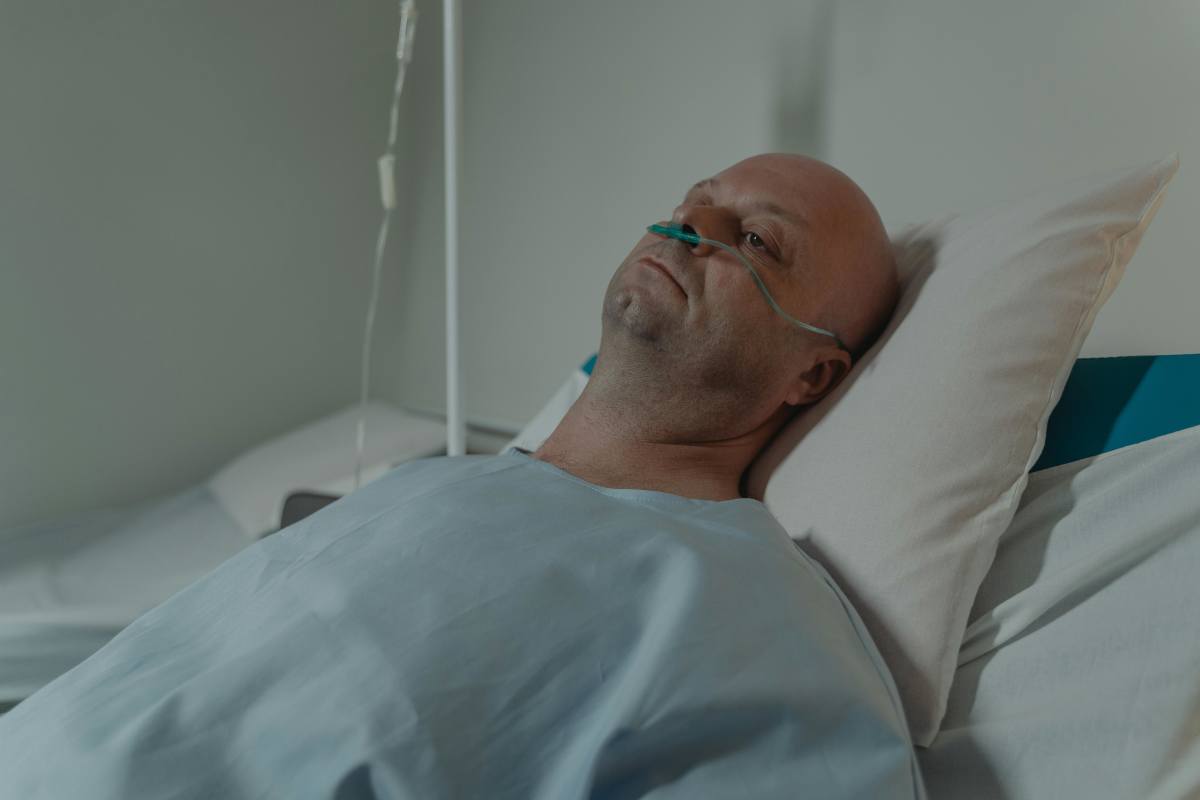
His biggest scare came after finishing treatment when a PET scan suggested the disease might still be active. Doctors began discussing another round of treatment, including possible radiotherapy near his heart and lungs. Christou reviewed research, studied his scans, and again used Claude to help him understand published medical findings before consulting more specialists. According to a case report, younger lymphoma patients can develop thymic rebound hyperplasia after chemotherapy, where the recovering thymus temporarily enlarges and can closely resemble returning cancer on scans, making careful evaluation important.
Three more medical opinions followed before a fourth doctor confirmed the suspicious scan showed thymic rebound rather than active cancer. No further radiotherapy was needed, and Christou was declared free of disease. The experience changed how he viewed both medicine and life. He now takes more time away from work, values moments with friends and family, and believes health is about more than numbers on a report. Looking back, he said one lesson stayed with him above everything else: "Be happy now."