Elderly woman suspected diabetes when her German Shepherd kept sniffing her mouth at night — but the pet’s real warning left doctors stunned


Pets can often sense things about our health that we might miss ourselves. One elderly woman experienced this firsthand when her German Shepherd began sniffing her mouth at night, prompting her to suspect she might have diabetes. At first, the canine's behavior seemed odd but harmless. But when she grew concerned and got tested, the results shocked both her and medical professionals. On Wednesday, March 4, 2026, an Instagram video shared by BBC Kent under the handle @bbcinkent told the story of how the dog’s unusual actions ultimately helped detect a serious health issue early.
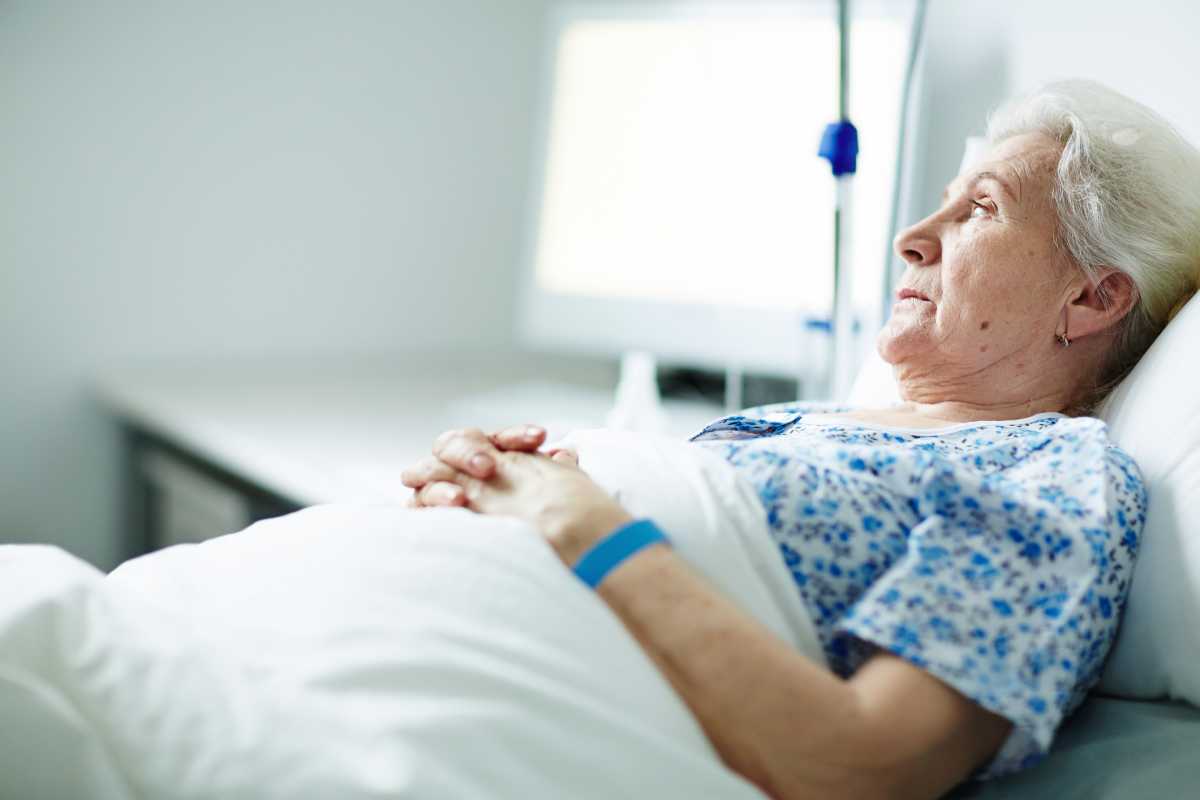
Colleen Ferguson, a 70-year-old former veterinary nurse from Headcorn, Kent, first became concerned when her German Shepherd, Inca, kept sniffing her mouth at odd times, especially during the night. At first, Ferguson thought the dog might be detecting a low blood sugar or diabetes. “All of a sudden, she kept trying to sniff my mouth and looked all concerned. I just couldn't push her away,” she recalled in conversation with the outlet. After paying privately for a full-body scan, she was stunned to learn she had stage one lung cancer.
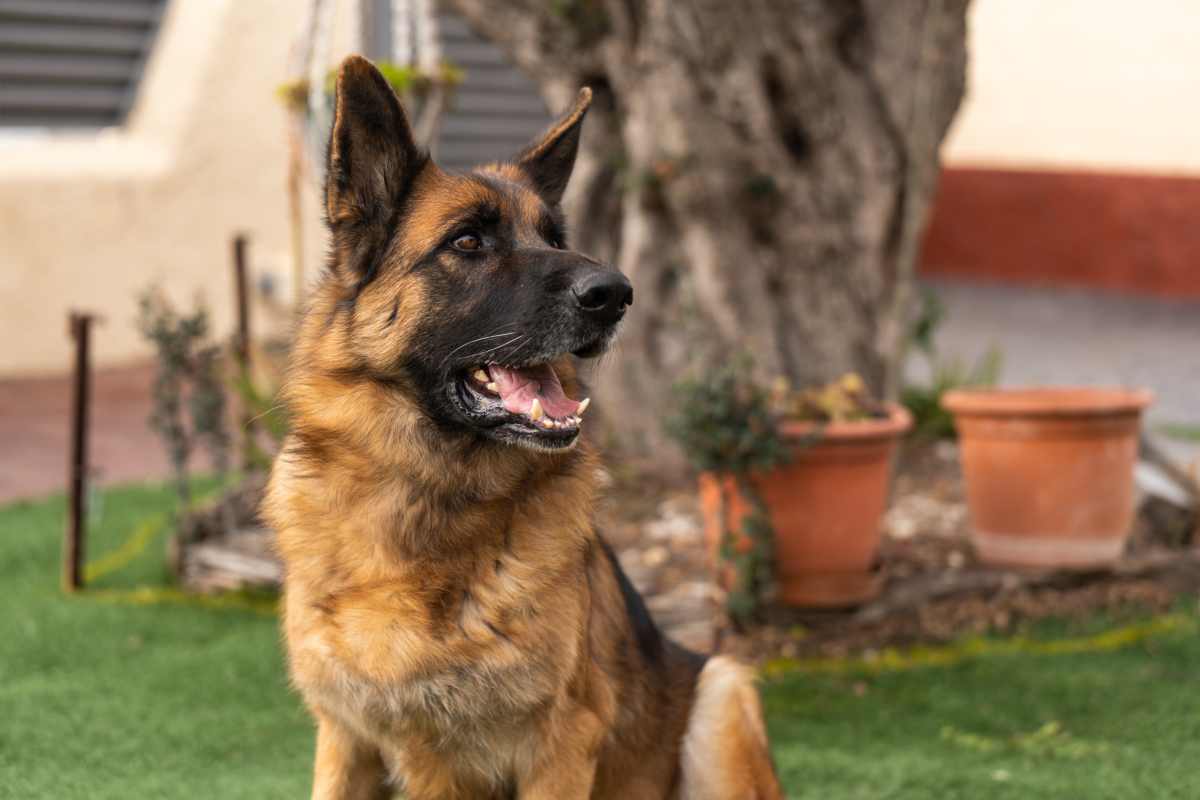
It was a moment that reminded her just how closely pets can watch over us. “I couldn't believe it – other than being a bit tired, I had no symptoms at all and have never been a smoker,” she said. Ferguson explained that Inca’s persistence, combined with the well-known ability of dogs to detect medical changes in humans, prompted her to get tests done even when her routine blood work showed nothing. She shared how the surgeon told her, “That dog saved you, now go live your life.” Medical staff praised Inca, explaining that catching lung cancer at such an early stage is nearly impossible without other ongoing scans.
Looking back, Ferguson remembered when Inca’s behavior first started during obedience training in January 2015, when the dog was just two years old. She realized the dog’s alertness had been consistent ever since. Ferguson added that Inca became more than a pet during her treatment and recovery. After her operation, she experienced panic attacks, and Inca was trained to accompany her to blood tests and doctor visits, eventually becoming her constant companion. The connection between Ferguson and Inca grew even stronger after the diagnosis.

The bond people have with their pets often goes beyond simple friendship. Ferguson also makes a point of rewarding and praising her dog frequently. “She gets plenty of treats, that's for sure,” she happily noted. The loyalty and intuition of animals like Inca can have a profound impact on our lives. Beyond caring for Inca, Ferguson has channeled her experiences into creative pursuits, writing five self-published books and earning a master’s degree. Inca remains by her side through it all, serving as both a companion and a symbol of the dog’s remarkable intuition.
For more such videos, you can follow @bbcinkent on Instagram.
More on Amplify
Veteran with PTSD was asleep when service dog started pawing at him—the wake-up call saved his life