Flight officials told woman she wasn’t eligible for hotel booking as flight was canceled due to weather — one provision helped her call out the bluff


Travel delays are frustrating enough on their own, and most passengers understand that disruptions can affect even the best-planned journeys. What matters just as much as the delay itself is knowing why it happened and receiving clear, consistent information. When those explanations keep changing, frustration quickly turns into distrust. That was the experience of Fatima Kay, who documented her ordeal on Threads on July 5, 2026, under the handle @outdoorwildflower. After her early morning flight was canceled, she was rebooked for the following day, only for that flight to be canceled as well while she was already on her way to the airport. As she sought answers, each employee seemed to tell a different story, leading to a discovery that changed the entire situation.
The turning point came when Kay noticed something that didn't add up. The airline had already issued her 5,000 flying points along with a $12 meal voucher, despite repeatedly insisting that bad weather was responsible for the cancellation and that she therefore wasn't eligible for a hotel. Curious, she politely asked to speak with a supervisor. The explanation immediately changed. According to the supervisor, the flight hadn't been canceled because of weather at all. It was actually a staffing issue.
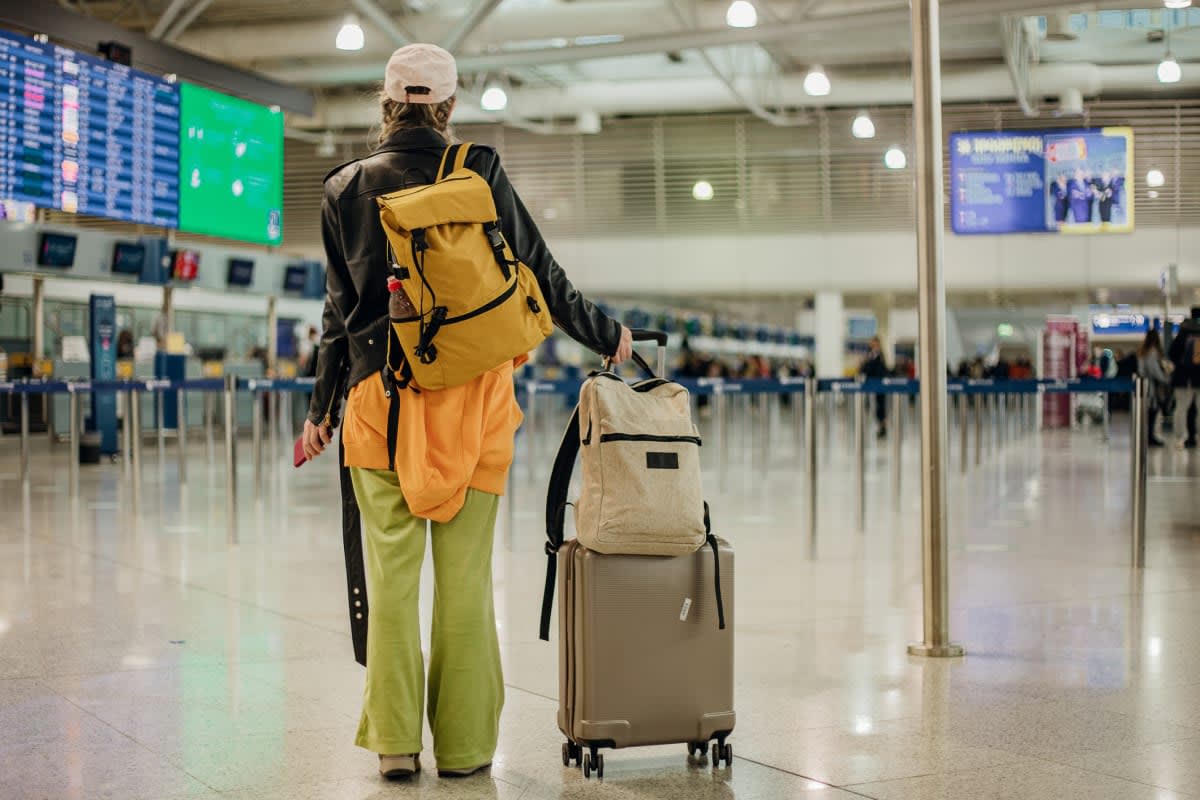
Considering she had already endured two cancellations, hours in line, and the prospect of waiting until Tuesday, the revised explanation made the ordeal even harder to accept because it no longer appeared to have been caused solely by factors outside the airline's control. For Kay, the biggest issue wasn't simply missing a flight. As a visitor from Germany, she suddenly found herself stranded in an unfamiliar place while trying to figure out where she would spend the night. She acknowledged that flight disruptions are an unavoidable part of travel and that passengers cannot expect airlines to prevent every delay or cancellation.
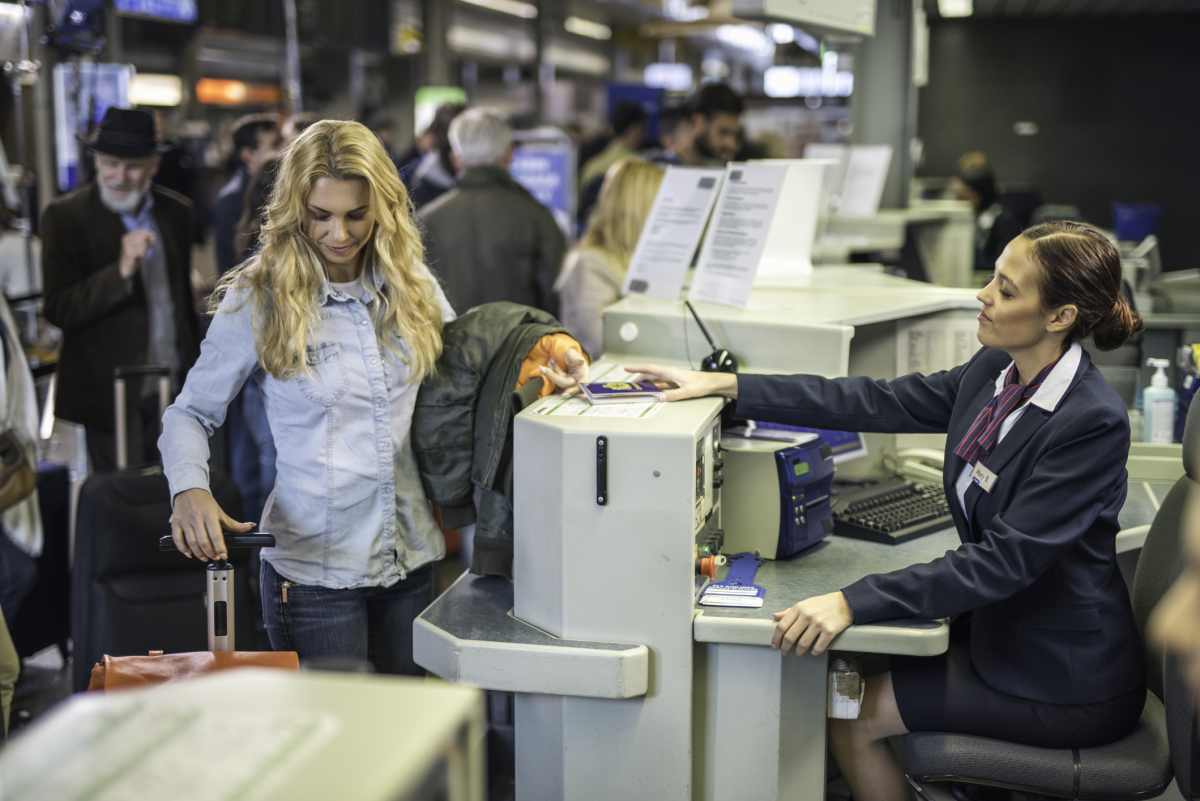
What she struggled to accept was receiving conflicting explanations from different employees, particularly when those explanations appeared to determine whether she qualified for assistance. Mixed messages like these make it especially difficult for passengers to know what rights they have or what help they should reasonably expect, adding unnecessary stress to an already exhausting experience. According to a study published in the Journal of Air Transport Management, the way airlines respond after a disruption can shape passengers' experiences just as much as the disruption itself.
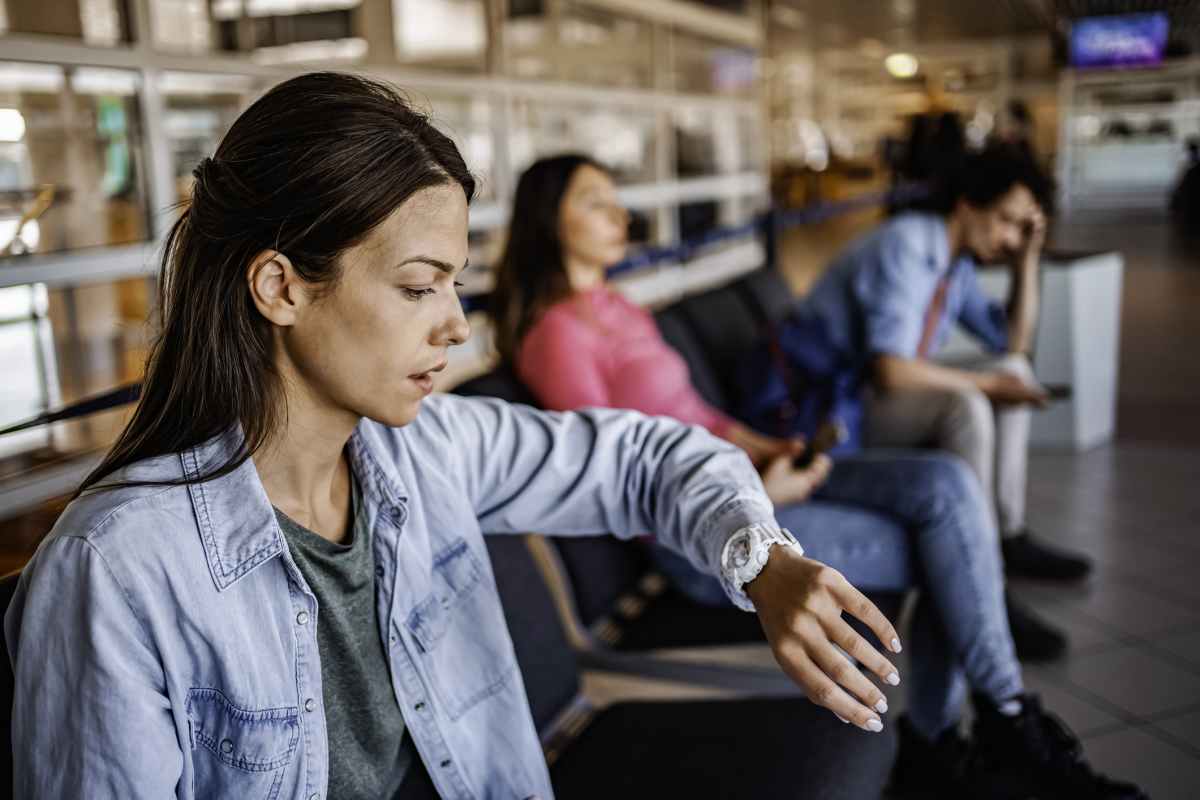
Researchers surveyed travelers who had experienced service failures and found that interactional justice, referring to respectful, honest communication, and procedural justice, meaning fair and consistent handling of a situation, were both key factors influencing passenger satisfaction. The study also found that satisfaction with an airline's service recovery had a direct impact on overall customer satisfaction and future loyalty. Kay's experience highlights this distinction. Travel disruptions are often unavoidable, but trust is built through clear and consistent communication.
For more stories, you can follow @outdoorwildflower on Threads.