Hiker terrified of a grizzly bear charging from 15 feet away made one desperate move with his arm — it saved him from the unthinkable


Nature has a way of reminding people how small they are. San Diego resident Daniel Crago experienced that reality firsthand during what was supposed to be the final day of a dream trip to Montana's Glacier National Park. While descending from the famous Grinnell Glacier Trail, he encountered what many hikers consider their worst nightmare: a grizzly bear attack. However, the hiker believes a split-second decision made in the heat of the moment may have ultimately saved his life. His remarkable survival story was featured by Backpacker on June 5, 2026.
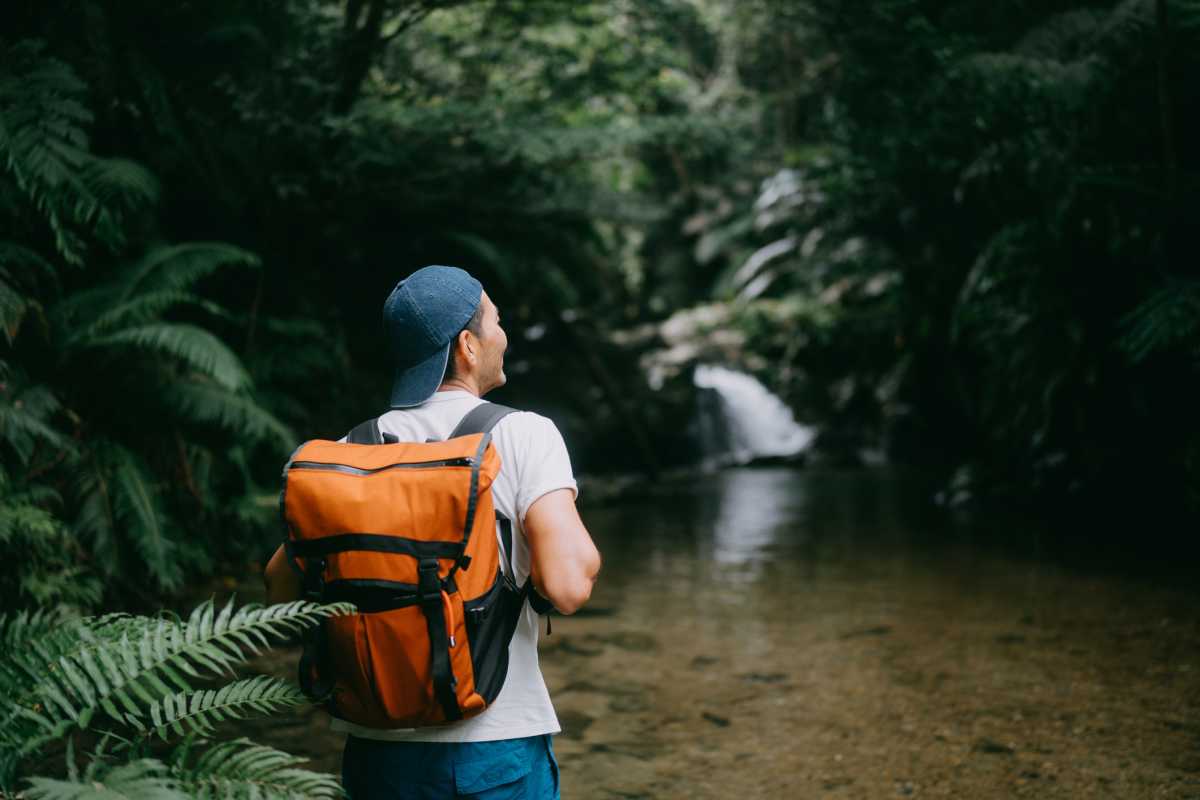
While descending a snowy section of the trail, Crago noticed a grizzly cub nearby. As he looked around, he spotted another bear only about 15 feet away. What followed happened in seconds. Before he could reach for his bear spray, the animal charged. So, acting purely on instinct, Crago threw his arm above his head. The bear bit down on the raised arm and dragged him down the slope before eventually running off. Then he glanced at his arm and realized his hand was just "dangling" there. Looking back, Crago believes that reflexive movement may have saved his life. Had his arm remained lower, he fears the bear could have clamped onto his head or neck instead.
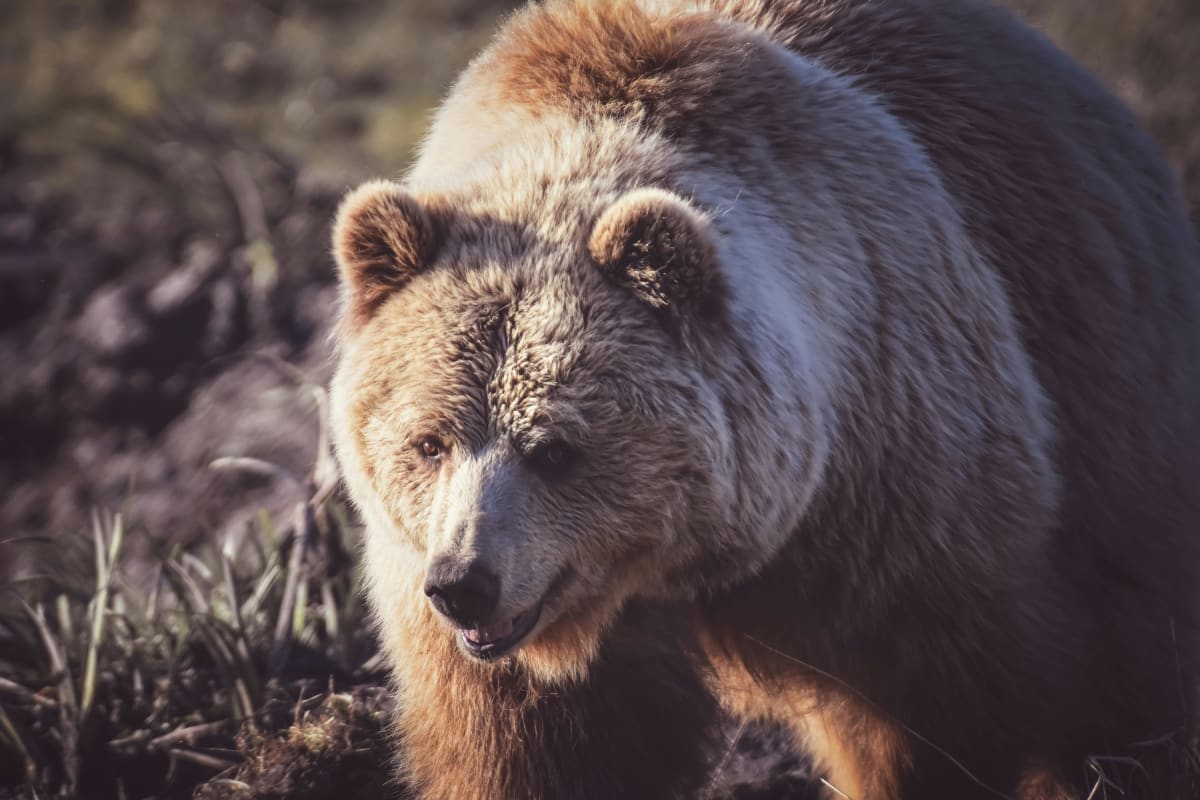
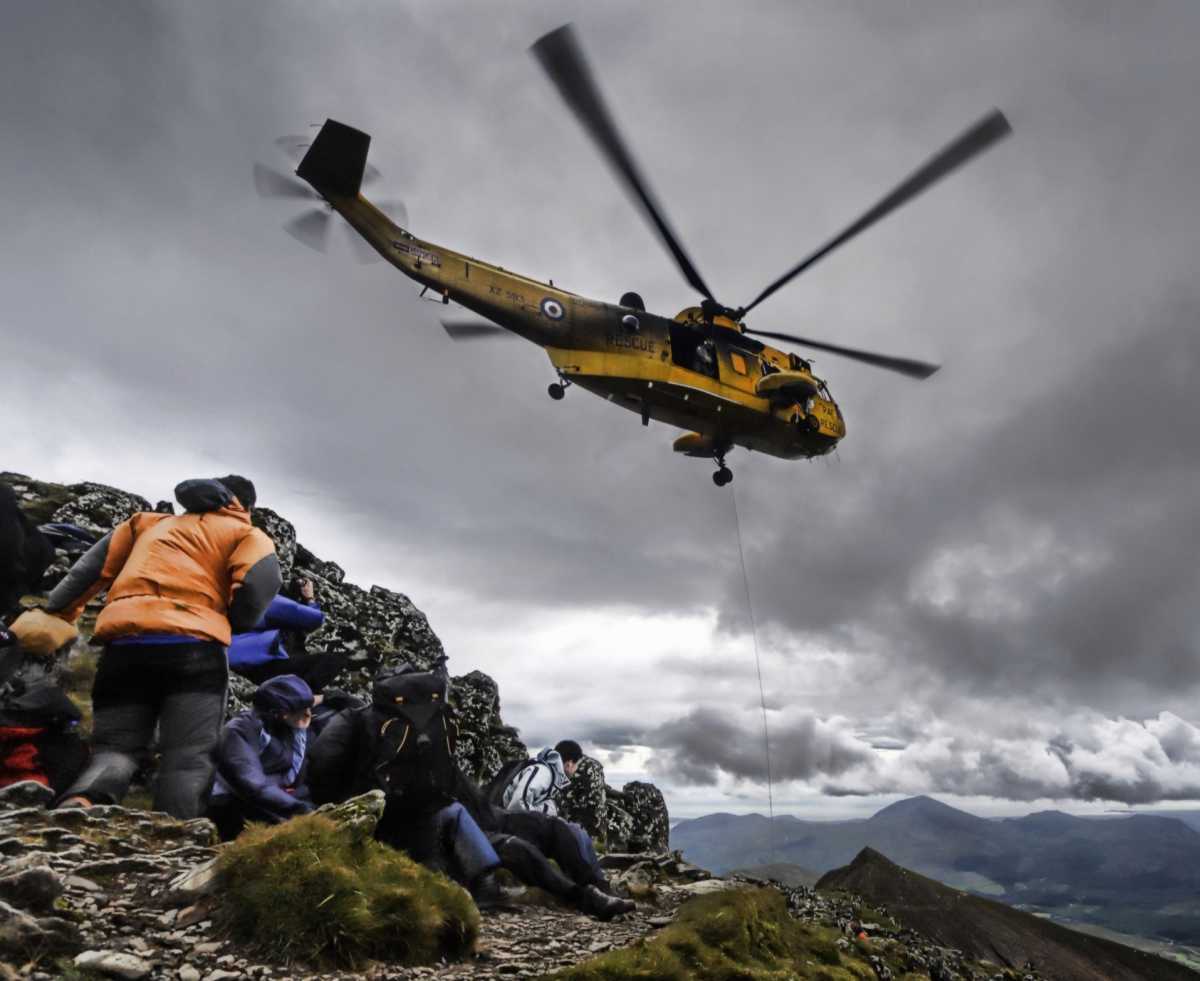
Park officials later suggested that loud rushing meltwater may have prevented both Crago and the bears from hearing each other sooner. The aftermath of the attack underscored just how fortunate Crago was to have help nearby. Fellow hikers rushed to assist him, including a pediatric emergency room doctor who applied a tourniquet and helped keep him calm while they waited for rescue. One hiker kept making noise to deter the bears, while another used a satellite device to contact EMS and request a helicopter. He was airlifted to the nearest hospital, where doctors and surgeons worked to stabilize him and begin treatment.
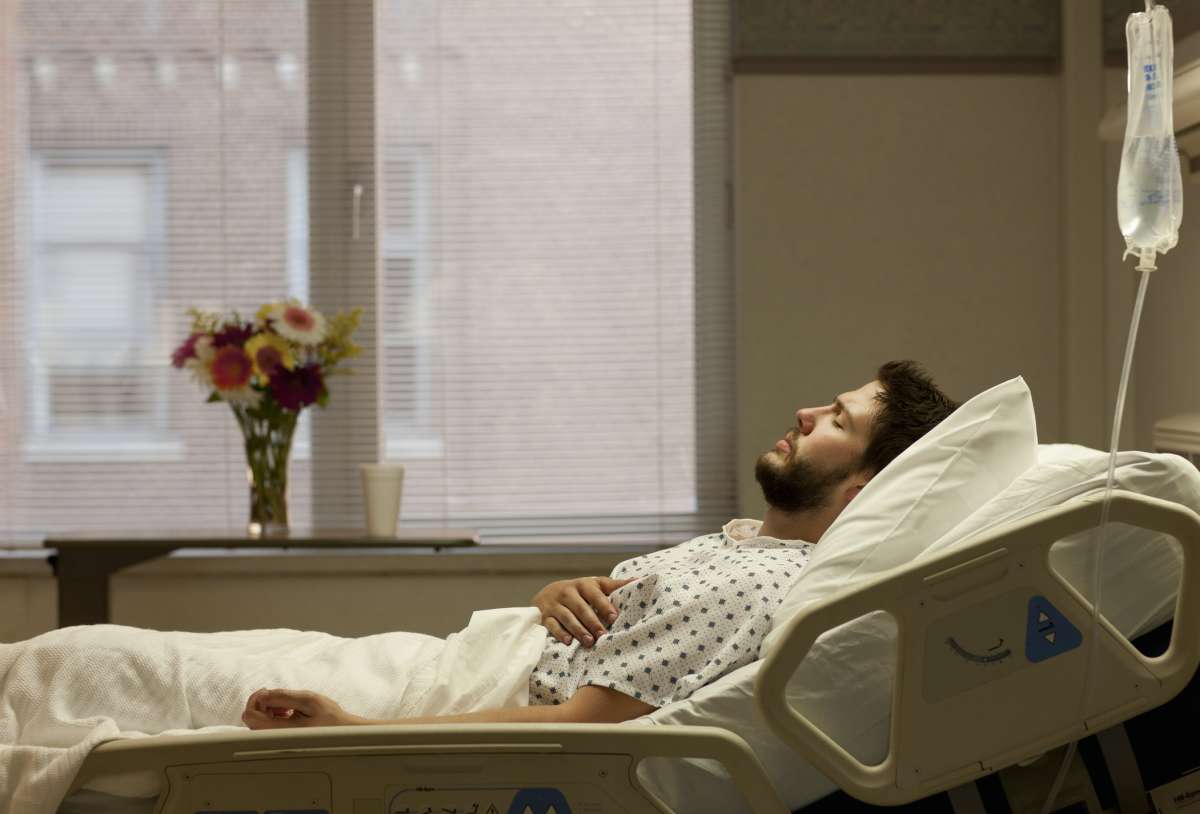
The incident occurred only weeks after Glacier National Park recorded its first fatal bear attack in decades, making the outcome all the more remarkable. Crago suffered severe injuries and required extensive surgery, including a bone graft using donor tissue. Even so, he is now recovering at home and remains deeply grateful. A GoFundMe page has been launched to help Crago with his medical expenses.
Crago's split-second reaction may have played a larger role in his survival than he realizes. According to the National Park Service, hikers who encounter a grizzly at close range are advised to slowly wave their arms above their head and speak calmly to the bear, while avoiding sudden movements or noises that could be interpreted as prey behavior. In Crago's case, there was little time to react before the bear charged.
Research published in The Journal of Wildlife Management found that bears acted as predators in 88% of fatal incidents studied, with adult or subadult male bears involved in 92% of those attacks. Life often feels predictable until a single moment proves otherwise. Stories like this are a reminder that while we cannot control every challenge that comes our way, courage, quick thinking, and the kindness of others can sometimes make all the difference.
More on Amplify
Hiker went missing and cops had no leads—until one man's 'very weird hobby' cracked the case