Neighbor called his wife’s disability a ‘problem’ after he parked close to help her into a wheelchair — her comeback was perfect


We tend to assume that empathy is a natural response when someone encounters a person with a disability. Even if a disagreement starts on the wrong foot, most people expect that, once additional context emerges, understanding will follow. John E. J. Reynolds, who goes by @johnejreynolds on TikTok, shared his experience on April 29, 2026, which turned almost hilarious at one point. One particularly angry woman started arguing about John parking his car too close to the grass verge. He expected that upon seeing his paraplegic wife in a wheelchair, she would understand and back down, but that is not exactly how it panned out.
@johnejreynolds Apparently my wife’s disability is “a problem” #funny #story #husband #wife #wheelchair ♬ original sound - John E J Reynolds
After helping his wife out of the car and into her wheelchair, the creator assumed the argument would finally come to an end. He thought the neighbor would realize there was a legitimate reason they had parked close to their friend's house. Instead, to his disbelief, she simply referred to a woman in a wheelchair as a "problem" and maintained that her disability still did not justify parking close to the grass verge. John's wife calmly pointed out that they were not blocking anyone and had not damaged the grass before delivering a comeback that instantly put things into perspective: "I got over becoming paralyzed at the age of 12. I'm sure you'll get over this."
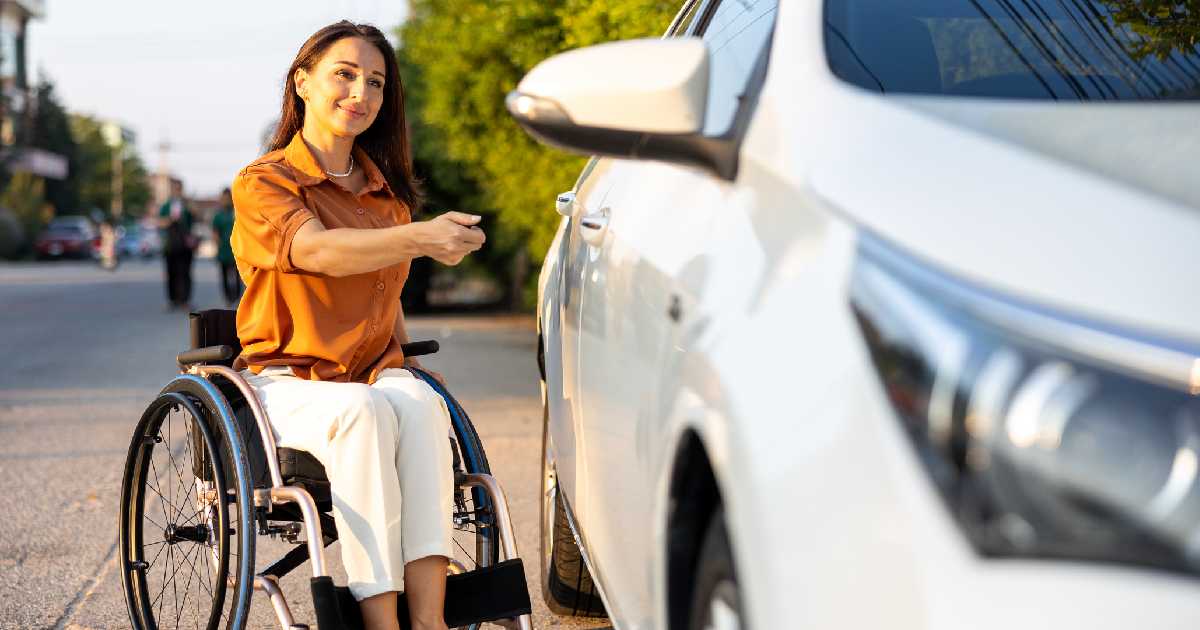
The entire situation was bizarre from the very beginning. For starters, the grass verge at the center of the argument was not even the neighbor's property. When the creator pointed that out, she reportedly explained that it belonged to the council but still considered it "hers" because she took care of it. Fair enough, perhaps, until one remembers one crucial detail: the car was not parked on the grass verge. It was parked next to it. At that point, many people would probably start asking the same question. Was this really about protecting a small patch of grass, or had she simply been looking for something, anything, to complain about? This seemed especially likely when she doubled down and also took issue with the disability.
This is far from an isolated experience. In fact, research from Cornell University suggests that disabled people frequently encounter skepticism and negative attitudes toward the accommodations they receive, despite those accommodations being intended to provide equal access rather than special advantages. According to another study by disability charity Scope, 72% of disabled people reported experiencing negative attitudes or behavior within the previous five years.
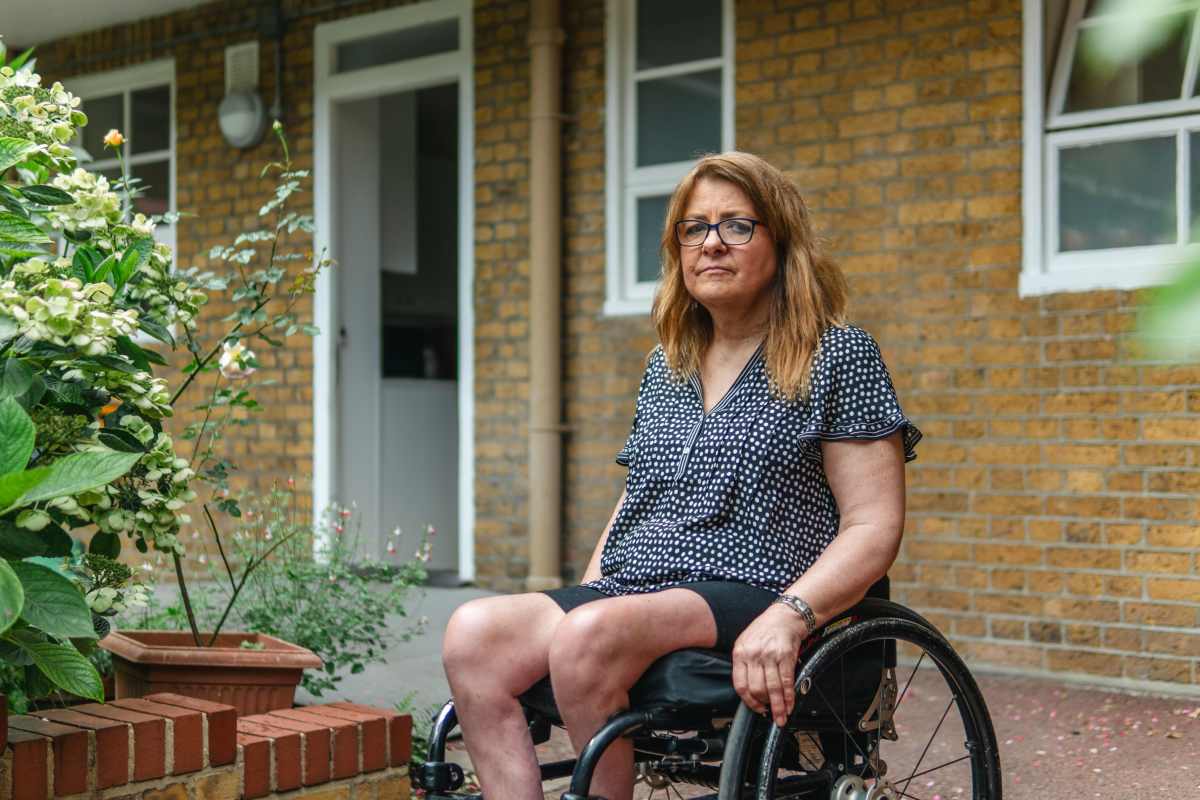
The comment section was in utter awe of the creator's wife, Jade, especially because of how quickly she came up with that once-in-a-lifetime comeback. @knee-collage said, "She’s the master of wit! I need her around, I always think of my comebacks later on!" Meanwhile, @rachelantfisch remarked, "I see why you love her, I love her, and I don’t know her." @ltshinee mentioned, "I really want to snap back at a rude person, but it hasn't happened yet. Just a whole lot of people offering me help, which is nice but exhausting."

While the woman was being unreasonable, the reason people cheered Jade showed one thing. Disability is a reality that millions of people navigate every day, and many do not want to be viewed solely through the lens of sympathy. Sometimes, they simply want the freedom to push back when someone is being rude, just like anyone else would.
More on Amplify
Mom of terminally ill son has fitting response to abusive note on car for parking in disabled spot