Resident doctor got an email telling her to stop pumping breast milk at work — her response led to a new hospital policy


Returning to work after having a baby can bring new challenges for mothers who want to continue breastfeeding. For a certified OB/GYN completing her residency at the time, the difficulty began just six weeks after welcoming her daughter, Penny. Dr. Franziska Haydanek had returned to her obstetrics and gynecology residency, where long shifts and unpredictable schedules made it hard to find regular breaks. She used wireless breast pumps so she could express milk while working. However, an email from management soon made her feel that even this adjustment was not acceptable. She shared the details of the incident in an Instagram video posted on November 9, 2026, under the handle @pagingdrfran, talking about how her firm stance changed the outcome.
The email told Haydanek to stop pumping breast milk in a patient care area, citing concerns about possible exposure and the need to keep such areas safe. She said she was mortified by the email, especially because she was trying to manage her responsibilities as a doctor while providing breast milk for her newborn. The suggestion that breast milk could be treated as a biohazard also raised questions for her. Rather than accepting the instruction, she decided to challenge it. She took the issue to her program director and explained why pumping was necessary and why the workplace needed a practical way to support breastfeeding employees. This eventually led to the creation of a new workplace policy.
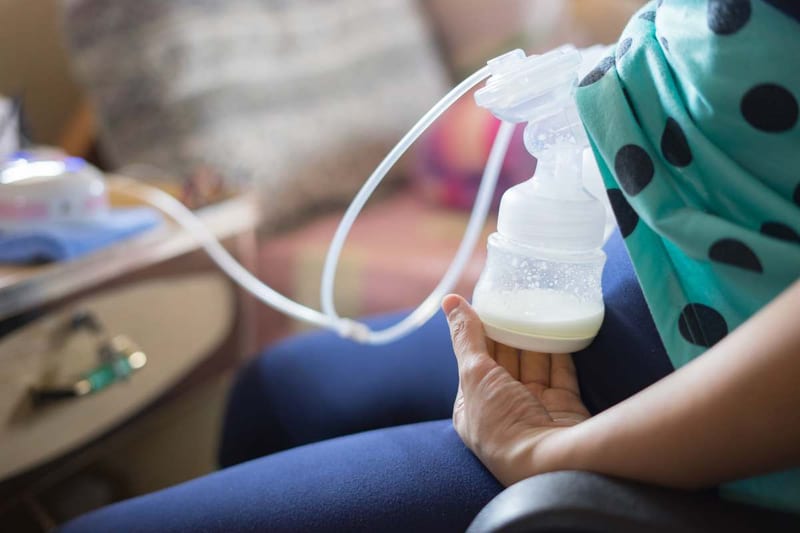
Her experience pointed to a problem that can affect mothers in many jobs: returning to work does not mean their need to express milk disappears. A 2023 study involving 953 employed mothers found that those who reported high levels of workplace breastfeeding support were 178% more likely to continue breastfeeding than those who reported low support. This finding highlights how much a supportive work environment can influence a mother's decision to continue feeding her baby. Haydanek also explained that she had no fixed breaks during her residency, saying, "There's no lunch hours. There's no assigned breaks." This made it difficult to find time to pump while keeping up with her responsibilities.

It is also important to understand why workplace policies need to be practical rather than simply existing on paper. Mothers may be aware of the benefits of breastfeeding but still struggle when their work schedules do not allow them enough time to express milk. Haydanek felt "very vulnerable as a new mother who was away from my baby a lot." She also pointed out that pumping was a personal way of staying connected to Penny while working long hours.

Haydanek's decision to speak up led to a discussion with her program director and helped bring about a new policy for lactating employees who needed to pump at work. She continued breastfeeding Penny until she was around 18 months old. Her experience showed why workplaces need more than informal permission: mothers need a private place, enough time, and clear rules that do not leave them worried about being reprimanded. For Haydanek, raising the issue was about making the situation easier for herself and for others who might face the same challenge. As she put it, "Don't mess with a breastfeeding mom."
For more interesting stories, follow @pagingdrfran on Instagram.