Seeing his wife suddenly ‘lifeless’ in the passenger seat, man remembered a scene from TV — and did exactly what he’d seen


The most ordinary moments can suddenly turn into a race against time, with instinct becoming the only guide. That’s what happened with a man named Paul Cutler, when he had to fight for his wife’s life on the side of a busy highway. When Cutler’s wife, Suzanne, suddenly collapsed in the passenger seat of their car, the 64-year-old relied on a technique he had only ever seen on television. But this one decision proved to be right and ultimately saved her life. As reported by Key Biscayne Portal on Tuesday, January 27, 2026, the incident occurred when the couple and their daughter were driving home to Kent from the Wirral; Cutler noticed something was wrong. Suzanne appeared unresponsive and lifeless beside him.
Cutler explained, “We were driving along merrily, and I suddenly looked, and I just saw Suzanne basically lifeless.” The retired salesman panicked, but made an emergency stop on the hard shoulder of the M56 near Manchester. “I literally manhandled her, launched her out of the chair, and dragged her onto the grass verge,” Cutler shared. Cutler began performing CPR, despite never having received formal resuscitation training, relying only on what he had seen on television. When his daughter started shaking her mother, the woman’s head flopped down, and her lips turned blue.
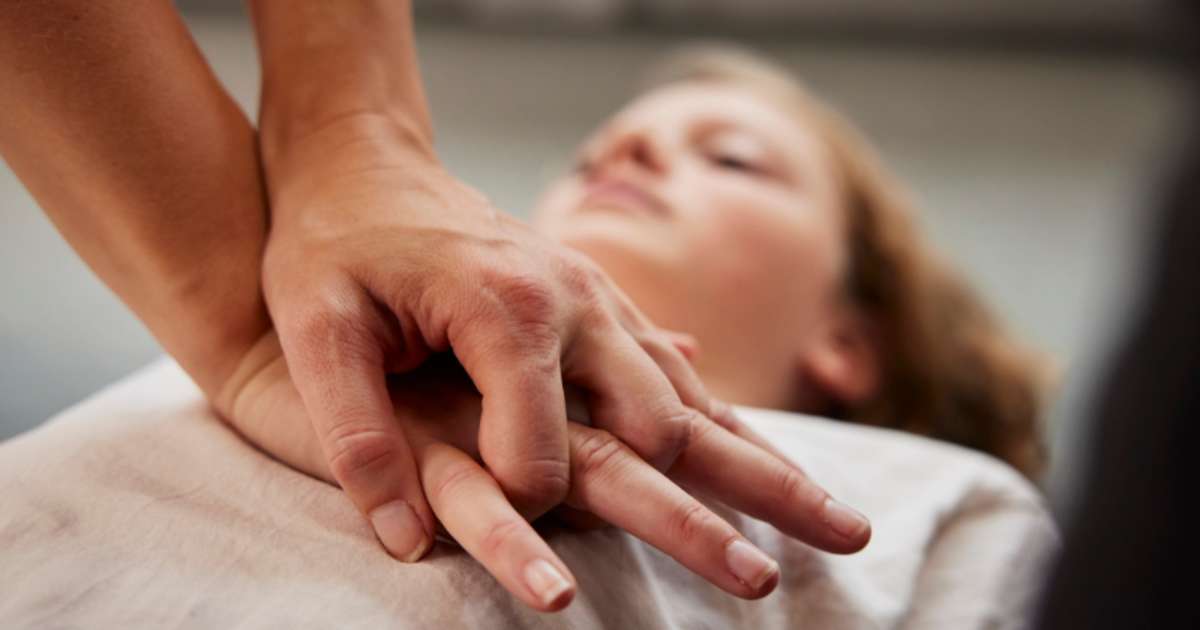
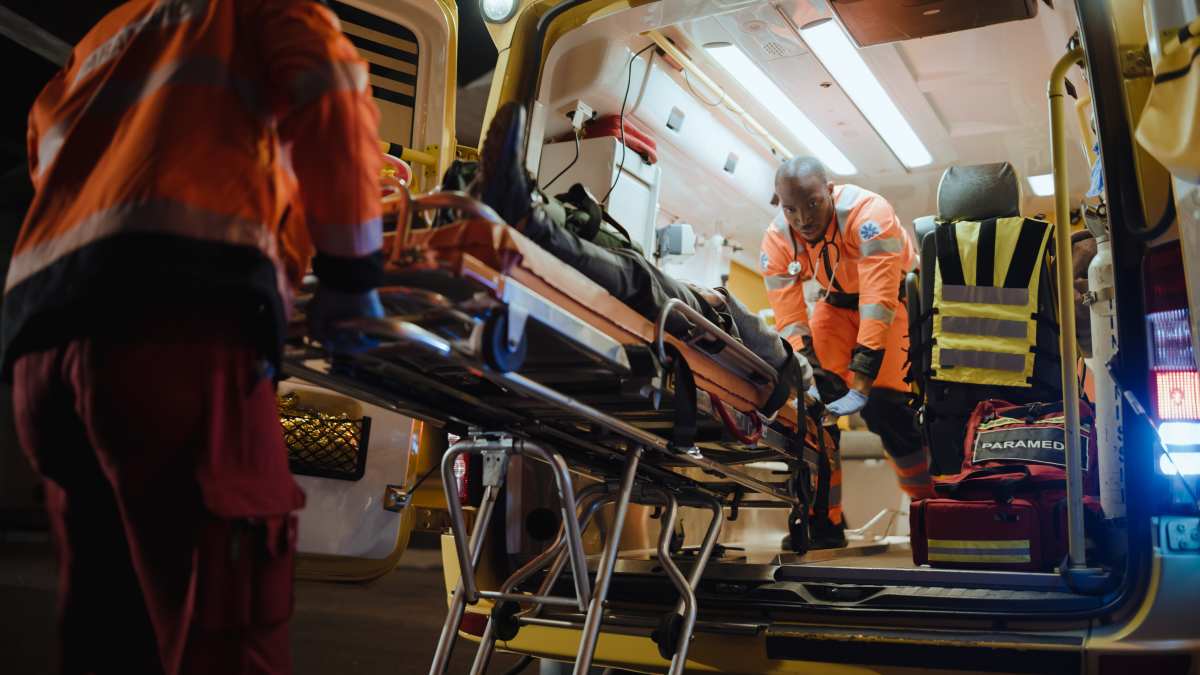
Paul continued CPR for around five minutes as cars and trucks thundered past. He described the moment as one of complete isolation and desperation. An air ambulance eventually located the family, thanks to Suzanne’s bright orange dress, which stood out and guided passers-by to them. Paramedics used a defibrillator three times before successfully restoring her pulse and rushing her to Wythenshawe Hospital on November 24, 2026.
“We thought we had lost her. She was clinically dead for five minutes. When I heard them say they had a pulse, I was over the moon.” Doctors later told Paul that his CPR efforts kept oxygen flowing to Suzanne’s brain and vital organs, preventing fatal damage. “The CPR was what kept the oxygen pumping to her brain and organs. I am not saying that I am super clever, but we would just like other people to find out about this,” Cutler shared.
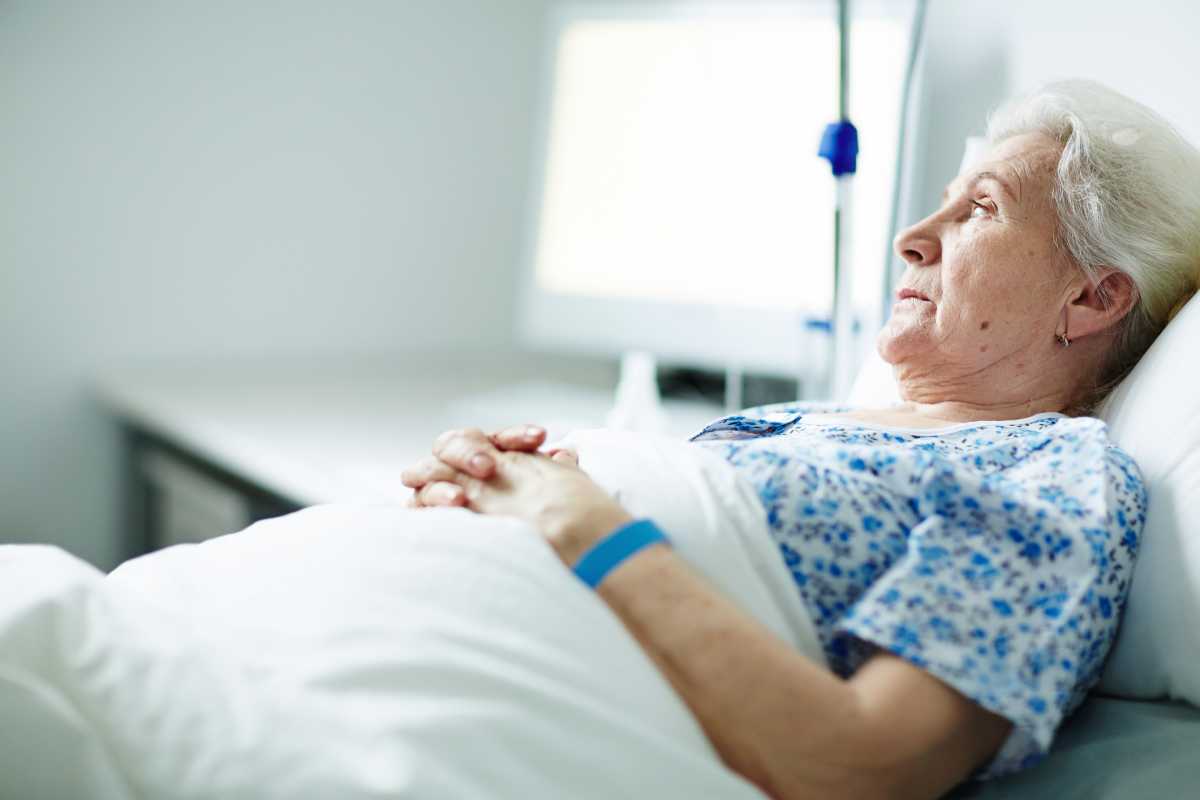
Suzanne, a mother of four who works at a chartered accounting firm, had previously been diagnosed with breast cancer in 2020 and underwent a mastectomy. Some of her treatment had damaged her heart, though Cutler said she had been healthy and living normally before suffering the sudden cardiac arrest. She was placed in an induced coma amid fears of brain damage, but recovered well. Suzanne spent 25 days in the hospital before being discharged a week before Christmas. She has since been fitted with an implantable cardioverter defibrillator to monitor her heart and deliver a shock if needed.
Cutler, a councillor at Dartford Borough Council and former mayor of Dartford, stayed nearby throughout her hospital stay. The couple has been together for 33 years. “We were very lucky. We would have been devastated if we had lost my wife; we are a very close family.” The father-of-four and grandfather-of-two urged others to learn basic CPR skills, and added that even watching short tutorials could help save lives. “We want to try and put the awareness out there because everyone I talk to doesn’t seem to know what to do and how quickly you have to do it before somebody is dead.”

According to the National Library of Medicine, multiple studies show that bystander CPR significantly increases survival after cardiac arrest by maintaining blood flow to the brain and vital organs until advanced medical care arrives. The research also suggests that people who receive immediate CPR are several times more likely to survive than those who do not, as early chest compressions reduce brain injury, improve the chances of successful defibrillation, and increase overall neurological recovery.