Wife panicked when her husband collapsed and turned blue. Her neighbor, a nurse of 16 years, did the unthinkable


Evenings at home are all about smiles, calm, tasks, or small conversations, the kind of moments that make you feel at peace. That’s exactly how a Huntsville resident, Diann Hunt, was at it, moving through a normal evening with her husband, Robert, until his condition deteriorated. What began as a normal complaint of discomfort turned into a terrifying situation.

That evening, Robert mentioned he wasn’t feeling okay, as reported by WAFF 48 News on Thursday, December 4, 2025. She went near him only to find something far more serious than discomfort. “When I came in, he put his head back up. I told him to put his head up. And when he did, his lips were purple,” she said. There was not much time to settle in because something had to be done before the situation got out of hand. Diann called for her son to be with Robert while she dialled 911. Before the dispatcher could offer more than a few instructions, Robert was already on the floor and unresponsive. The operator urged her to stay with her husband until the ambulance arrived, but Diann knew she needed to do something. So she ran next door.

Her neighbor, Kathy Hudson, a nurse at Huntsville Hospital, knew something was wrong when she saw tense Diann at her door, visibly distressed. With 16 years of experience and training, she was ready to help. Hudson reached the living room. Hudson later recalled that Robert wasn’t breathing and she was unable to feel a pulse. That was when instinct and experience converged, “I was like, this is what we have to do. And we’re going to do it,” Hudson said. She immediately began Cardiopulmonary Resuscitation (CPR), and then, a small change happened, a sign she describes as relief.
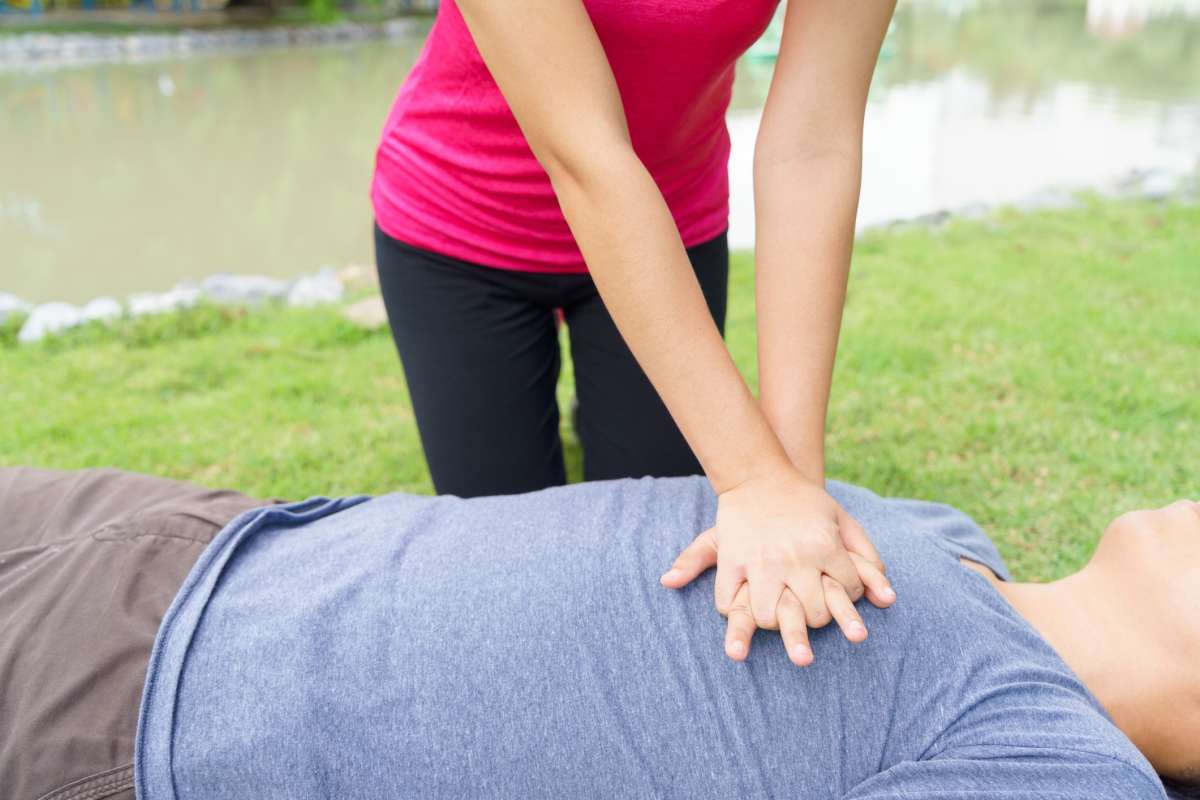
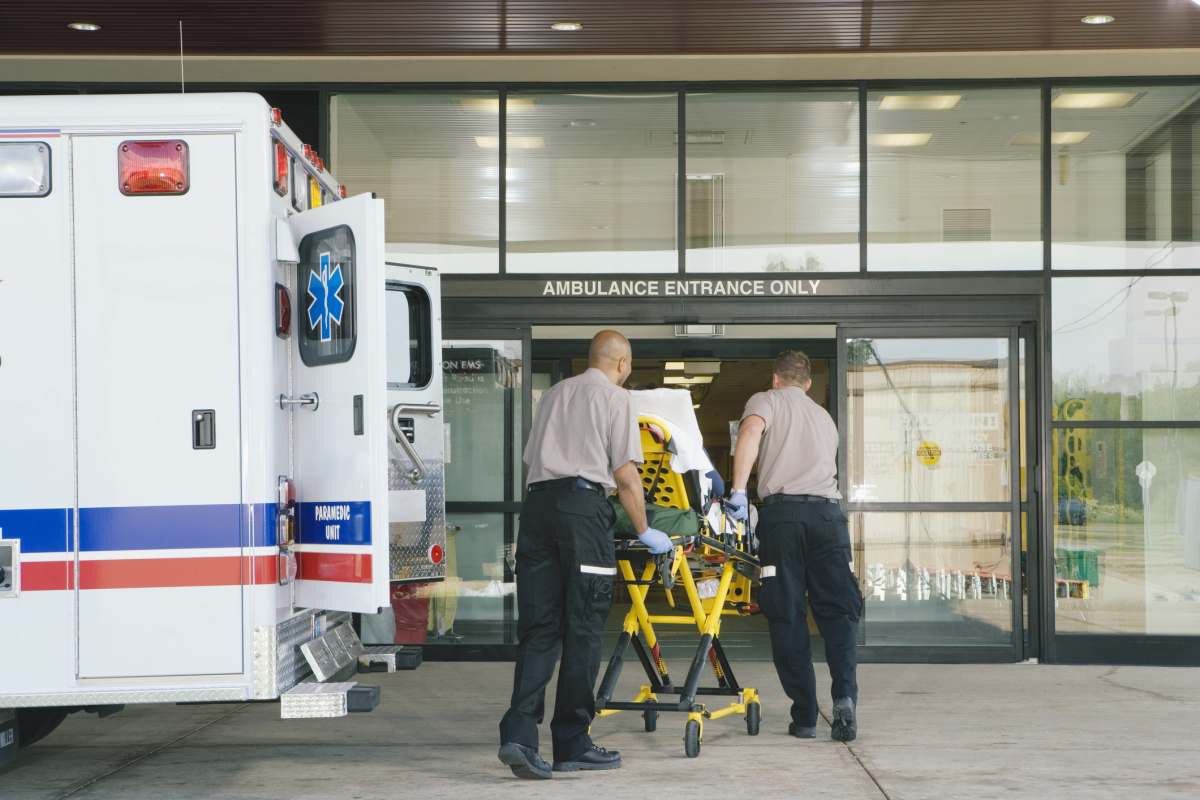
“And all of a sudden, he started moving a little bit. And I felt a pulse, and he was starting to breathe on his own.” Within minutes, the ambulance arrived and took over Robert’s care. He was transported to the hospital, alive, something Diann does not take for granted. “She saved his life. I’m so thankful for her. And he’s on his way to recovery, and that’s the best thing,” she said.
Hudson’s quick response highlights what research has emphasized for years: immediate CPR dramatically increases the chance of survival during cardiac arrest. According to findings published in the National Library of Medicine, cardiopulmonary resuscitation is a life-saving way that is used during cardiac arrest to maintain blood flow and deliver oxygen to the main organs until normal circulation returns. The method, shaped by pioneering clinicians in the 1950s, has evolved into the widely adopted procedure relied on around the world today.
Alertness and quick thinking become strikingly real in moments like this. A neighbor becomes a lifeline, and a familiar street becomes the setting of a rescue that might never have happened without someone willing to act.
More on Amplify
This article originally appeared 2 months ago.