Woman rescued drowning bat on vacation and used Google Lens just to identify it — then it asked her one question that sent her running to the hospital


Helping an injured animal may seem harmless, but it can also come with hidden health risks. A woman named Laura Horton experienced this while celebrating her birthday in Greece. As reported by PEOPLE, the 53-year-old personal trainer from Liverpool traveled to Lesbos for a two-week vacation in May 2026. After rescuing a drowning bat and later using Google Lens to identify the animal, she received an unexpected prompt that completely changed how she viewed the encounter.

Horton spotted the bat struggling in the swimming pool at the apartment complex where she was staying and quickly lifted it out of the water. The animal rested on her hand for around 10 minutes before flying away. Curious about its species, she later uploaded a photo to Google Lens. The AI tool asked whether she had handled the bat and cleaned her hands after touching it, making her realize the situation could be more serious than she first believed. After checking her hand more closely, she noticed two tiny bite marks she had not seen earlier and immediately contacted a healthcare provider. Medical staff advised Horton to begin rabies post-exposure treatment as soon as possible to reduce the risk of infection.
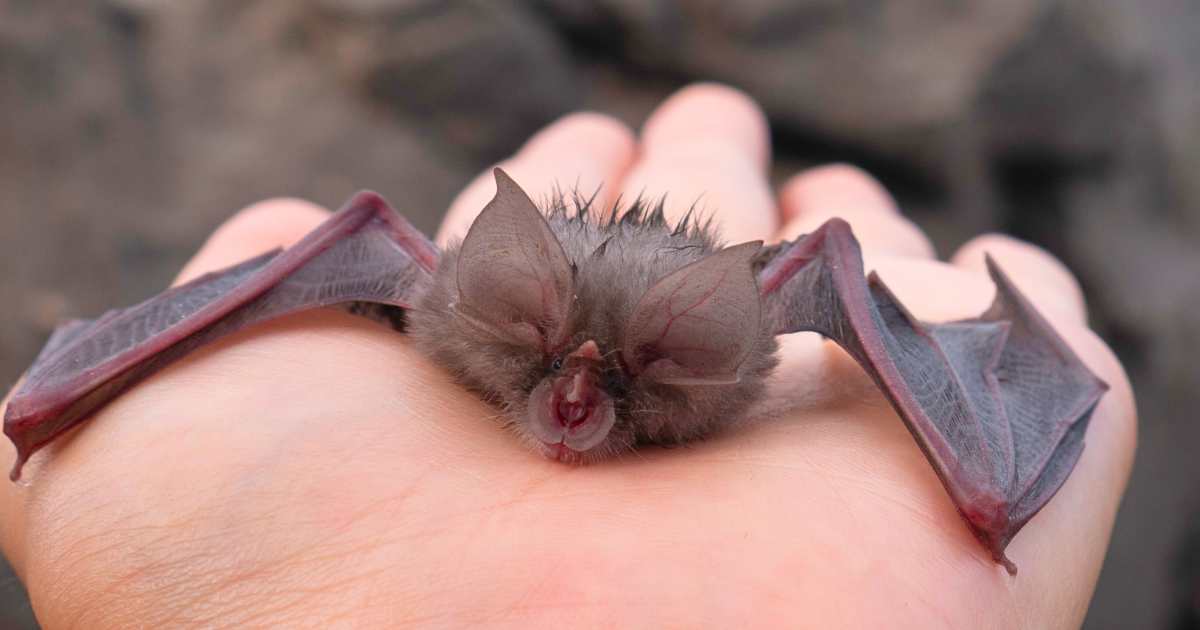
She headed to a nearby hospital, but getting the right care proved difficult because of language barriers and confusion about her condition. She was first offered antibiotics before eventually finding the hospital's infectious diseases department, where specialists understood the urgency and started the correct treatment. Still in Greece, she received several vaccine doses before returning home to complete the remaining course with her own doctor. Horton's instinct to help another living creature ultimately led to a health scare.

Looking back, Horton believes the image search tool played an important role in helping her recognize the hidden danger before it was too late. Without those unexpected safety prompts, she may never have checked her hand or sought medical advice. She later spent time learning more about rabies and discovered that many people are unaware that even tiny bat bites can spread the virus. Horton decided to share her experience to encourage others to be careful around wild animals, even when trying to help them. She hopes her story reminds people that good intentions should always be matched with proper safety measures.

Technology, when used correctly, can help people make better decisions. In another incident, a man turned to an AI tool after doctors could not determine the cause of his severe stomach pain. The chatbot noticed warning signs linked to appendicitis and advised him to seek further medical help. He returned to the hospital and requested more tests, saying, “This is what I’m experiencing; this is why I think it’s serious; I want a CT.”
The scan then confirmed his appendix was severely inflamed and was about to rupture. He underwent surgery to remove it and later shared that “I’m alive and healed because an AI recognized the pattern when the first exam missed it.” The experience showed how seeking extra guidance can sometimes help identify problems that might otherwise go unnoticed.
More on Amplify
4-yr-old gets bitten by wild otter and rushed to ER—doctor's google search leaves mom stunned