Woman who received her late son’s heart called saying she couldn’t afford the medication — the mother’s response broke her


No parent ever fully recovers from the pain of losing their child. But what if you knew that a part of your child was still alive? For Mary Cutter, 65, that is both her comfort and her heartbreak. In 2012, Cutter lost her only son, Christian. Thirteen years later, Christian’s heart continues to beat inside a 25-year-old Ohio woman, Payton Herres. Her life was saved after Cutter decided to donate her son’s organs, reported The Independent on December 4, 2025. However, the same heart is under threat, not from any illness or disease, but because the expensive life-saving anti-rejection medication that Herres needs has become unaffordable due to changes in her health insurance coverage.
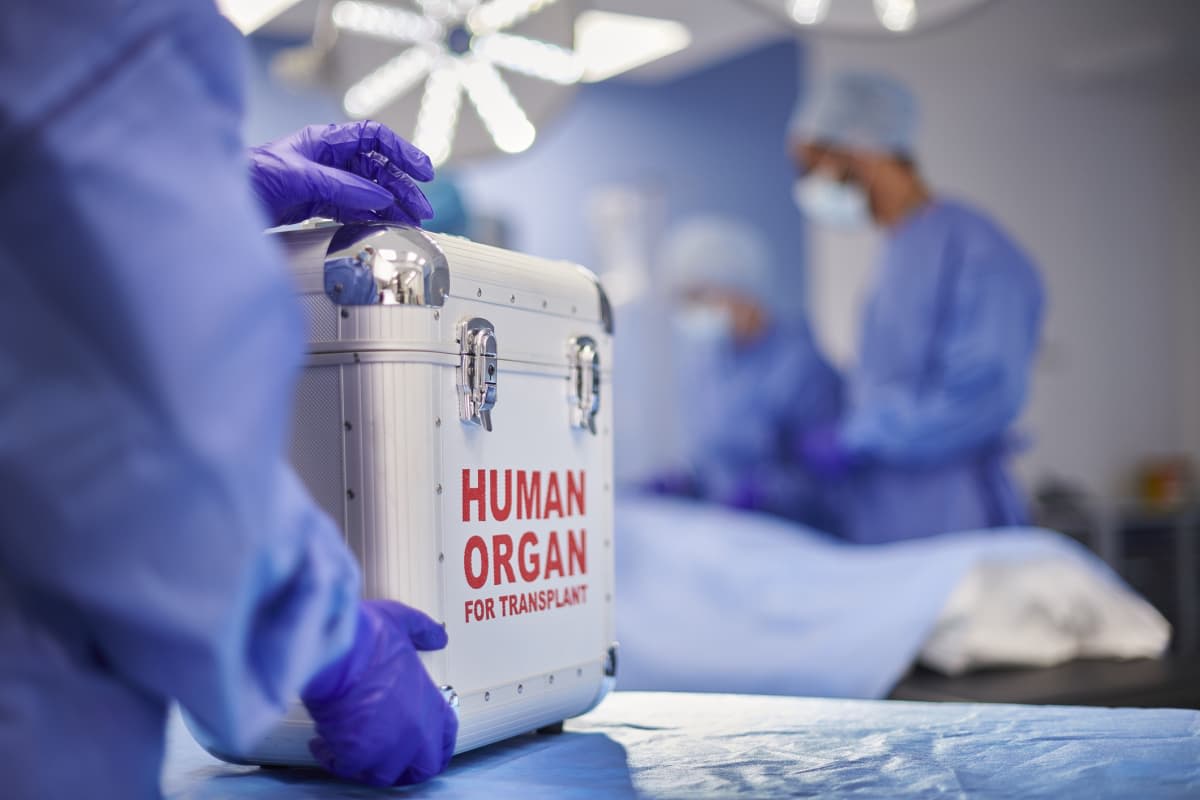
When Herres was diagnosed with a rare congenital condition called Ebstein’s anomaly, doctors had warned she might not live to see her 12th birthday. But the transplant when she was 11 changed everything. It was the “ultimate gift” for Herres. A few years later, Herres sent a blue teddy sprinkled with stars, and inside the toy was a recording of Christian’s heartbeat. Both Cutter and Herres are now fighting to make sure that Christian’s heart continues to beat. This is the first time Cutter and Herres have met. After Christian’s death, Cutter, who lives in Cincinnati, also lost her husband and her brother. “I'm the only one left. But you know, Payton’s there with Christian,” she said. Christian was part of the Reserve Officers’ Training Corps at the University of Cincinnati before his life was unexpectedly cut short.
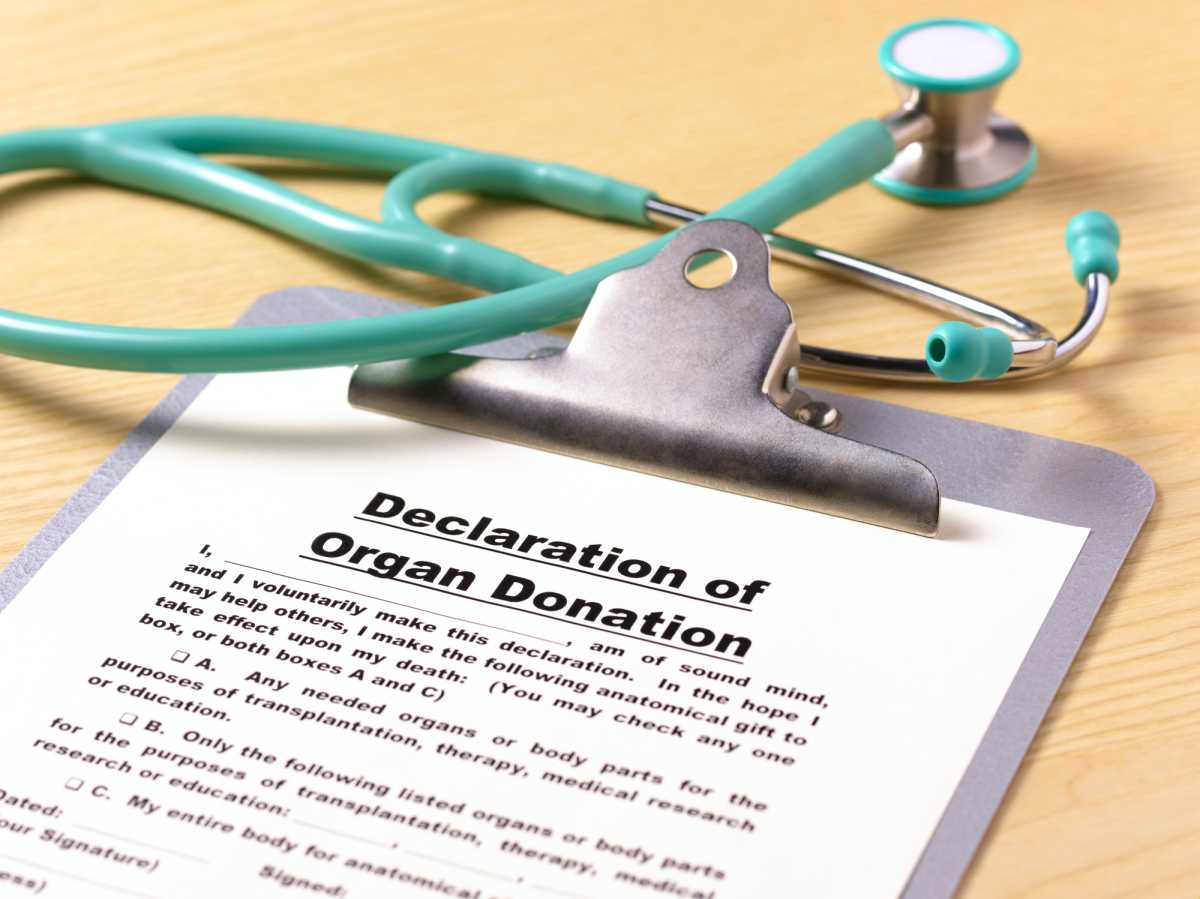
When Christian was in the hospital, Cutter learned that her son would not survive, and she made the agonizing decision to donate his organs. She broke down, “I thought if somebody else didn't have to lose their child, it was something that I could do. I was willing to do it.” The day after his death, Christian’s heart was transplanted into Herres. 
Post-transplant, Herres depended on a strict regimen of medications to prevent rejection. It took years to find the right combination. One drug in particular, everolimus, was prescribed alongside cyclosporine, which helped prevent rejection and reduced the risk of transplant-related coronary artery disease. However, this year, Herres’ insurer, Anthem Blue Cross Blue Shield, informed her that everolimus was “no longer medically necessary.” The drug is currently approved by the FDA for liver and kidney transplant patients, but not for heart transplant recipients, despite studies suggesting its benefits. Herres earns about $35,000 annually working in payroll at a faith-based nonprofit, and began campaigning for broader approval. She launched a petition urging the FDA and the drug’s manufacturer, Novartis, to examine the evidence. She said, “Heart transplant patients deserve the same level of access and protection afforded to other organ recipients.”

Following the public pressure, Anthem had to approve the medication again, but increased its cost. Herres’ copay jumped to $350 for a 30-day supply, or nearly $1,000 for a 90-day supply. She previously paid around $180 for a 90-day supply with help from her parents. The spokesperson of Anthem said that a cheaper option was available through the company’s mail-order pharmacy, but Herres said the details were unclear and the risk of delivery delays was too dangerous for a life-sustaining drug. “Nothing they’ve shared has solved the fact that my out-of-pocket cost went up so much that I had to look outside of my insurance to afford the medication,” Herres explained.

Herres found the only option is to bypass insurance entirely and use GoodRx coupons, which reduce the cost to about $234 for a 90-day supply. However, she found this unreliable. She said, “The scary part is that these coupons aren’t guaranteed. They can change [the price] or disappear at any time. If that happens, I could never afford those prices, and that terrifies me.” When Cutter got a call from Herres, explaining her situation, she offered to help her and even volunteered to pay for the medication herself and personally deliver it if needed.
Herres was overwhelmed by the offer. She admitted, “When I saw she wanted to pay, it just broke me. It was one of the most beautiful and most wrong things I've ever experienced.” Herres said she cannot accept Cutter’s money and knows she can never repay her. During their first phone call, Herres thanked Cutter again and again for saving her life. Cutter, however, responded, saying, “You don't need to thank me. I'm thankful that Christian's heart is beating in your chest.”