60-year-old turned to ChatGPT to cut salt from his diet — weeks later, paranoia and hallucinations sent him to the hospital


We have turned to AI for various requirements and queries, including health, education, travel, and other aspects. While the advanced technology is helpful, cautious use is even more crucial. Annals of Internal Medicine reported a clinical case of a 60-year-old man who ended up in the hospital after consulting ChatGPT about his diet. The story shared on August 5, 2025, revealed that the man wished to eliminate sodium chloride, or salt, from his diet after reading about its negative effects. The further recommendation he took without any medical advice came at a cost.

A few weeks after eliminating salt, he went to the ER, claiming that his neighbor was trying to poison him. After getting checked, his reports showed mostly normal levels. Only certain aspects, like his bicarbonate and hyperchloremia levels, were high, while his phosphate levels were low. The patient was admitted for monitoring and basic medication, where things took an unexpected turn. Within 24 hours, “he expressed increasing paranoia and auditory and visual hallucinations,” prompting him to try to escape the facility. He was kept in the involuntary psychiatric ward, and Poison Control looked into his allegations. It was discovered that the 60-year-old had bromism.

After experimenting with skipping salt for three months, the man asked the chatbot for alternatives and received a suggestion of sodium bromide. The report noted that the sodium bromide was likely recommended as a cleaning alternative, not for consumption. Without further research, he started consuming bromide, which increased his levels to a concerning 1700 mg. He even resorted to distilled water as part of his experiment. Fortunately, after 3 weeks of treatment, he was stable and discharged. According to ScienceAlert, the normal bromide level in the human body should be no more than 10 mg/L.
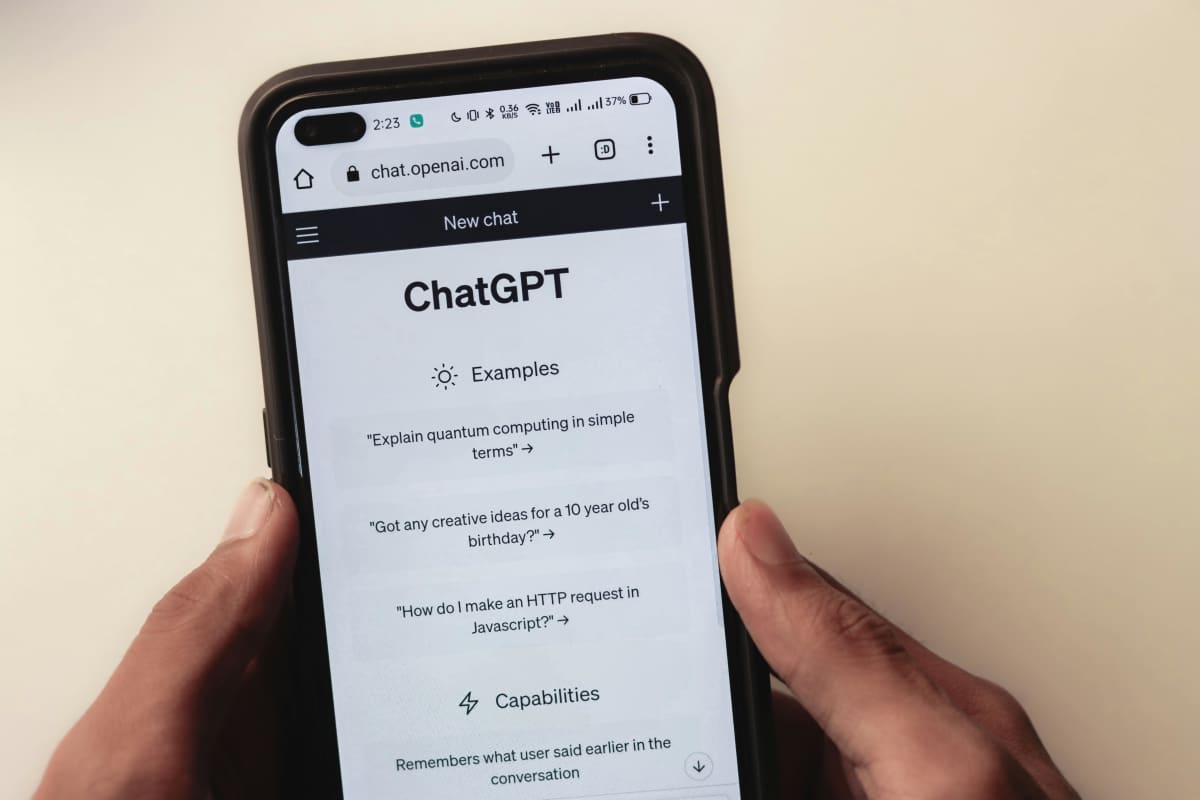
iCliniq reported that bromism is a condition in which excessive bromide becomes toxic, almost like poison to the body, resulting in several physical and mental effects. These include nausea, vomiting, memory loss, seizures, tremors, anorexia, and other symptoms. The 60-year-old also reported initial effects, such as acne, fatigue, insomnia, and other symptoms, further confirming that it was a case of bromism. The man was likely concerned about his health and wanted to do everything to preserve it.

According to Fox News, OpenAI, the San Francisco-based maker of ChatGPT, remarked, "Our terms say that ChatGPT is not intended for use in the treatment of any health condition, and is not a substitute for professional advice." Researchers noted that when asking ChatGPT for an alternative to sodium chloride, it only said that context matters and then suggested bromide.
It did not offer any health caveat. It prompted experts to share a public message — AI systems “can generate scientific inaccuracies, cannot critically discuss results, and ultimately fuel the spread of misinformation.” Consulting AI and using technology to learn more is not wrong. However, it is crucial to verify such information, especially when it concerns direct consumption, health, and other sensitive matters.
More on Amplify
Texas teen entered his sick dad’s symptoms into ChatGPT — the outcome shaped his entire career