63-year-old man collapsed and lost his pulse during a church service — what members did in the next 3 minutes changed the outcome completely


Most people do not walk into a place of worship expecting to face a life-or-death situation. Church is where people gather to pray and spend time with their community, not where they imagine their survival might depend on the actions of those around them. As published by Christian Chronicle on Tuesday, June 16, 2026, 64-year-old Keith Braud experienced a frightening reality on June 3. What began as a routine Bible class quickly turned into a medical crisis when he suffered a sudden cardiac arrest. Fortunately, the congregation was prepared, and the actions taken in the next few minutes became a powerful reminder of why emergency preparedness can make all the difference.

When Braud collapsed, there was no time to panic. Fortunately, several church members knew what to do. One person immediately called 911 while registered nurse Evan Johnson rushed to assess his condition. Church secretary Robin Large then quickly retrieved the automated external defibrillator (AED), and physical therapist Rachel Neill helped prepare the device for use. As the man's pulse disappeared, CPR was administered without hesitation. Meanwhile, about 20 members gathered nearby in prayer while giving the response team room to work. And within minutes, the AED delivered a shock and helped restore Braud's heartbeat before emergency crews arrived, turning what could have been a tragedy into a remarkable survival story.
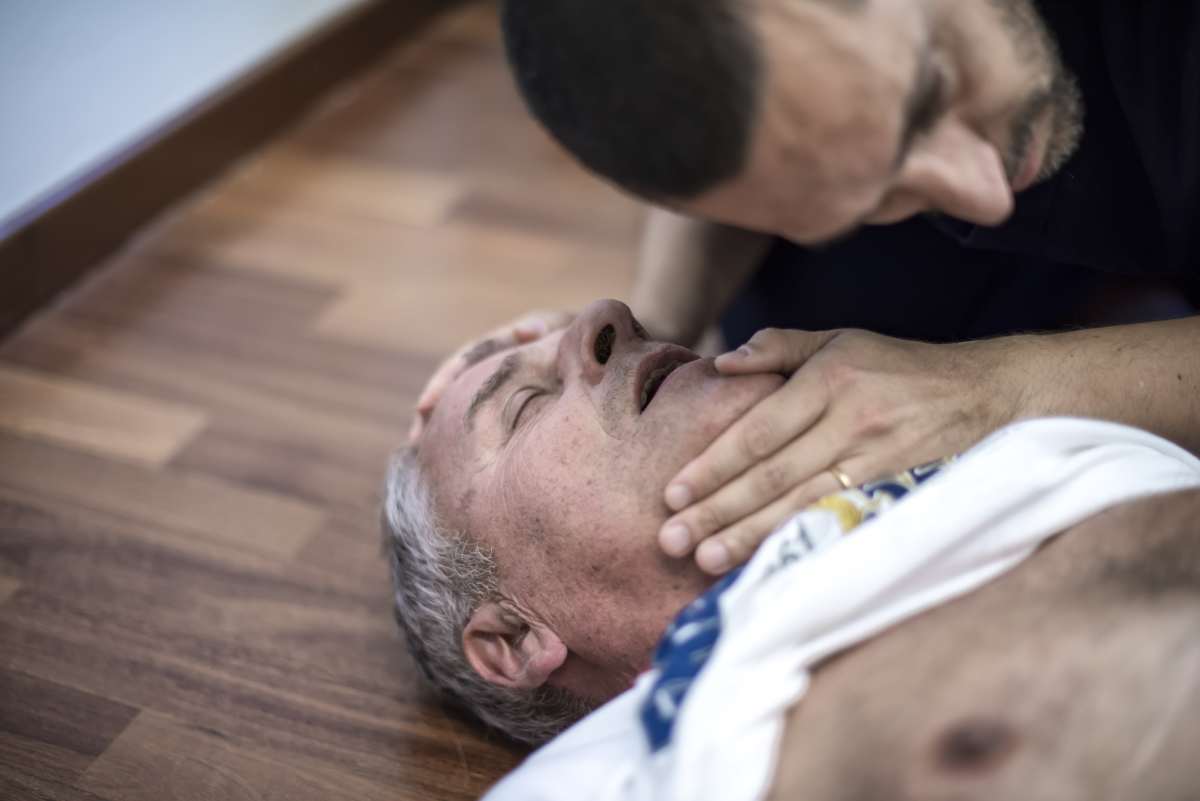
This entire scenario brought about another serious conversation. According to Mike Garron, recruitment and public relations specialist for Hamilton County EMS, many churches and organizations fail to prepare for medical crises because they assume such events are unlikely to happen. It is a common mindset. People often believe unprecedented events happen somewhere else, to someone else. Yet emergencies rarely come with a warning. In Braud's case, the outcome may have been very different had the congregation not invested in training and maintained an accessible AED. Tammie Crowder, one of the churchgoers and an emergency room nurse, noted, "Everybody just fell into place and did everything they were supposed to do."
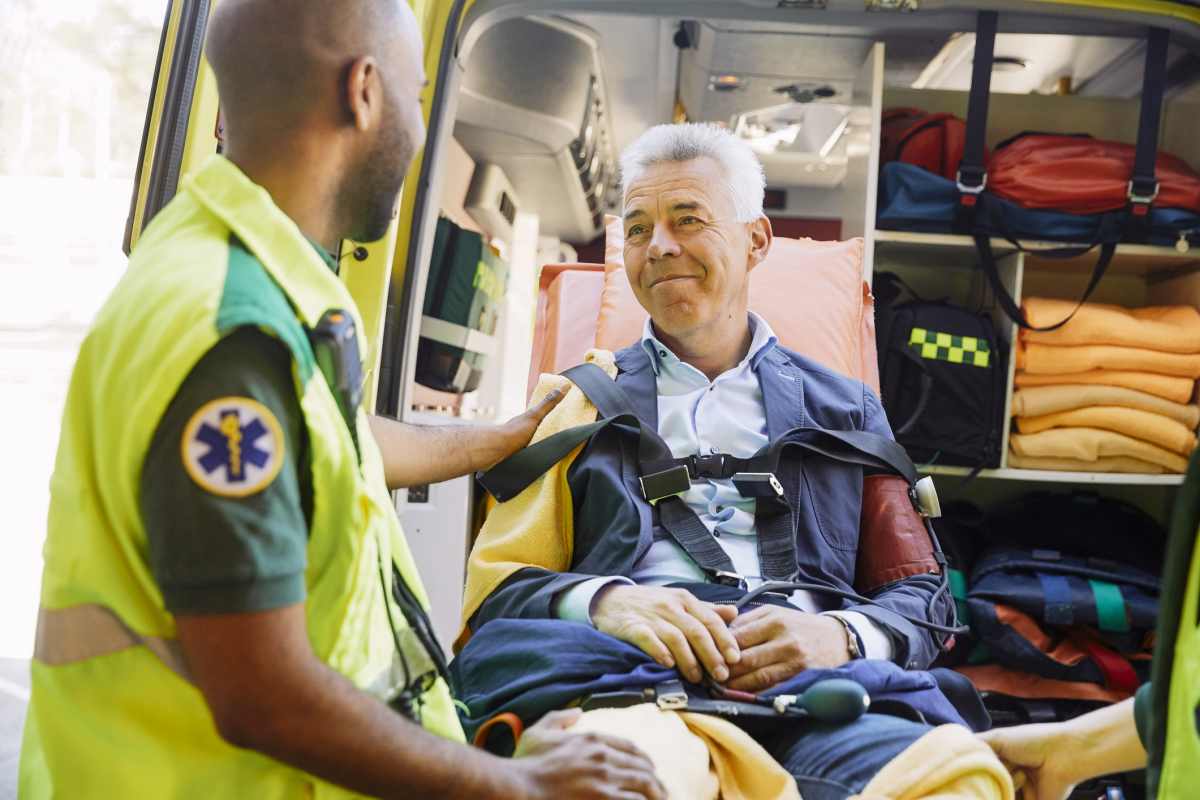
According to the American Heart Association, more than 350,000 out-of-hospital cardiac arrests occur each year in the United States. The CDC noted that 60% to 80% of victims die before reaching a hospital. Immediate action can make a life-saving difference. The organization pointed out that prompt CPR can double or even triple a person's chances of survival, but only about 40% of cardiac arrest victims receive bystander CPR before professional help arrives. Sometimes the difference between tragedy and survival is not luck, but whether ordinary people choose to prepare for an extraordinary moment. After all, the emergencies we think will never happen are often the ones that remind us why readiness matters most.