A routine screening led to a healthy 60-year-old losing one-third of his right lung — but the unexpected diagnosis gave him a second chance


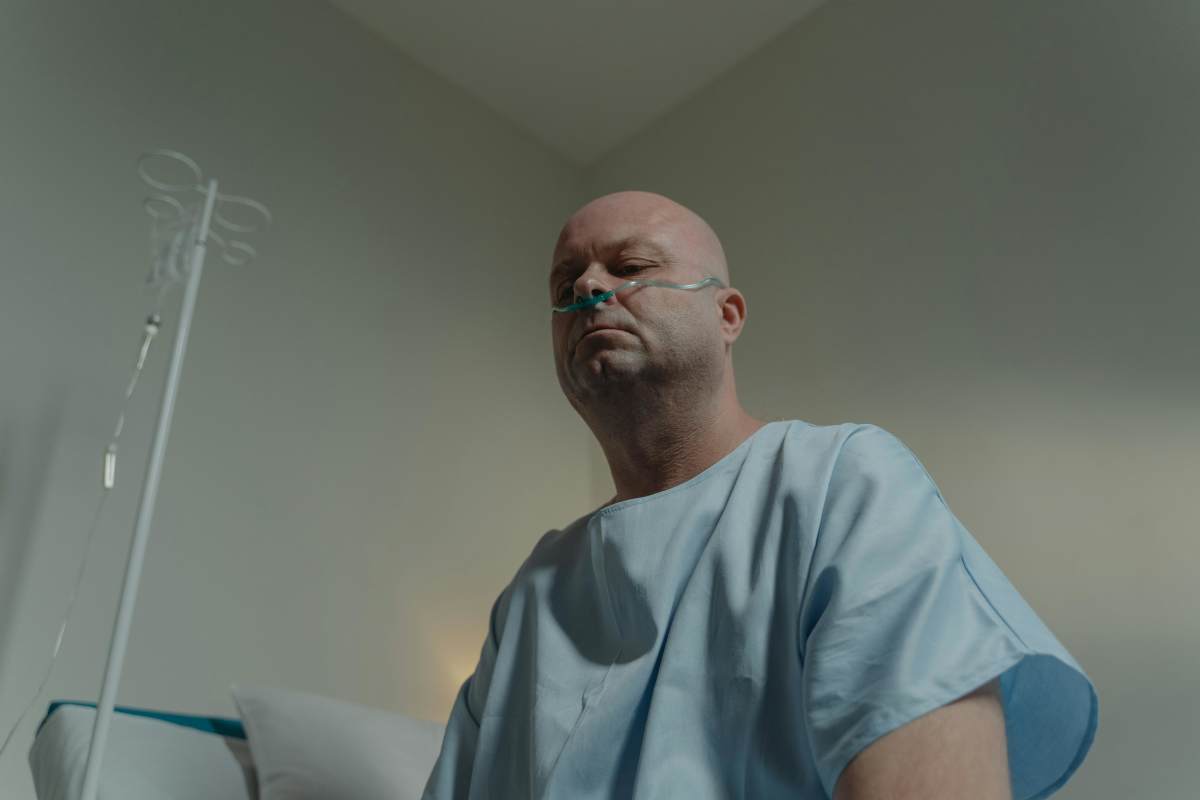
Sometimes, routine health check-ups turn into the most life-changing diagnoses, with no warning signs at all. In October 2024, when John (not his real name), a 60-year-old former general counsel, went for a regular check-up and had a chest X-ray, the results came as a shock, as reported by The Straits Times on January 12, 2026. John always believed he was the perfect picture of good health, and his family history was clear of any lung-related disease. “It took a while for the news to sink in,” the 60-year-old shared.

For someone like John, who had an active lifestyle, regularly played sports, followed a balanced diet, and had never smoked, the diagnosis caught him off guard. John explained, “The X-ray revealed a dark spot in the right cavity of my chest, and the doctor advised me to follow up with a low-dose CT (computed tomography) scan for further investigations.” Further scans were conducted, which confirmed the presence of a 2-centimeter tumor in his right lung's upper lobe. Following the findings, John was referred to Dr. Su Jang Wen, a cardiothoracic surgeon at Gleneagles Hospital.
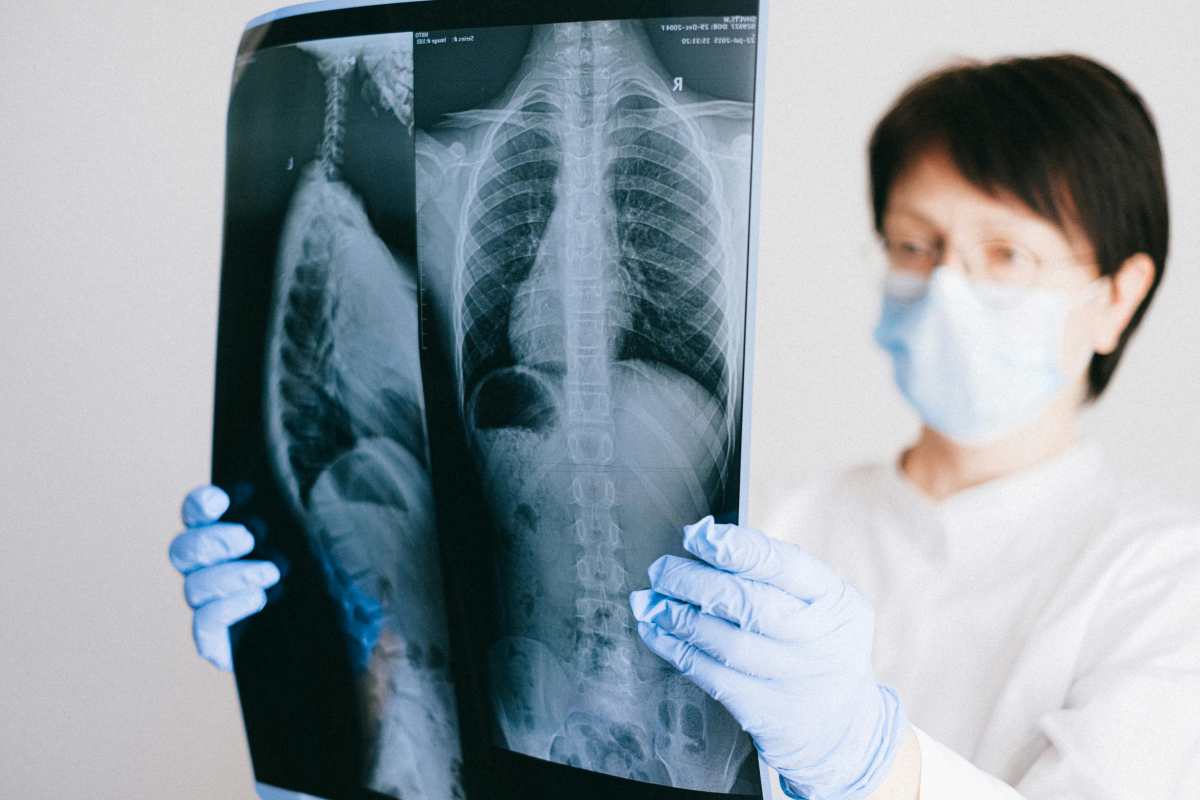
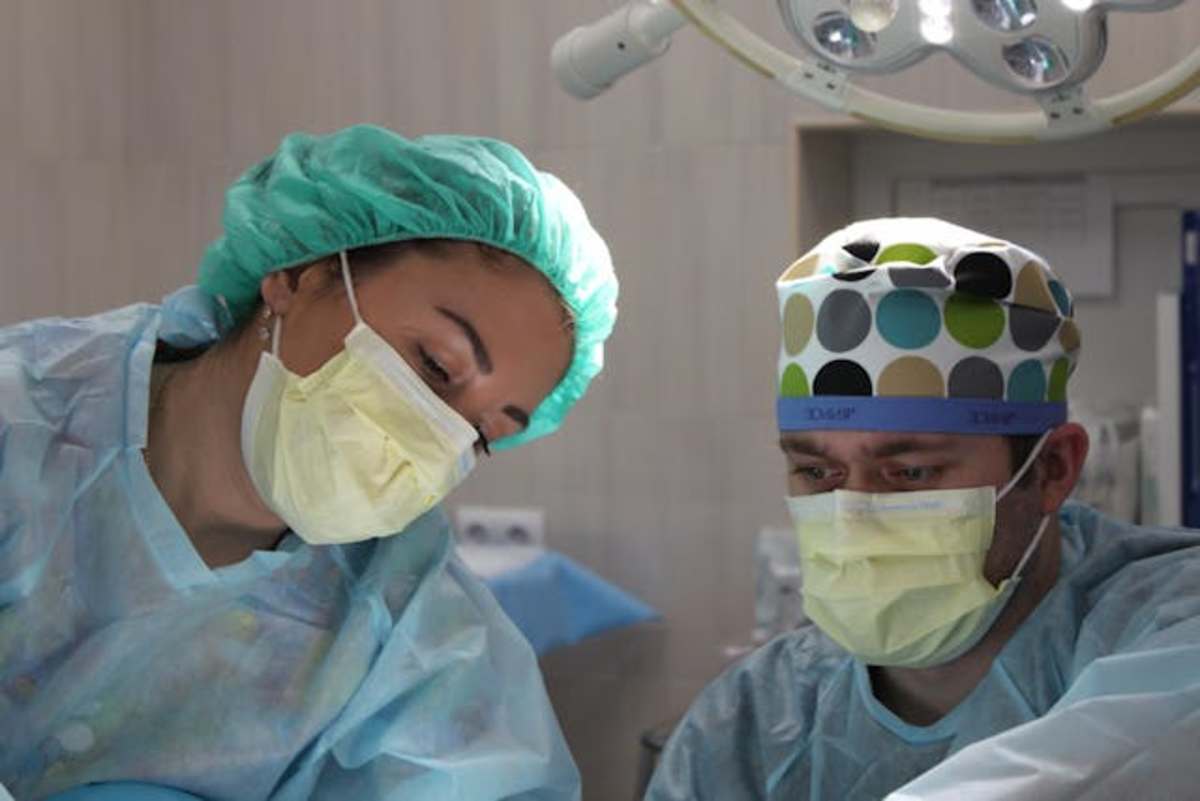
John underwent a single-incision video assisted thoracoscopic surgery (VATS) after discussion with Dr. Wen. A 2.5-centimeter incision was made, and the tumor was removed. It was then examined by an on-site pathologist, who confirmed the tissue was cancerous. The doctors removed the entire upper lobe of John’s right lung, around one-third of the organ, along with the lymph nodes of the right chest, to ensure complete removal of malignant tissue. Thanks to early diagnosis, he recovered steadily and was discharged within a week, and by the next month, he was able to resume his daily activities.
Talking to the outlet, Dr. Wen explained, “Every year, almost 2 million people worldwide die from lung cancer. While it may not be the most common cancer, it is the leading cause of cancer-related deaths worldwide.” He further shared that there is a growing trend of lung cancer diagnoses among non-smokers, particularly in Asia. “Environmental factors, genetic predisposition, air pollution, and second-hand smoke exposure can all contribute to the development of lung cancer. However, there is a group of patients with no risk factors found, such as in John’s case,” he revealed.
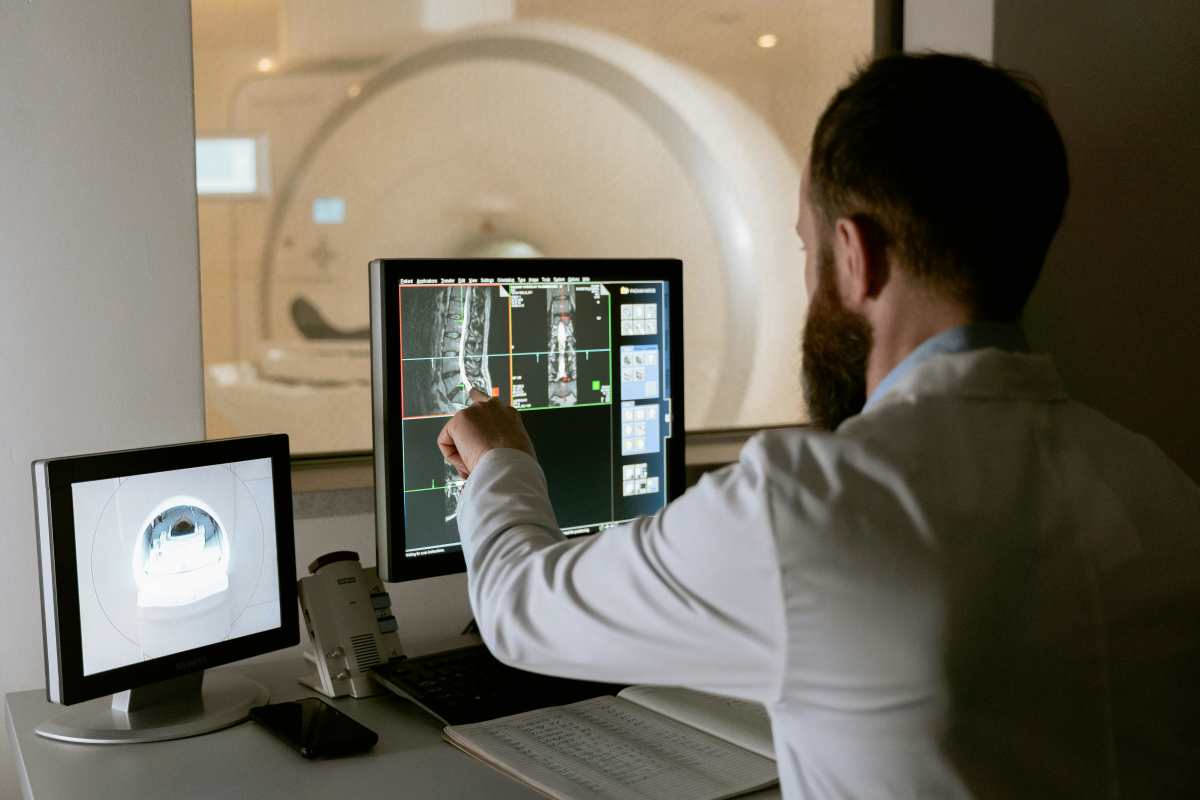
Early detection through low-dose CT screening can significantly improve survival rates. A medical oncologist, Dr. Chin Tan Min, at Gleneagles Hospital, also stressed that smoking is a definite risk factor for lung cancer, but now it has been increasingly recognized even in non-smokers. Citing a local study, Dr. Min said, “A local study of two groups of lung cancer patients found that the proportion of never-smokers diagnosed with lung cancer increased from 31 per cent in the 1999-2002 cohort to 48 per cent in the 2008-2011 group.”

According to data from the Singapore Cancer Registry Annual Report 2022, lung cancer affected more than 9,200 individuals from 2018 to 2022, ranking it as the third most common cancer across both genders. Dr. Wen explained, “The survival rate drops by 30 to 40 per cent between Stages 1 and 2. While Stage 1 lung cancer has a five-year survival rate of at least 65 per cent, the early form (Stage 1A1) can be cured in more than 92 per cent of cases, according to the American Cancer Society.” John's Stage 1 diagnosis provided the strongest chances of recovery, as the cancer had not spread beyond the lung. Dr. Chin mentioned that treatment decisions depend on tumor size and progression. She further clarified that smaller nodules may be monitored, adding, “This can be a grey area.”
Dr. Wen noted that one major challenge with lung cancer is that it often develops without symptoms. Signs like coughing, chest pain, or breathlessness often appear only in advanced stages. He also addressed common misconceptions, stating that coughing up blood is “not the usual presentation of lung cancer.”