Dad survived two rattlesnake bites in his parents’ backyard — but what doctors discovered meant one hospital was no longer enough


The outdoors can hold unseen risks, even in places people visit every day. An Idaho father, Chris Howarth, when he went to the backyard to check the water line while visiting his parents in Northern California. He looked down, thinking he had stepped on something sharp, and saw a rattlesnake. He survived two snake bites to his lower right leg, but his condition became far more serious as doctors worked to save his life. As reported by KTLA News, the incident happened on May 26, 2026, in Oroville, California. What first appeared to be a painful snakebite quickly revealed the seriousness of his condition, leading to an extended hospital stay and far more treatment than anyone had expected.

“I went inside. My wife thought I was joking,” Howarth recalled. His wife immediately rushed him to the hospital after seeing his injuries. By the time they arrived, he had developed a numb tongue, swollen lymph nodes, and breathing problems. Doctors discovered that one of the snake’s fangs had pierced a vein, causing the venom to spread quickly through his body and requiring a large number of antivenom doses. They gave him antivenom within about an hour, hoping to stop the venom from causing further damage. However, as his treatment continued, the hospital ran out of antivenom, and Howarth was transferred to another facility.
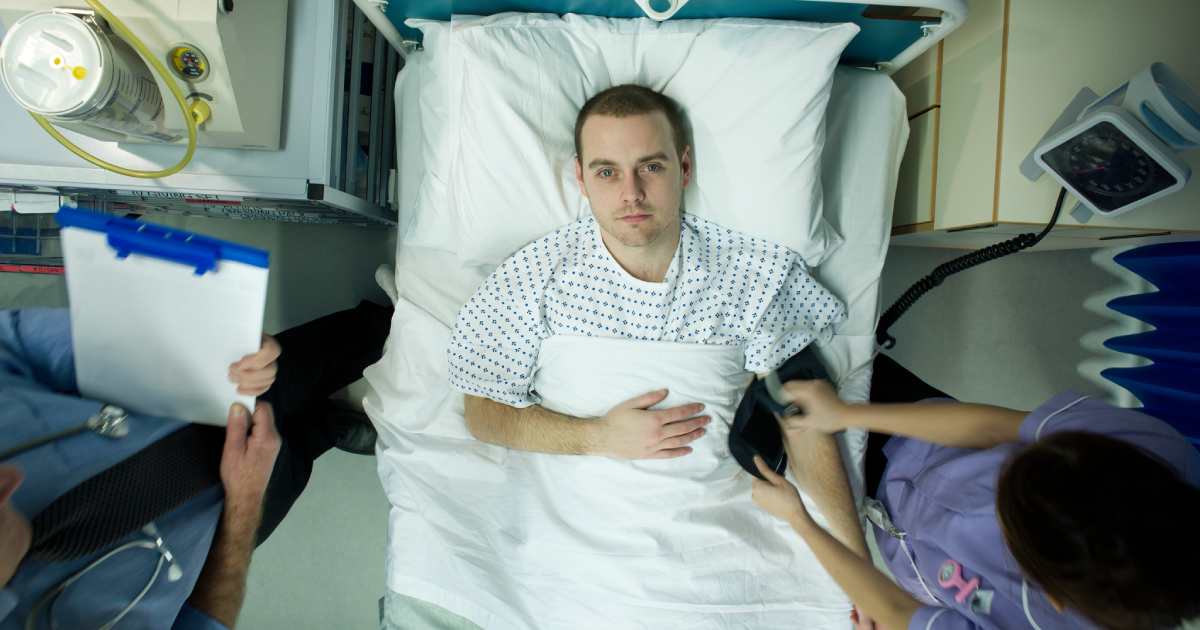
Although the initial medication helped for a short time, his symptoms kept returning. By his third day in the hospital, doctors diagnosed him with disseminated intravascular coagulation, a serious blood-clotting disorder that can trigger severe bleeding throughout the body. “I started feeling really sick,” Howarth recalled, adding that he even wrote farewell letters to his children because he was unsure he would survive. Quick medical care can greatly improve the chances of surviving venomous snakebites. According to the U.S. Centers for Disease Control and Prevention, around 7,000 to 8,000 people are bitten by venomous snakes in the United States each year, but only about five deaths are recorded annually because of timely treatment.
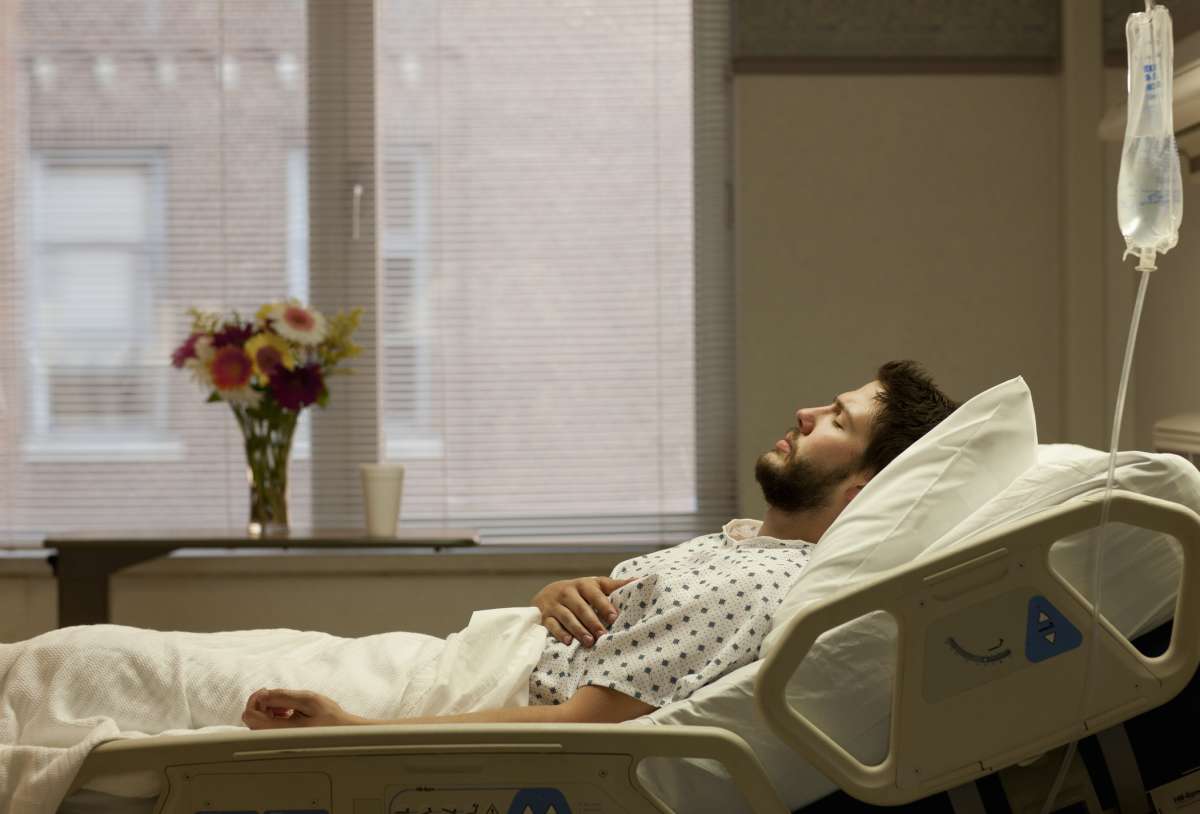
Doctors continued treating him with platelets and additional antivenom, but his recovery remained uncertain. After three days, the hospital exhausted its supply of antivenom, making it impossible to continue his treatment there. He was then airlifted nearly 195 miles to Stanford Hospital, where doctors switched him to a different type of antivenom. That treatment finally brought his condition under control and helped stop the repeated setbacks he had been facing. Howarth remained hospitalized for 12 days, spending most of that time in intensive care, and received a total of 54 doses of antivenom.
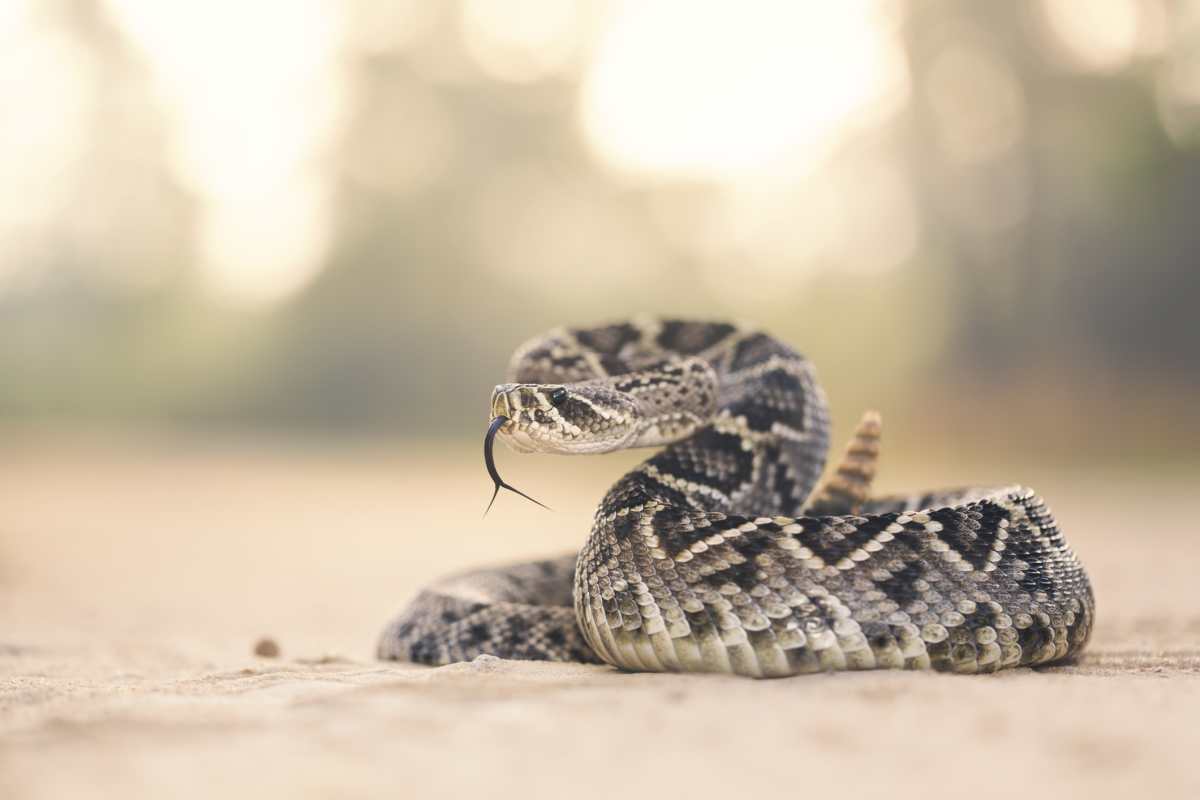
His family later explained that the rattlesnake's warning sound was almost impossible to hear because the recent wet weather had dampened its rattle. After the incident, his father said the snake had been rattling before the attack, but the sound was so faint that it could barely be heard. By June, Howarth and his family had returned to their home in Meridian, Idaho. However, even after returning home, he had not recovered enough to return to work as a letter carrier. A GoFundMe campaign was also launched to help the family manage the financial costs of the medical emergency.