Doctors did prenatal test on pregnant woman to rule out chromosomal abnormalities — it instead saved the mum’s life


Pregnancy is a phase that requires extra care, regular medical checkups, and close attention to even minor discomfort, as overlooking symptoms can put both the mother and the baby at risk. For Heidi Neas, one such routine check-up turned out to be life-saving. Heidi and her husband, Cody Neas, had learned they were expecting their second child, according to UAB Medicine. During her prenatal appointment, doctors were meant to look for chromosome abnormalities, if any, but the results led to something unexpected that the couple never saw coming.
According to a report from WBRC dated May 9, 2026, about a week after the test, the mother received a phone call informing her that her results had shown an abnormality. NIPT (Noninvasive prenatal testing) is a blood screening that examines fragments of placental DNA to identify possible chromosomal abnormalities in the baby. While the test is primarily meant to detect potential genetic disorders in the fetus, in rare cases, it can also reveal signs of maternal cancer. The focus soon shifted to the mother after she was referred to the University of Alabama at Birmingham. After reviewing her medical history and learning that Heidi’s father had kidney cancer in his 60s, doctors decided to perform a kidney ultrasound, which ultimately detected cancer during the 15th week of her pregnancy.
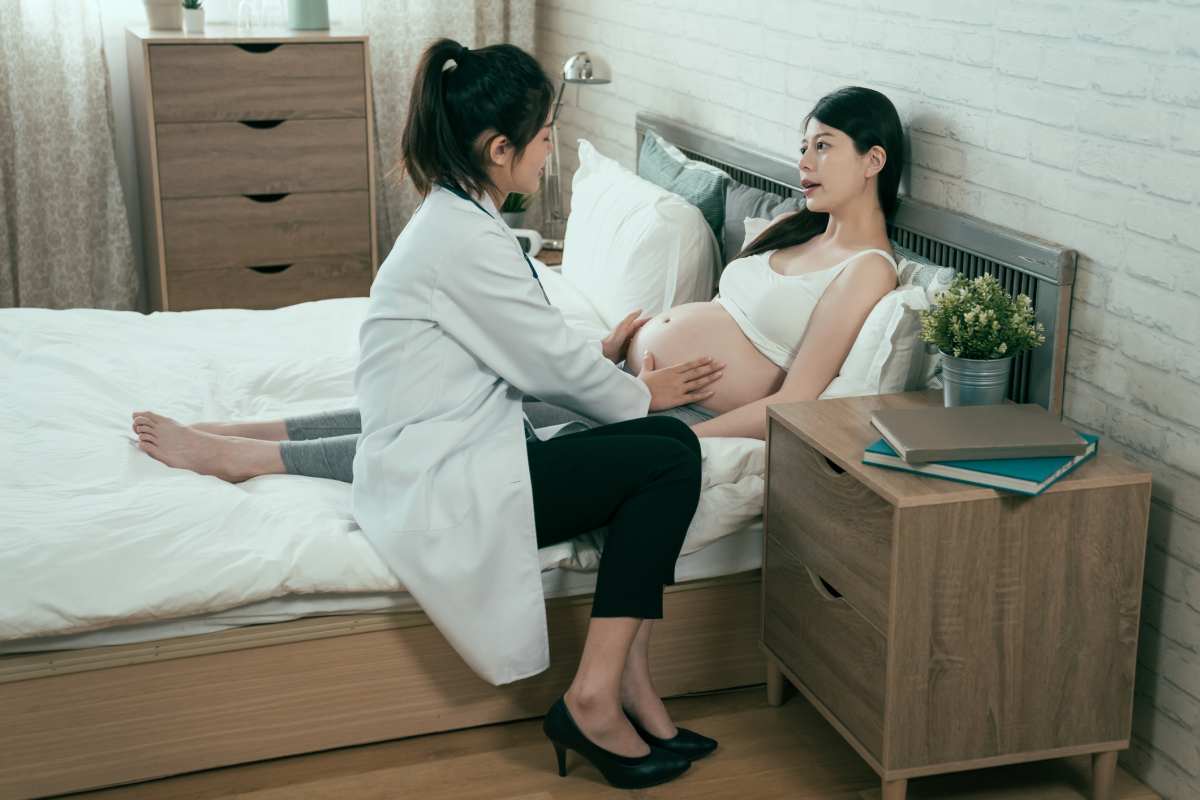
Dr. Carolyn Webster, her maternal-fetal medicine physician, explained that Heidi had a clean medical history, leaving doctors confused about her results. That was when the medical team decided to closely examine her family's medical history. Her genetic counselor, Olivia Kesler, emphasized the importance of understanding hereditary health conditions, a step that ultimately helped doctors trace the cause in Heidi’s case. Cody later revealed that he was told he might have to choose between saving the baby or his wife, or potentially losing both. “It was a very tough situation for everybody,” he said.
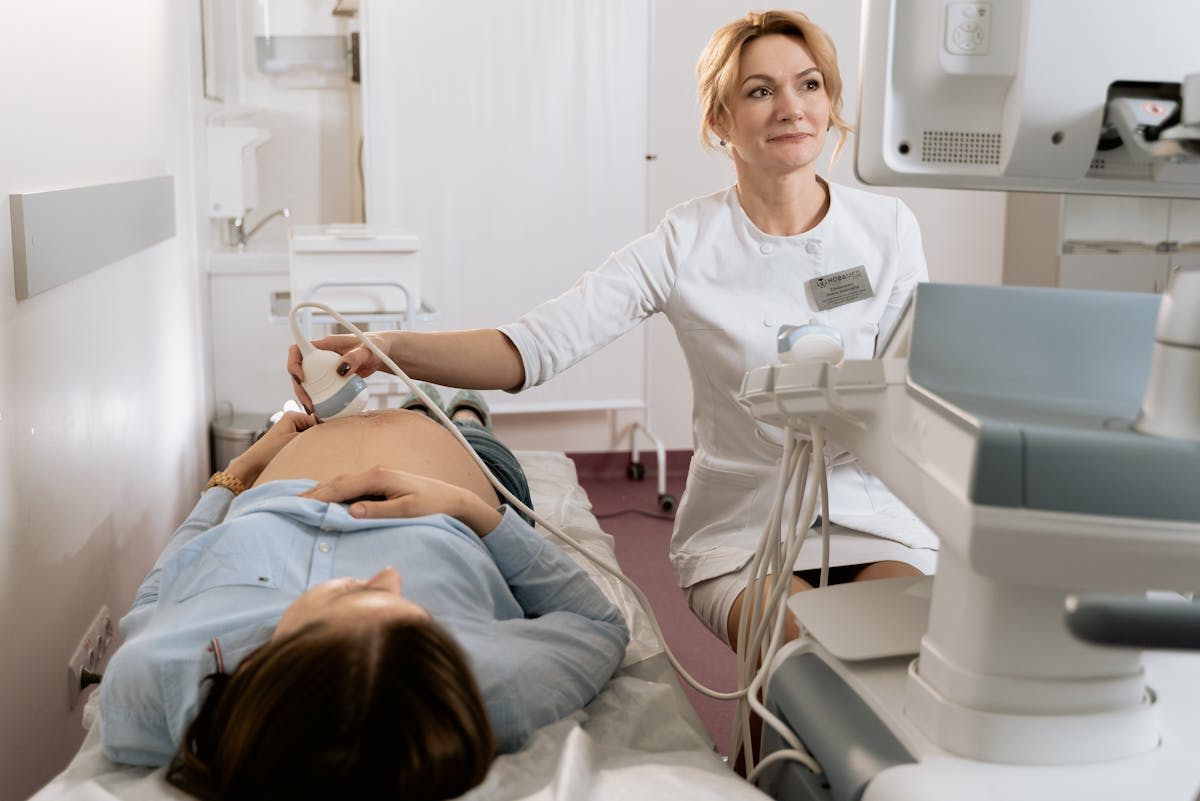
But, the treatment was eventually planned after Wesbter discussed the case and possibilities with oncologist Charles Peyton. He ensured that whichever treatment doctors chose to remove the detected mass had to prioritize Heidi’s safety and not put her life at risk. Eventually, doctors performed an open nephrectomy, successfully removing all traces of the disease. “I do remember the first thing I said when I came out of the surgery, I was groggy, but I was still, I was still pretty with it. Do we have a heartbeat?” Heidi recalled. The surgery was successful, but it was followed by a recovery period that lasted several weeks, during which Heidi gradually healed while her baby continued to grow stronger.
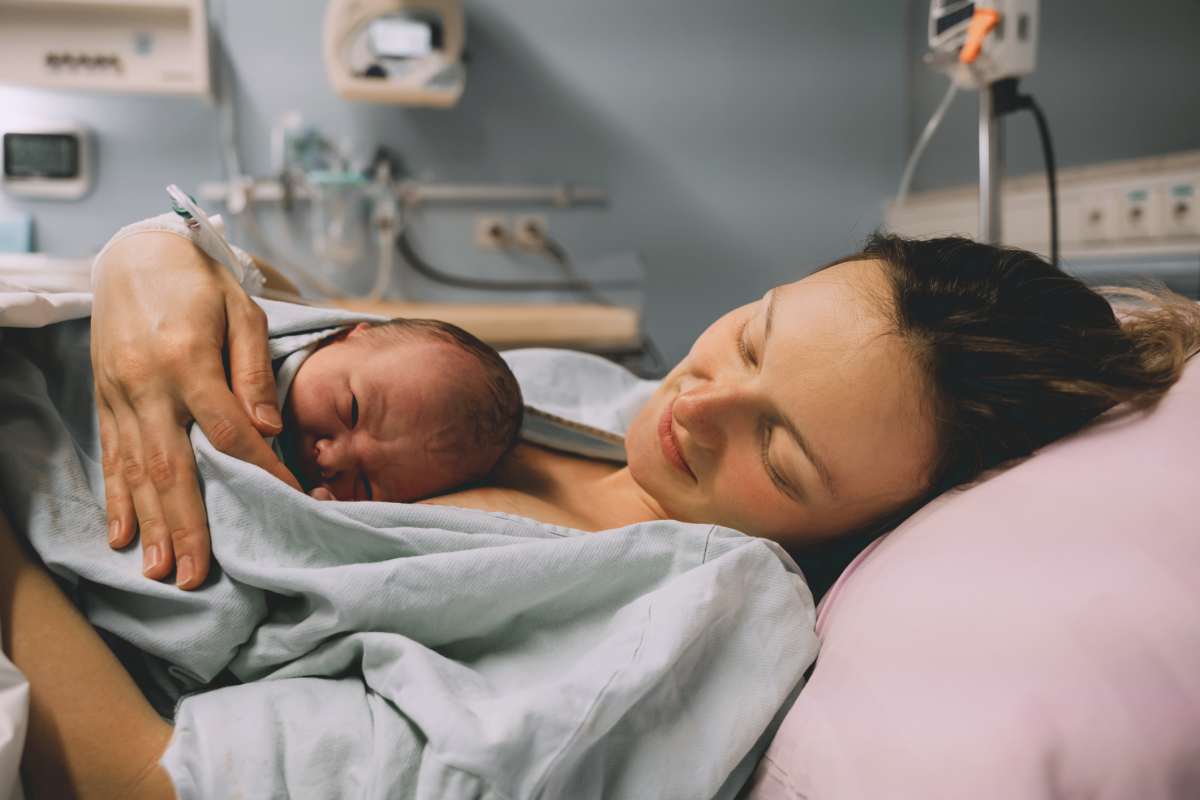
The fears and uncertainty finally eased when Heidi delivered a perfectly healthy baby at 37 weeks while also remaining healthy herself. The father also mentioned that the experience taught him how difficult moments can test a person’s faith, but believing in God and holding onto hope can eventually lead to a better ending. “We have looked where God has brought us, we look where we’re at, and wake up each day with a grateful heart,” said Heidi, who still undergoes regular scans every four months to ensure her cancer has not returned.