Hospice patient said being sick all her life wasn’t what hurt most, and the reason left her nurse in tears


Hospice care is usually different from most care in a hospital wing. This is because it brings people face-to-face with questions that have no easy answers. Hospice nurse Julie, who goes by @hospicenursejulie on TikTok, shared one such story on March 30, 2026. The patient, Cynthia, who had lived with a chronic illness since childhood, immediately connected with her, describing her as funny and full of personality. Yet during a later conversation, Cynthia revealed a deeply personal struggle that left the nurse heartbroken and changed the course of their discussions.
@hospicenursejulie You actually can't get the "maid" medication while on hospice because hospice is a FEDERAL program- and MAID- is state by state. So you must get medication BEFORE coming into hospice. Or come off hospice, get medication, then go back on hospice.
♬ original sound - 💕 Hospice nurse Julie 💕
A few weeks later, Julie received a call to visit a patient reportedly experiencing uncontrolled symptoms. She was pleased to see Cynthia's name on the list. But once she arrived, it became clear that pain was not the main issue. As they talked, Cynthia gradually opened up about what was truly bothering her. She explained that after a lifetime of managing illness, she could handle feeling sick. What she could not accept was losing her independence. She now needed help getting dressed, showering, using the bathroom, and could rarely be left alone. Eventually, she quietly admitted, "I just wish there was something I could take to speed this up."
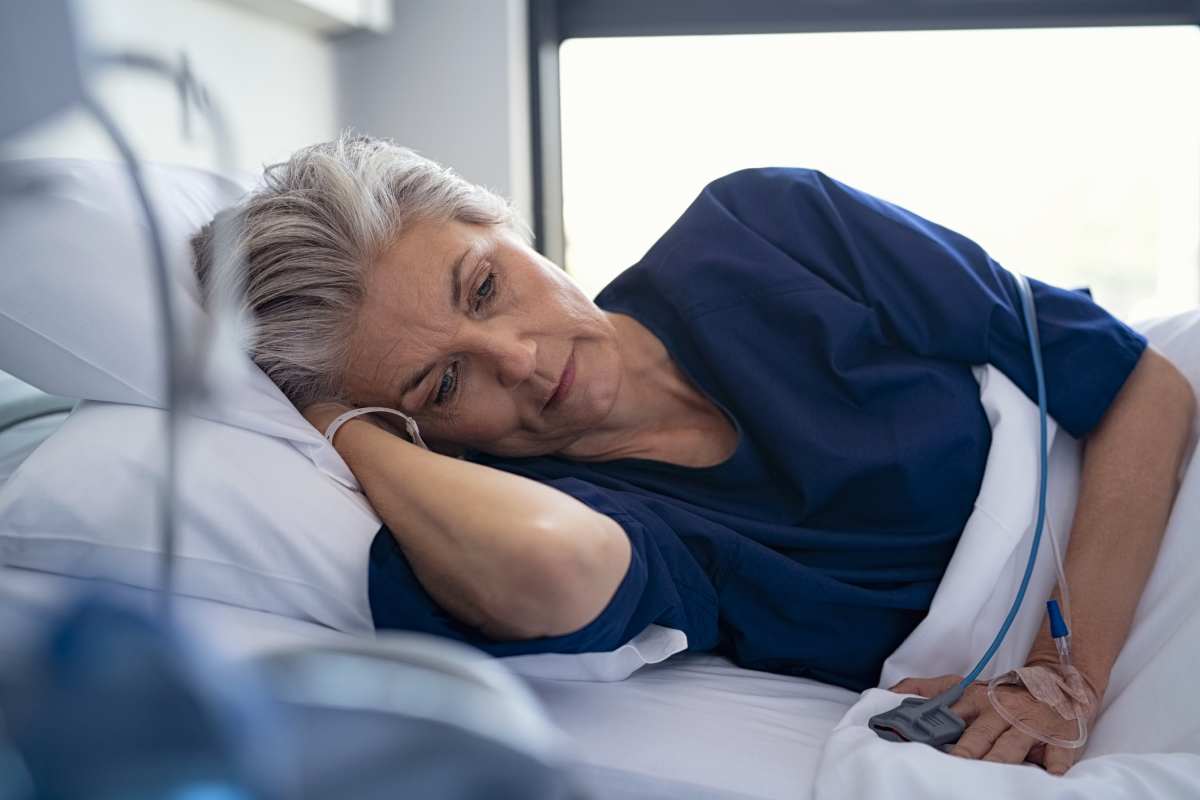
At the beginning of the video, Julie explained that, at her facility, staff cannot proactively suggest death-with-dignity medication to patients. However, if a patient raises the subject themselves, nurses are permitted to provide information. So, during their emotional conversation, the creator explained what options were available and provided the contact information needed to begin the process.
The conversation ended with gratitude and a sense of relief for Cynthia, who felt empowered by having a choice. About a month later, Julie received a notification that Cynthia had died peacefully at home, surrounded by friends, after choosing a path that aligned with her wishes and restored a sense of control over her final days.
The clip drew the attention of internet users, and many agreed with the creator. @sunflowermommaxo said, "We afford our pets the dignity. People should be able to choose this, as well. Losing independence and being in chronic pain is awful." Meanwhile, @lindarella809 commented, "I wish all states offered this. Watching someone you love suffer from ALS is heart-wrenching." @chach1980 wrote, "That’s my fear! Not being able to take care of myself! If something happens to me and I’m in that situation, I am for sure doing that!"
Cynthia's story also reflects a broader shift in public attitudes toward medical aid in dying. A 2024 Gallup survey found that 67% of Americans believe doctors should be allowed by law to assist terminally ill patients who wish to end their lives, while a separate study published by Rutgers found that 44% of U.S. adults said they would consider using medical aid in dying if they were terminally ill. Research published by PubMed Central noted that concerns about autonomy, quality of life, and loss of independence were among the most commonly cited reasons people expressed interest in the option.
Julie admitted that receiving the notification was bittersweet. While she was saddened by Cynthia's death, she also felt relieved knowing her patient had been able to make a deeply personal choice and spend her final moments on her own terms. Although medical aid in dying remains a highly debated topic, Cynthia's story highlights why some patients view it not as giving up, but as a way to reclaim autonomy and control when illness has taken so much else away.
More on Amplify
Premature baby was dying—until a nurse put her twin next to her and everyone witnessed a miracle