Mom proved her underage daughter wasn’t pregnant after 3 ER doctors insisted she was — 2 years later, a $10K bill reopened the case


False pregnancy diagnoses and pregnancy scares are not unheard of in healthcare. Yet amid testing, it can be easy to forget the emotional weight such a diagnosis carries for the patient and their family. One such anecdote was shared by TikTok user Llorca, who goes by @livinlavidallorca, on April 30, 2026. A routine emergency room visit for suspected appendicitis quickly spiraled into something far more confusing. Despite arriving with abdominal pain, the family soon found themselves facing an unexpected pregnancy diagnosis that the mother immediately believed was wrong, setting off a chain of events that would continue for years.
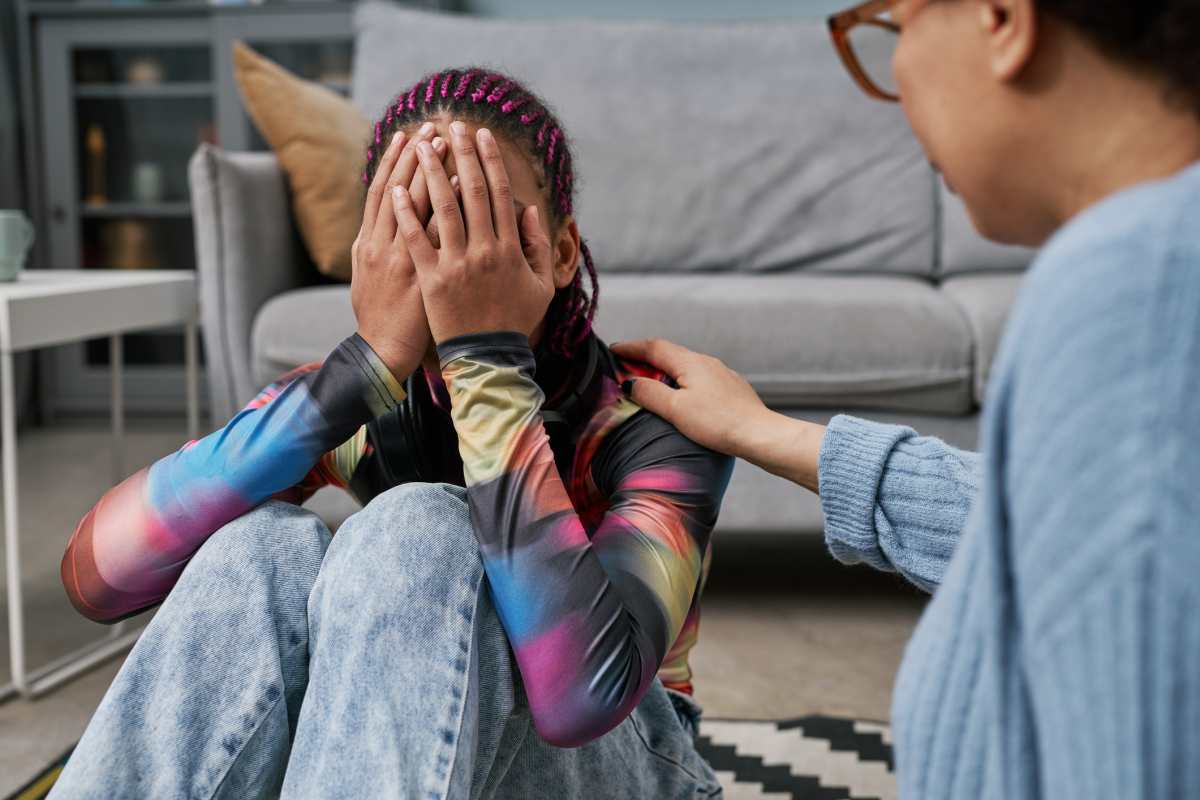
Blood tests, urine tests, and the completion of a full menstrual cycle already indicated that her daughter was not pregnant. Despite this, a nurse practitioner remained convinced that the teenager was pregnant. The family eventually sought an appointment with an OB-GYN, who confirmed that there was no pregnancy. Believing the ordeal was finally over, the mother filed a grievance and later even received an apology from the hospital. Two years later, however, she was stunned to receive a $10,000 bill. When she contacted her insurer, she was told that the claim had been categorized as a minor pregnancy, which was not covered by insurance, suggesting the original error had never been properly corrected.

What left many viewers especially frustrated was the way the family described being treated throughout the process. The daughter repeatedly insisted she was not sexually active, yet felt dismissed by a nurse practitioner, who went so far as to order a "fetal exam." Even after conflicting test results emerged, the diagnosis continued to gain traction because several professionals reviewing the case reportedly believed the pregnancy assessment was correct. Situations like these highlight how difficult it can be for patients to challenge medical conclusions once they become part of a broader consensus.
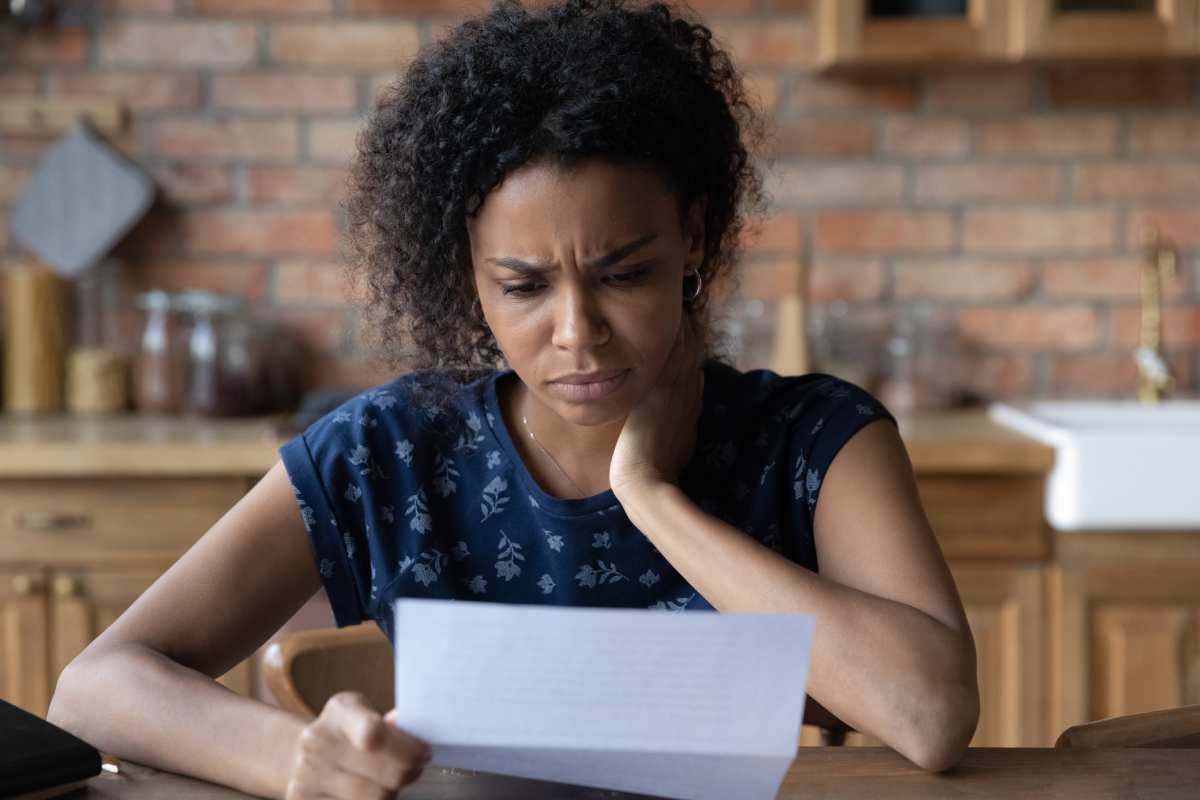
The comment section was also enraged for her. @emgpower mentioned, "I’d be disputing that with the hospital and make them pay it. She was there for abdominal pain, but because they coded the visit that way, you’re now getting billed for a non-existent pregnancy?" Meanwhile, @literallywtf333 remarked, "This should be an advertisement for women’s health care in America," and @desini1111112 wrote, "As a once traumatized little girl, I’m so glad you believed your daughter and comforted her."

The story also highlights why accuracy and communication matter so much when discussing potential pregnancies with young patients. PubMed Central suggests that pregnancy testing is a routine part of emergency medicine, with one study finding that tests were performed during 18.1% of emergency department visits involving females aged 14 to 21. At the same time, another study found that a misdiagnosis may reduce trust in healthcare providers by negatively influencing a patient's perception of a physician's competence.
Cases like this demonstrate that even when a mistake is eventually corrected, the uncertainty and distress created in the moment can leave a lasting impression. The lesson here is that medical knowledge may guide a diagnosis, but empathy shapes how that diagnosis is remembered. The most important part of being heard is not always being right. Sometimes it is simply knowing someone is willing to listen, and most importantly, correct their error when wrong.
For more such stories, follow @livinlavidallorca on TikTok.