Shark attack severed a surfer’s leg and left him with just 5% chance of survival — until one word he screamed in pain changed his fate


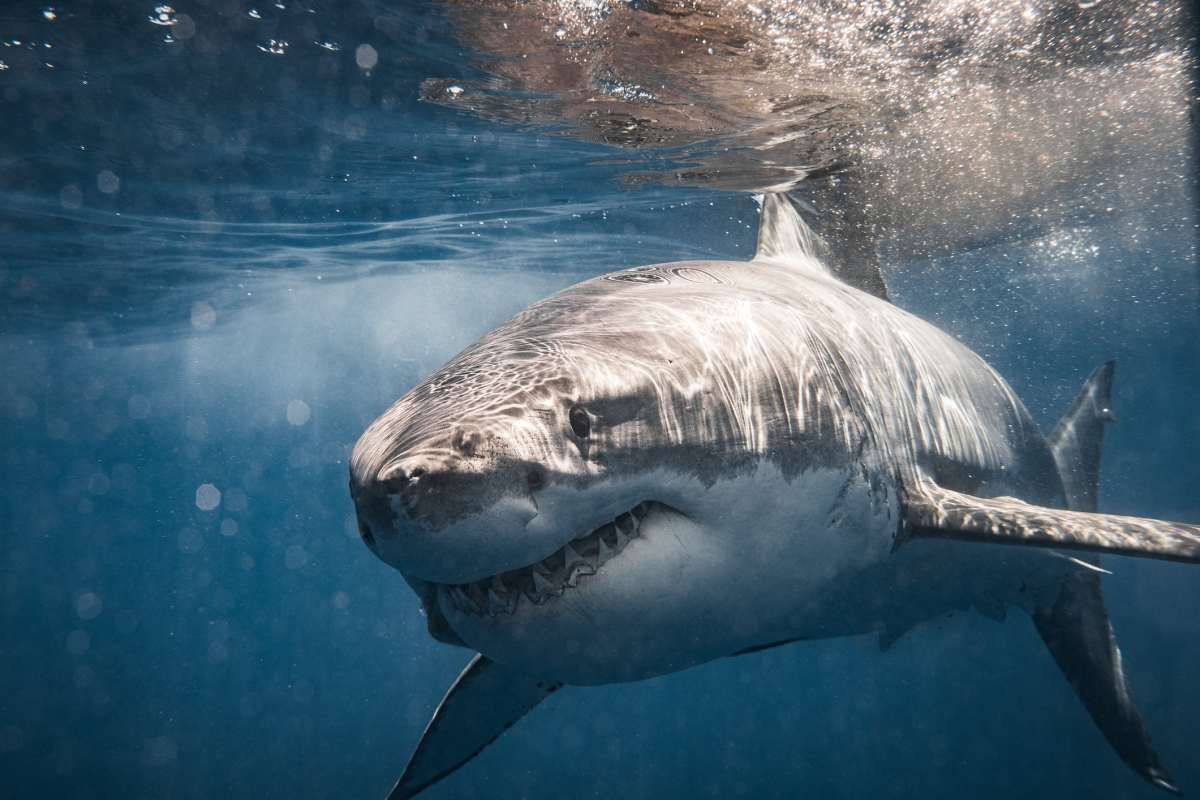
Recent weeks have seen a rise in shark encounters along Australia’s coastline. However, a recent shark rampage on a young surfer has left everyone stumped. Twenty-seven-year-old Andre de Ruyter was surfing at Manly Beach on Monday, January 19, 2026, when he was attacked by a shark, which thrashed his leg. Fighting for his life, he was left with only a 5% chance of survival until he screamed for one thing that saved his life, as reported by The Sun on January 23, 2026.
Andre de Ruyter from Wollongong, south of Sydney, reportedly had "barely paddled out" looking for his first wave, when the shark attacked him. The predator mauled his right leg, leaving him with catastrophic blood loss. Two other surfers, Ash and Eduardo, who noticed him, brought him to the shore. However, de Ruyter went into cardiac arrest following the attack. While medics pronounced that his chance of survival was less than 5%, he began screaming a word that saved his life. The surfer began saying, "tourniquet," which prompted the rescuers to immediately rip off a leash and tie it around his leg to create a makeshift tourniquet. “He said to me, ‘tourniquet, tourniquet, tourniquet’. He saved himself in a way. I started screaming it,” Ash recollected.
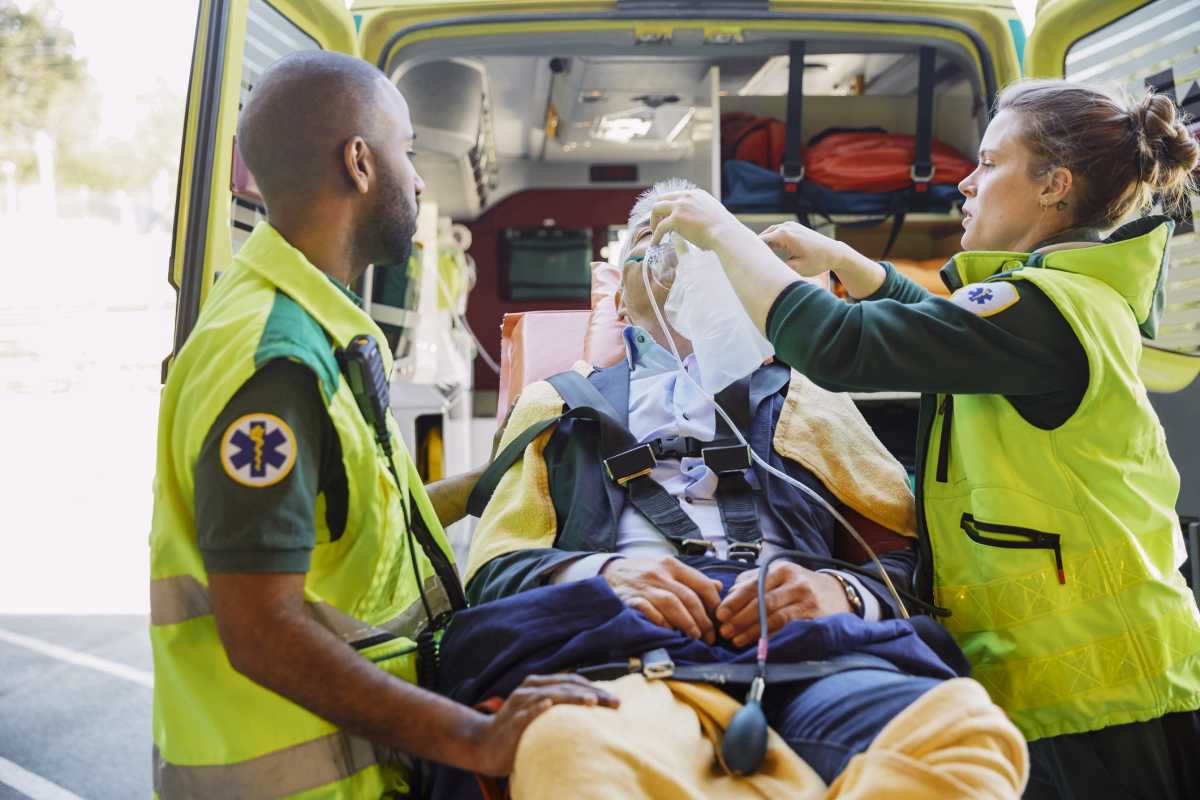
Following the rescuers' shouting and screaming for help, five lifesavers arrived with trauma kits and a defibrillator. Junior members were in the middle of a CPR lesson at the nearby North Steyne Surf Life Saving Club, when the screams reached them and they rushed to help. Luckily, two doctors, a paramedic, and a nurse also happened to be at the beach. They helped keep the surfer alive until the ambulance arrived. When the paramedics arrived, de Ruyter's pulse had stopped. The crews provided every last drop of blood and fluids to keep his circulation going until his pulse returned.
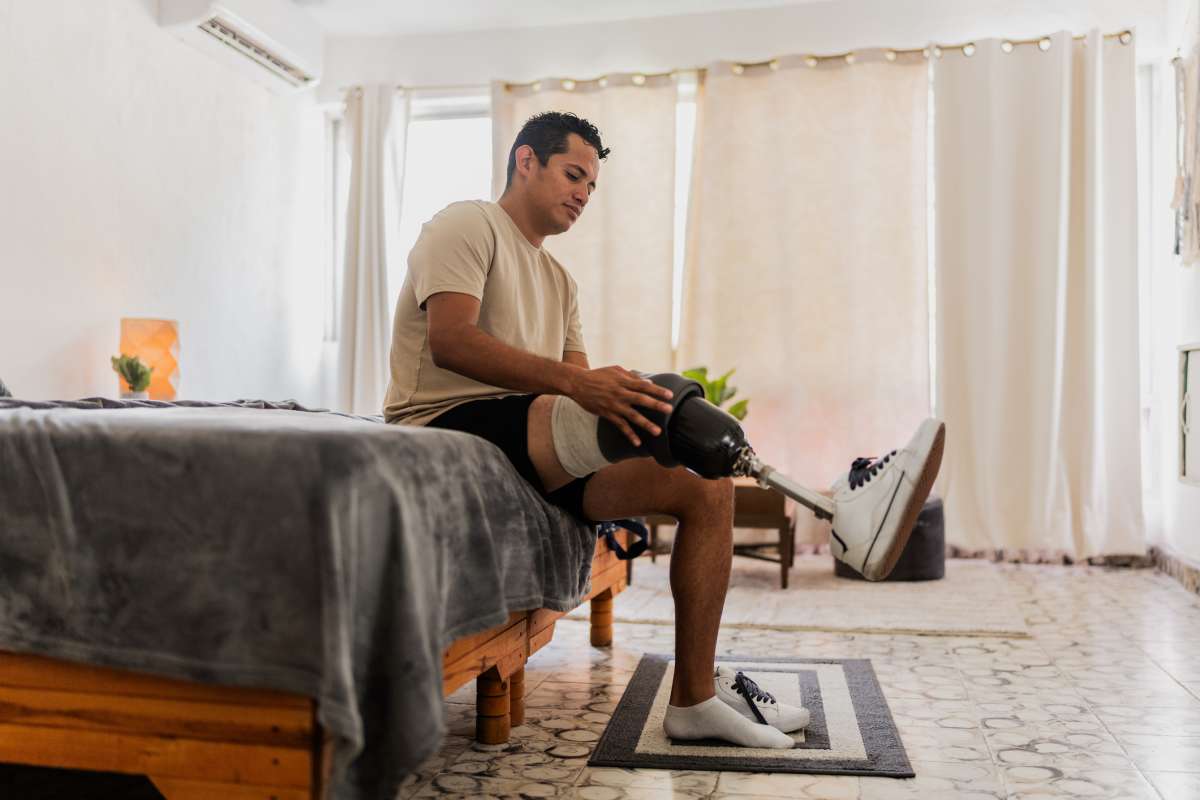
Though he was in critical condition, he was stabilized. Doctors at Royal North Shore Hospital amputated his lower right leg, and fortunately, de Ruyter's life was saved. A 2022 study published in PubMed stated that out of 1,392 injured limbs treated with 1,130 tourniquets, bleeding was effectively controlled in 87.7% of cases. The study also noted that using tourniquet application before hospital admission reduced the incidence of arrival in shock without increasing limb complications. If de Ruyter hadn't shouted the word and alerted his rescuers in time, the delay could have cost him his life.
Quick tourniquet application can mean the difference between life and death. The importance of a tourniquet is emphasized in another story, in which an elderly woman named Tamra Kendrick was driving to see her grandchildren when her car was hit by a pickup truck. She sustained multiple injuries and life-threatening fractures. As bystanders stood helpless, one off-duty soldier with medical training came to her rescue. He immediately tied a makeshift tourniquet around Tamra to stop her severe bleeding. Her family later revealed that if the tourniquet had not been made, she might not have survived long enough to reach the hospital. Just like de Ruyter, Tamra required amputation, but the immediate medical intervention by the soldier saved her life.
More on Amplify
Teen lost a leg during a shark attack—the next time he entered the water was a true example of faith