She once wondered if her autistic son would ever call her ‘Mom’ — years later, what he wrote in a birthday card brought that journey full circle


Autistic children can love deeply, even when they express it in ways that may look different from what others expect. For bestselling author and mom Carrie Cariello, those differences have shaped the way she and her autistic son, Jack, have connected over the years. So when she was sorting through the mail one day, she didn’t expect a birthday card buried beneath the catalogs, newspaper, and other bits of paper in her mailbox to make her take a second look. On September 19, 2026, the mom recalled in a video posted to her TikTok handle @carrie_cariello that her birthday was days away when she opened the card. It was from Jack, taking her back to years of wondering if he would ever call her “Mom.”
Jack had gone to a store, picked out a birthday card for his mother, and addressed the envelope himself. Inside, he had written: “Having you in my life means so much to me. On your birthday, I hope you feel love and goodness coming back to you. Love, your son Jack.” The card had been timed to arrive just before her upcoming occasion. Jack is also part of a supportive community, making the gesture all the more meaningful to Cariello, and she was overwhelmed. She called it the kind of birthday gift that could make this her best birthday ever.

There had been times when Jack seemed so disconnected from her that she questioned what their relationship would look like as he grew older. The author's son didn’t always seek her out for affection or look to her for comfort, till a card arrived that brought those old doubts rushing back, only this time, with a very different answer. She wasn’t even sure he would one day use the word she had longed to hear.
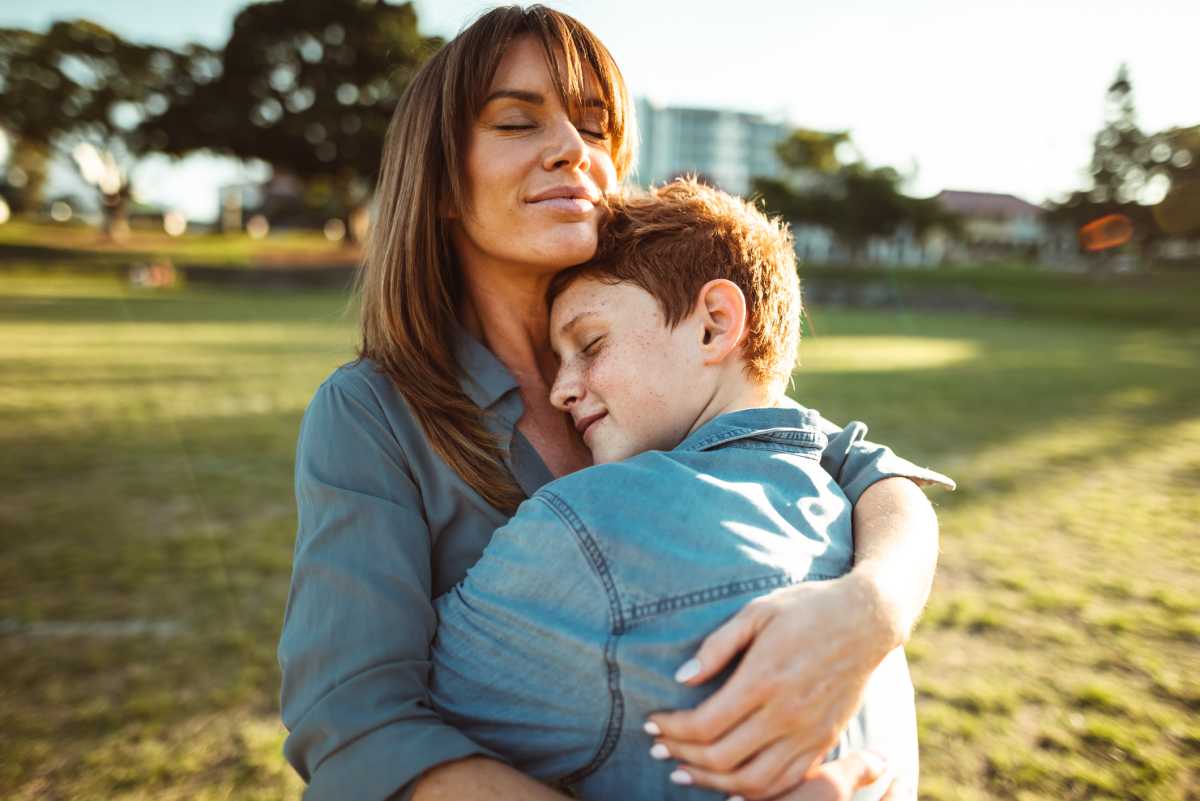
Living with autism can bring questions about how a child experiences and expresses love. For many parents, understanding their child’s individual ways of communicating affection can help build trust, strengthen their bond, and create a deeper sense of connection. A 2026 study found that autistic and non-autistic people reported comparable levels of felt emotion, even though observers interpreted their facial expressions differently. The authors say autistic people may express emotions in ways that non-autistic people can misread.
For more stories like this, follow @carrie_cariello on Instagram.
More on Amplify
Parents wanted autistic 20-year-old to feel independent—their solution is receiving applause