Woman called to cancel a doctor’s appointment — the nurse noticed something in her voice and asked one question that saved her life


A medical crisis can strike without warning, and the symptoms are not always obvious. Denver woman Launice Freeny-Brown woke up at 4 a.m. with her chest pulsating heavily. Feeling exhausted, she decided to cancel her routine doctor's appointment. However, one call to cancel caught the nurse's attention. The nurse asked a single question, which ultimately saved Freeny-Brown's life. Reported by KGW8 News on March 19, 2026, the woman was surprised to learn what the nurses had discovered.
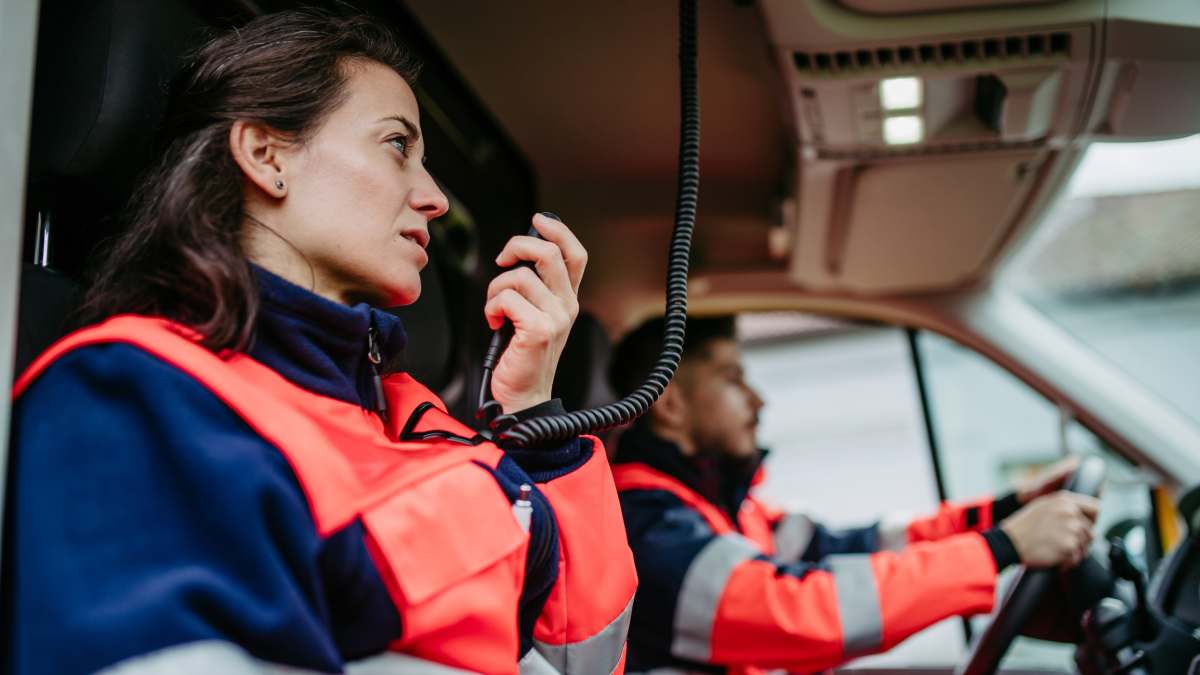
When nurse Kim Headley, who was on the call, asked, "Are you short of breath?" Freeny-Brown confirmed and revealed that she was also experiencing the "worst chest pain of her life." Headley, who immediately recognized that she was having symptoms of a heart attack, tried to connect her to the Registered Nurse. Freeny-Brown's call got disconnected even before she could talk to Nurse Tonya Hopper. Headley quickly called 911. Paramedics and the fire department arrived promptly at Freeny-Brown's home. Freeny-Brown later thanked nurses Kim Headley and Tonya Hopper for their quick thinking.
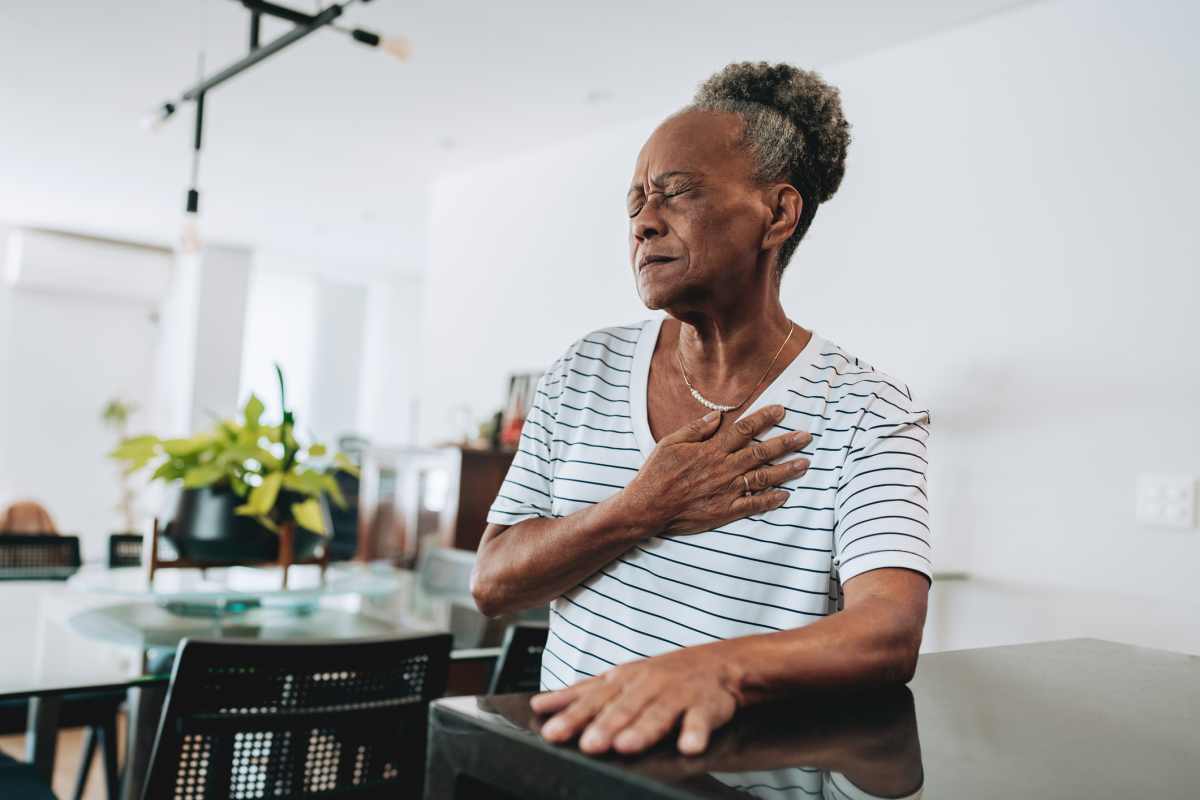
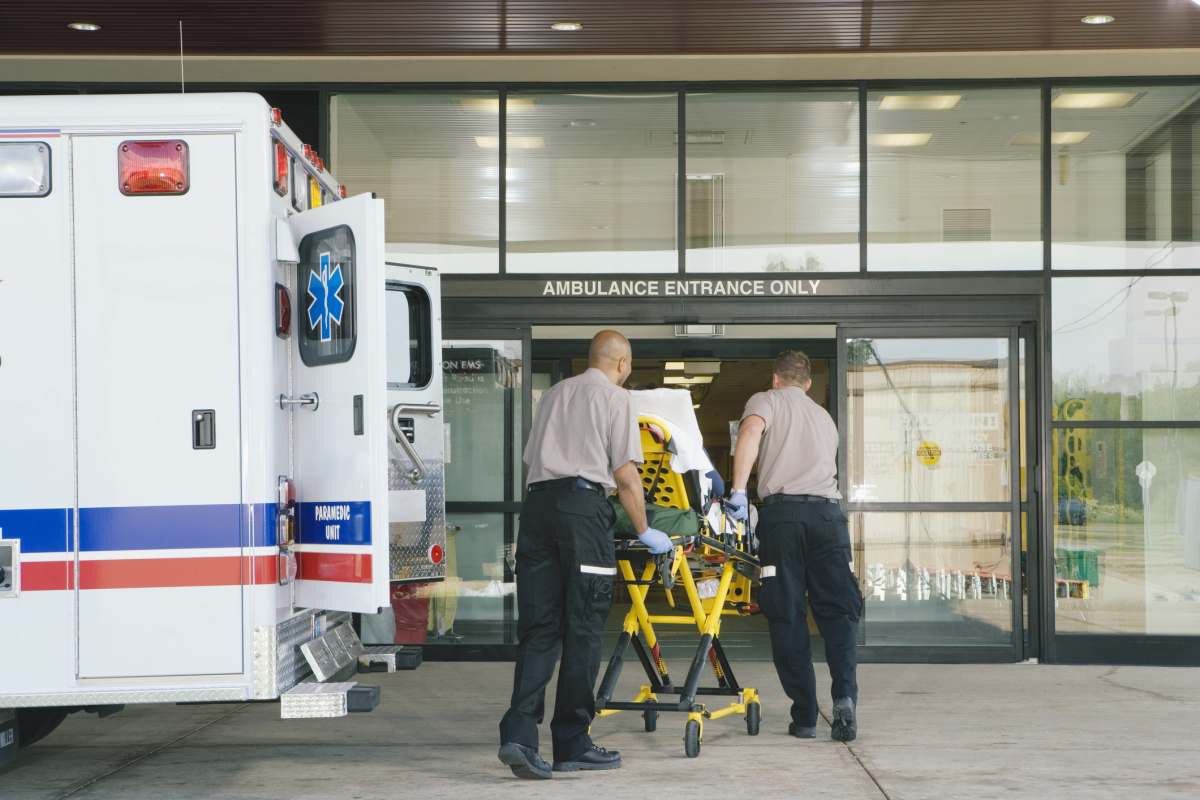
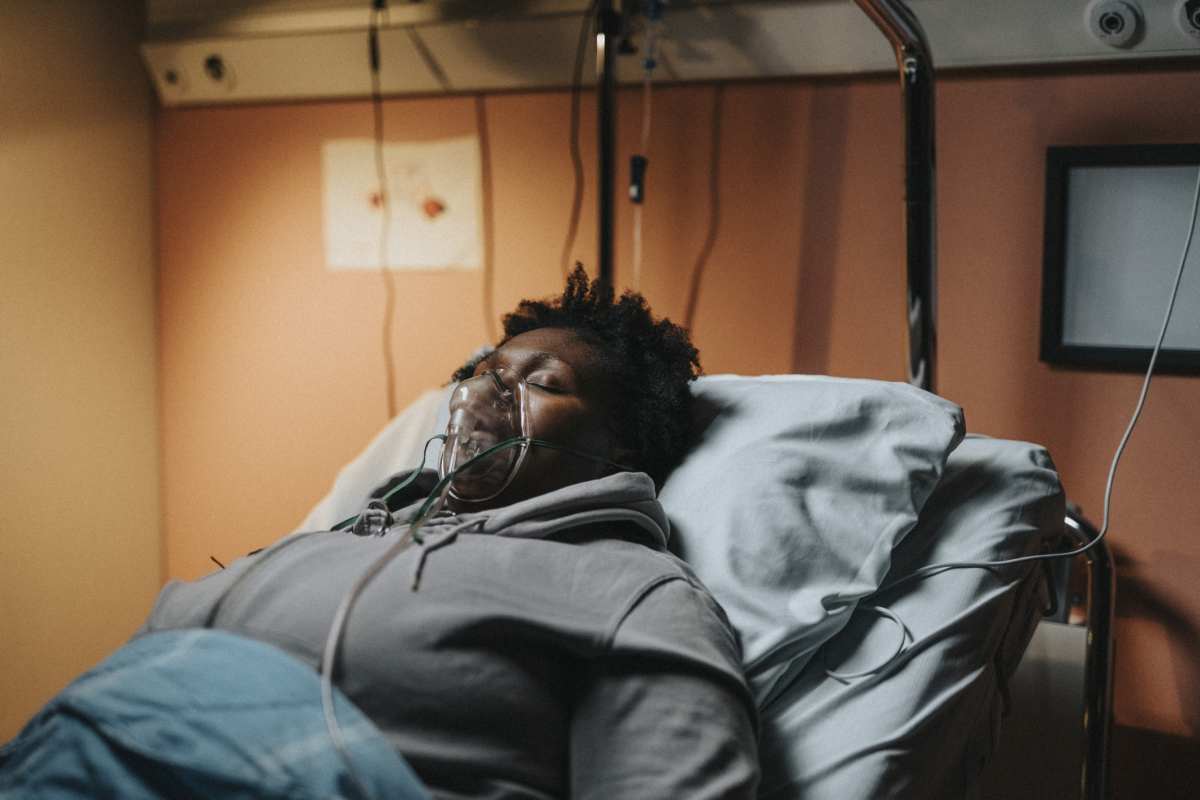
Help arrived just in time, and Freeny-Brown was taken to the hospital. While she is still on the road to recovery, she expressed her deepest gratitude toward the nurses for recognizing what even she wasn't aware of. "At that moment, I didn't know I was having a heart attack," Freeny-Brown recalled. If it weren't for the nurses' timely intervention, Freeny-Brown, who had planned to cancel the appointment, might not have made it. Three months after the panic-inducing event, Freeny-Brown met the two women in person to thank them for their service. Embracing the ladies, Freeny-Brown said, "That I'm here, I'm standing! I'm standing tall because of you all. And I love you all."
While most heart attacks are easily recognizable due to their intensity, some aren't. According to the American Heart Association, most individuals experiencing a heart attack experience pain or pressure in the middle of the chest. The article noted, "It can last more than a few minutes, or it may go away and then return." As experienced by Freeny-Brown, shortness of breath is one of the primary symptoms of a heart attack.
Other possible symptoms include breaking out in a cold sweat, nausea, rapid or irregular heartbeat, feeling unusually tired, or feeling lightheaded. However, women may experience other symptoms, including anxiety, shortness of breath, vomiting, pain in the shoulder, back, or arm, and weakness. Emergency services must be immediately contacted if one experiences any of these symptoms.
Timely action in a critical moment can save a life. In another story, moving and handling facilitator Mark Collins managed to save the life of his colleague and nurse, Corine Cutting. The woman hadn't applied for sick leave and hadn't given any reason for her absence. Collins grew suspicious, especially since he was aware that the nurse's husband had been a patient in the hospital.
When he was unable to reach her by phone, he drove to her home and discovered the shocking truth. The nurse had collapsed due to a dangerous drop in her cortisol levels. Cutting was suffering from Addison's disease; however, Collins helped her get to the hospital in time, where she received treatment that ultimately saved her life.