A casual conversation about age led this nurse to get a CT scan — the diagnosis that followed left her reeling


Medical advancements are now happening at a rapid pace, and not everyone is always able to stay fully up to date on them. These innovations also play a crucial role in enabling early detection of many diseases, which can ultimately save lives. Although one might assume that a nurse would be well aware of such progress, that wasn’t the case for Teresa, a registered nurse. It was only in December 2022, while speaking to the medical director of her local health department, that she discovered the screening age for lung cancer had dropped from 55 to 50, as reported by the American Lung Association on Tuesday, April 28, 2026. She was already 53 years old at that time, so she had a check-up done, and after seeing the results, she felt hopeless.
Teresa was sharing her expertise as a registered nurse at a community health fair when she struck up a conversation with the medical director about infection prevention and overall health. She found out that the age bar for lung cancer screening had dropped by five years. Being a former smoker and already having crossed the 50-year mark, she was surprised she did not know about it. She initially discussed it with her primary care physician at the annual checkup. The doctor reviewed her case, deemed her eligible, and scheduled a low-dose CT scan for the following month. The test revealed a small nodule in the upper lobe of her left lung. She was again advised to do a CT scan six months later, and it revealed that the nodule had grown. Then, a biopsy confirmed that she had non-small cell lung cancer.
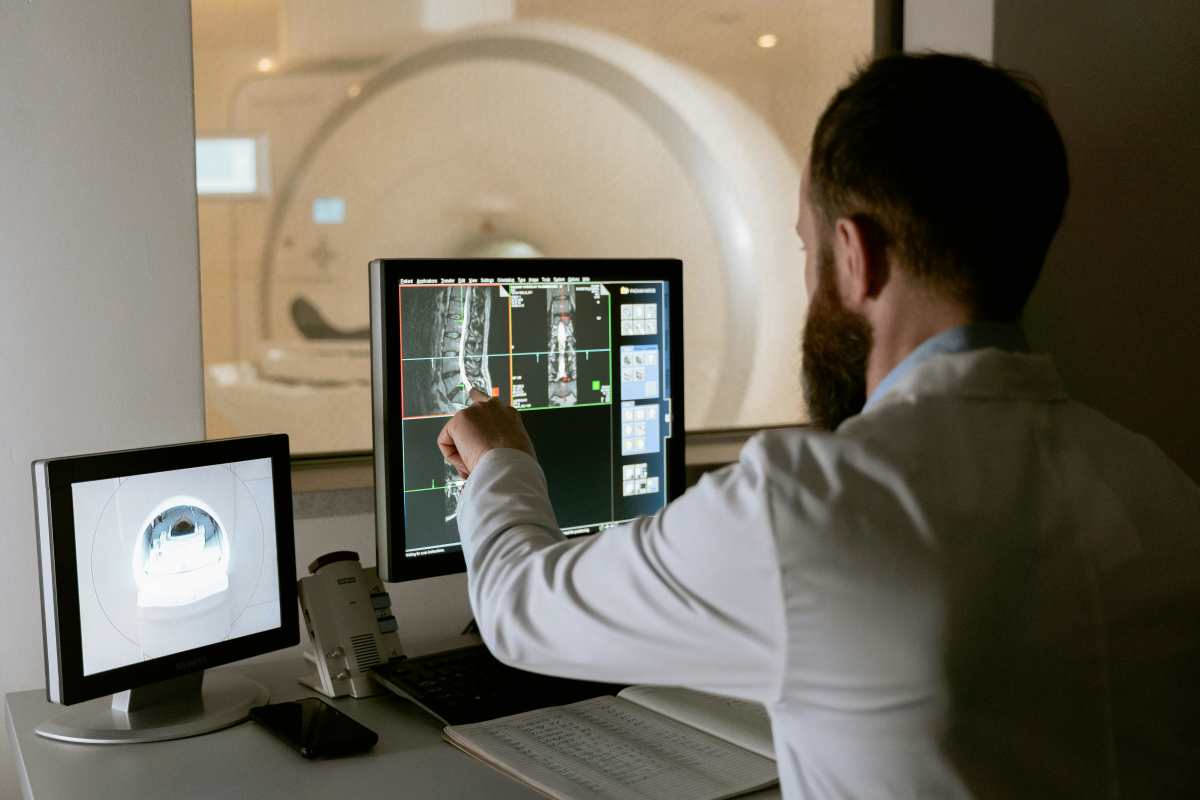
“When I heard the word ‘cancer,’ everything changed. I felt hopeless, and I couldn’t stop thinking that this was the end,” she said. Non-small cell lung cancer is the most common type of lung cancer and happens when normal cells in one’s lungs change and grow out of control, according to Cleveland Clinic. For early-stage, the five-year survival rate stands at 65%, meaning that 65% of those diagnosed are still alive five years after diagnosis. Teresa had never experienced shortness of breath or pain; therefore, the detection of the lung cancer shocked her. Her concern was natural, as lung cancer is the leading cause of death in the United States, according to the National Cancer Institute.

The positive side in Teresa’s case was the early detection. Had it not been for her conversation with the medical director, which made her aware of the updated screening age, she likely wouldn’t have given it much importance. “I often think about what might have happened if I had waited until 55 to get the scan. It could have metastasized, and everything would be very different,” the nurse explained. A surgery was scheduled to remove the lobe where the nodule was found. Another major positive in her case was that the cancer had not spread to the lymph nodes, and it was stage 1B. Following the surgery, she underwent four rounds of chemotherapy and continued immunotherapy through December, 2024. Now cancer-free, she couldn't be more grateful.