Woman avoided ER for severe leg pain over cost fears — the alarming diagnosis led to a doctor’s one question that stunned her


The human body is a complex system with many processes running at once, which means even a small pain or discomfort can sometimes indicate a serious underlying issue and shouldn’t be ignored. The story of a woman named Pax, who shared a video on February 20, 2026, under the handle @oujibug, is a prime example. She was experiencing severe leg pain, but fearing the cost, she delayed getting checked out. When she finally went to the ER, doctors quickly grew concerned after initial tests, as reported by Daily Dot on March 17, 2026. When the diagnosis came in, it left even the doctors surprised. One of them couldn't help but ask, "How are you still alive?"

Pax explained that after initially ignoring her leg pain because of cost concerns, she went to the local ER straight from work. She told the doctors her symptoms, and as they ran a few tests on her, they became “worried,” which left Pax confused. Since it was just leg pain, she assumed it might only require painkillers. However, doctors proceeded with further evaluation that included blood tests and a CT scan. After the scan, a nurse asked her, “Do you have diabetes?” a question that caught her off guard. She replied no, but the tests revealed that her blood sugar levels were extremely high. The doctor said, "I am surprised you are not unresponsive."
“My blood sugar level was at 700, my A1C was 14,” Pax, who was diagnosed with Type 1 diabetes, mentioned in the video. Despite these high levels, she went to the ER on her own and showed no signs of fainting and was even able to talk, which the doctor found remarkable. According to Liv Hospital, when blood sugar levels reach 700 mg/dL or higher, it is a serious medical crisis that can damage organs, affect consciousness, and even be life-threatening.

An A1C test measures the average level of glucose (sugar) in a person’s blood over the past few months, according to the Cleveland Clinic. The results are given as a percentage: below 5.7% is considered normal, 5.7% to 6.4% indicates prediabetes, and 6.5% or higher typically points to diabetes (Type 2 or Type 1). Pax had never been diagnosed with diabetes before, so she didn't realize the severity of the situation until an ambulance was called and she was taken to the hospital.

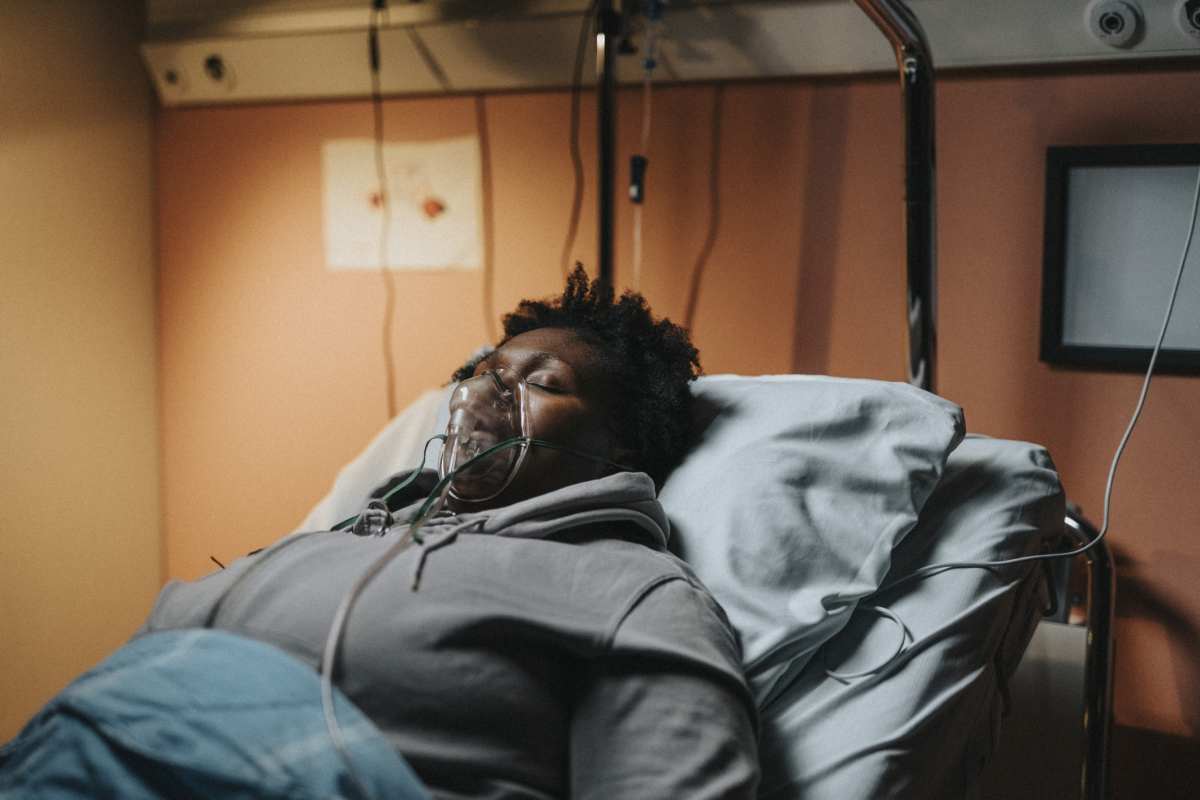
She shared the video recorded on her second day in the hospital, explaining that she was hooked up to an IV and receiving constant fluids to prevent dehydration. She was regularly monitored, and her blood was tested several times during that time. “They have given me so much insulin, it’s very concerning,” she said. Thankfully, her blood sugar had dropped to 200 by then, and she was expected to be discharged once it fell below 150.
She shared updates about her health in another video, which was posted a month later. Her blood sugar levels had stabilized and were largely within range. However, her leg pain worsened, which she attributed to “treatment-induced diabetic neuropathy.” She explained that a rapid drop in blood sugar and A1C levels can lead to nerve damage, ultimately intensifying the pain. She has also launched a GoFundMe to cover the medical expenses. Still, she remains optimistic and likely feels relieved that she didn’t postpone the checkup just to save money for a few more days.
For more videos, you can follow @oujibug on TikTok.