Food truck preferred cash but refused a customer her 50 cents change on a $20 bill — so she found an unexpected way to keep every cent


Returning the correct change is a basic part of a transaction, not a courtesy that businesses can choose to extend. A cup of fancy coffee at an event was supposed to be a simple treat for a woman named Carmen Y. Steward, but a small payment dispute left her questioning the food truck's cash policy. She had no problem paying with cash after noticing a sign saying the truck preferred it. However, when she asked for the full change from her $20 bill, the seller refused to give her the remaining 50 cents. Steward later shared the experience in a Threads post on Saturday, October 31, 2026, under the handle @whatcarmensaid, explaining how she handled the situation.
The coffee cost $8.50, but the seller returned only $11. When Steward asked about the missing coins, the woman told her they "don't give change." She found this hard to understand, especially since the business had clearly asked customers to pay in cash. Rather than argue over the amount, she decided to get her original payment back and use a different method. She then asked for her $20 back and paid for the coffee using contactless payment instead. The seller seemed irritated and had to call her manager because she did not know how to process the refund. Steward also questioned why the truck had not simply priced the drink at $8 or $9 if it could not provide coins. The situation could have been avoided with a little planning, particularly at an event where customers were likely to pay in cash.

Steward later admitted that the coffee was good, but the payment experience had left her with mixed feelings. She was not asking for anything extra, only the correct change for something she had purchased. For customers, even a small amount matters when it is part of the agreed price. Her experience also raised questions about businesses that encourage cash payments without being prepared to handle them properly. While the seller may have found the refund inconvenient, Steward felt it was fair to ask for the full amount she had handed over.
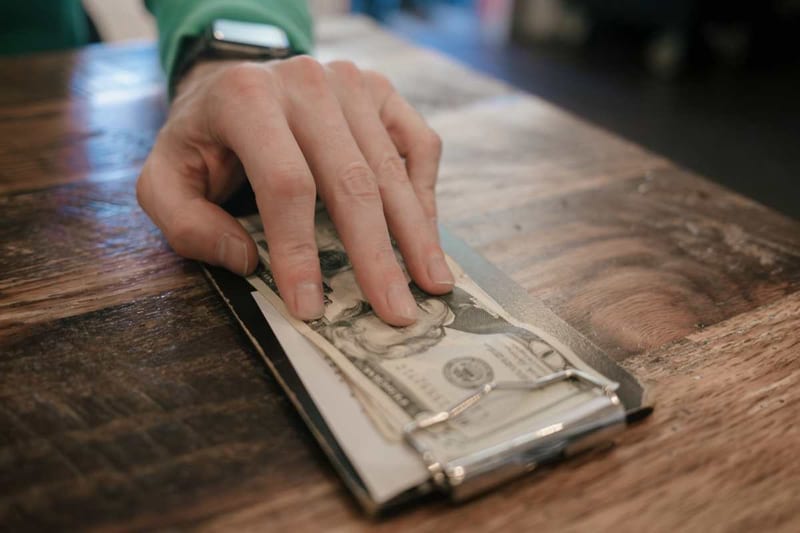
A business cannot expect customers to overlook missing change simply because the amount seems insignificant. In another incident, a customer stopped at a smoothie shop and found themselves in an awkward exchange over a tip. After ordering a drink worth $9, they handed the worker a $20 bill and asked if a nearby container was meant for tips. They planned to leave $3 in the tip jar and receive the balance of their payment back. However, the worker's next question caught them by surprise.
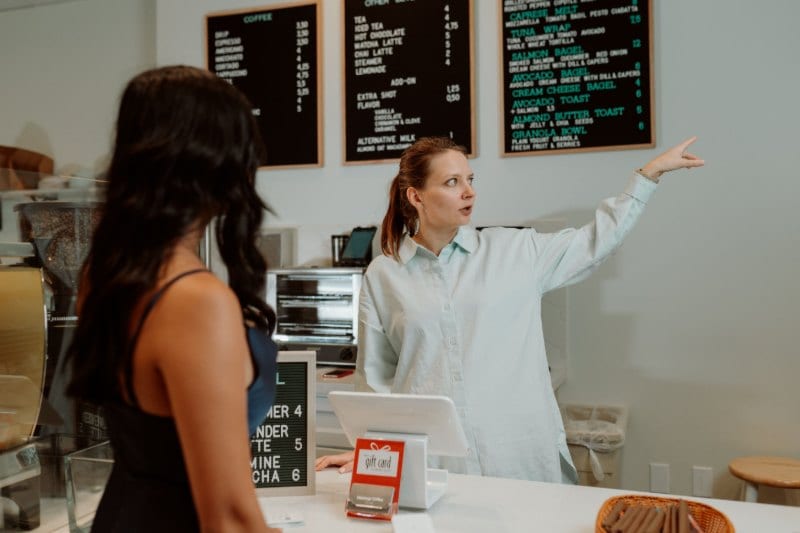
The staff member then asked, "Do you want your change?" The customer felt uncomfortable, especially since they had already planned to leave a 33% tip. When they asked for their change, the worker appeared annoyed. The customer later explained that they were not against tipping but wanted the choice to remain theirs. The exchange left them questioning the expectations placed on customers when tipping.
For more interesting stories, follow @whatcarmensaid on Threads.