Girl asked a dad why his son was playing differently at the trampoline park — when told he was autistic, her simple response left him deeply moved


As a parent, watching your child with different needs struggle to fit into a world built around the way other children play can be difficult. An autistic boy, Oliver, had been playing at the trampoline park for nearly two hours. Recalling the incident under the handle @dr.tommymartin on September 10, 2026, his father, Dr. Tommy Martin, said a girl approached them, asking, “What makes your son different?” He told her that Oliver has Lamb-Shaffer syndrome (LAMSHF), a rare genetic disorder, as well as autism, and that Oliver sometimes does things differently from others because of them. The girl, whom he estimated to be 12 to 14, described his son in a way that reminded him how much we can learn from children.
“Wow, he is different, but I think that's what makes him special,” she said. “He's so cute.” The girl didn't need a complicated explanation about acceptance. She didn't realize how much those words would mean to Oliver's dad. “She probably didn't think anything of it,” he shared. What meant so much to the dad was that, even though his son couldn't play like the other children at the trampoline park, the girl noted he was different but didn’t see that as something wrong. Though the encounter lasted only a few minutes, Martin said that the little girl's attitude offered a lesson for everyone.
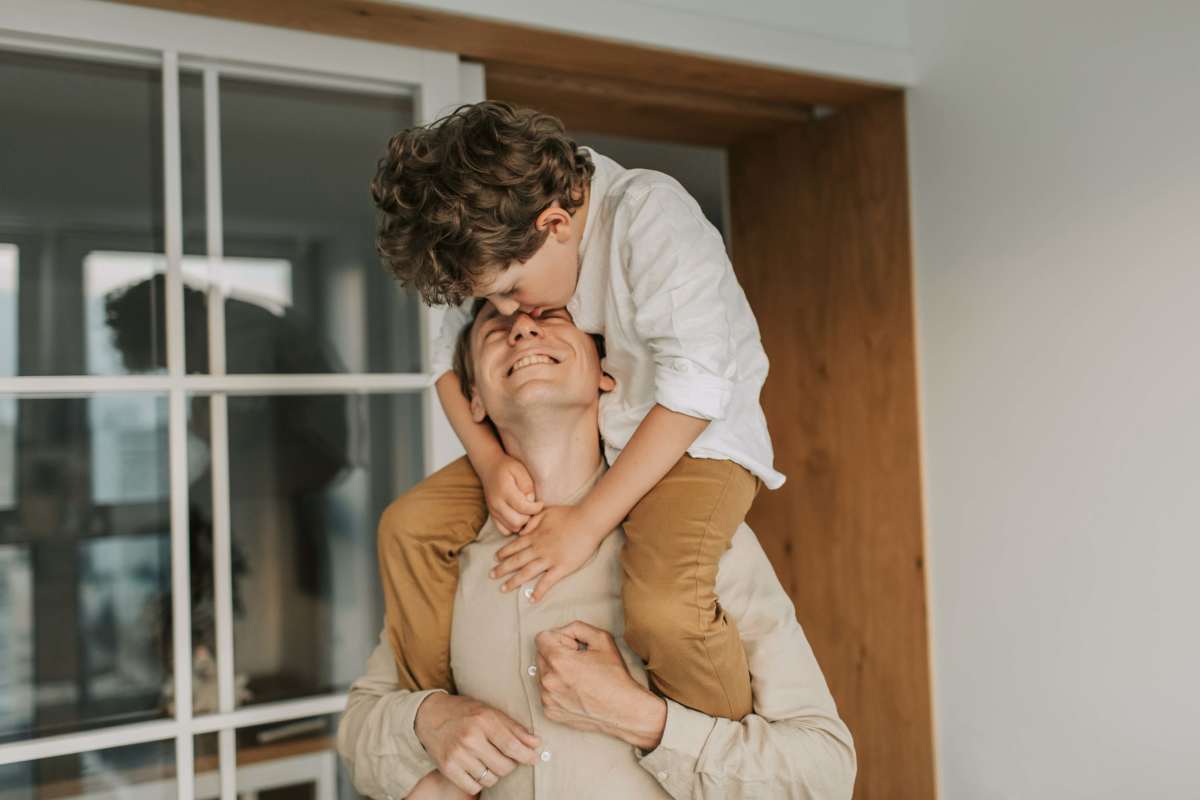
Parents of autistic children have identified social exclusion as a recurring concern, describing worries about their children struggling socially and the impact that can have on their well-being. Studies have shown peer attitudes play an important role in how included autistic children feel. They may find social interaction difficult, even when they have strong abilities in other areas. Those unspoken social rules may not always come easily; that can make everyday moments with other children seem very different. Making room for them to participate in their own way, asking respectful questions, giving them time to respond, and including them in activities can create spaces where differences don't become barriers to connection.

People were especially struck by the girl's choice of words and the way she approached Oliver's dad with curiosity rather than judgment. “That makes my heart so happy; that young girl must have amazing parents that taught her not to judge, but to ask questions and learn,” @lauramcnelis88 wrote. @kristin.g.krauss added, “I loved that she asked about his difference!” Another individual, @thegigglygriggly, pointed out, “‘What makes him different’ is so much better than ‘what’s wrong with him.’ Her parents have probably helped her gain that specific language.”
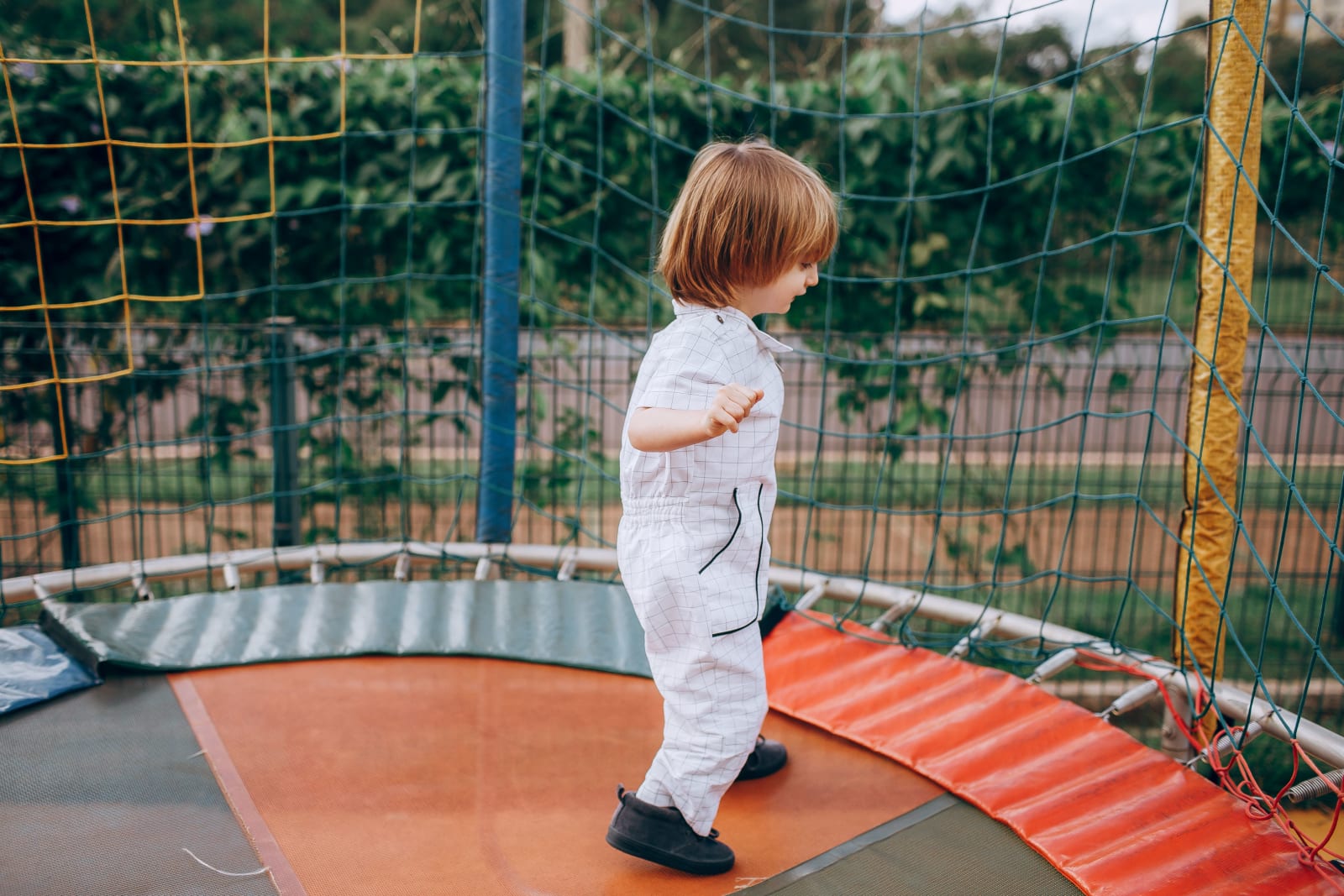
Children can show a kind of acceptance that adults don't expect from them. One mother named Kristy Zikowitz experienced that firsthand when she took her severely nonverbal autistic son, Theo, to a campground. Kristy initially worried that Theo might struggle to connect with other children. But while he was playing in a bounce house, another child approached him and quickly became his friend. Kristy had explained that Theo doesn't communicate verbally. The child's response caught her off guard, as he didn't see that as a reason they couldn't play together. He told her, “Well, that's okay. He doesn't have to talk to me to play together.”
For more such stories, you can follow @dr.tommymartin on Instagram.
More on Amplify
Parents wanted autistic 20-year-old to feel independent—their solution is receiving applause