Independent wheelchair user was shopping at Tesco when an older man offered to help — he didn't take kindly to her asking him the same question

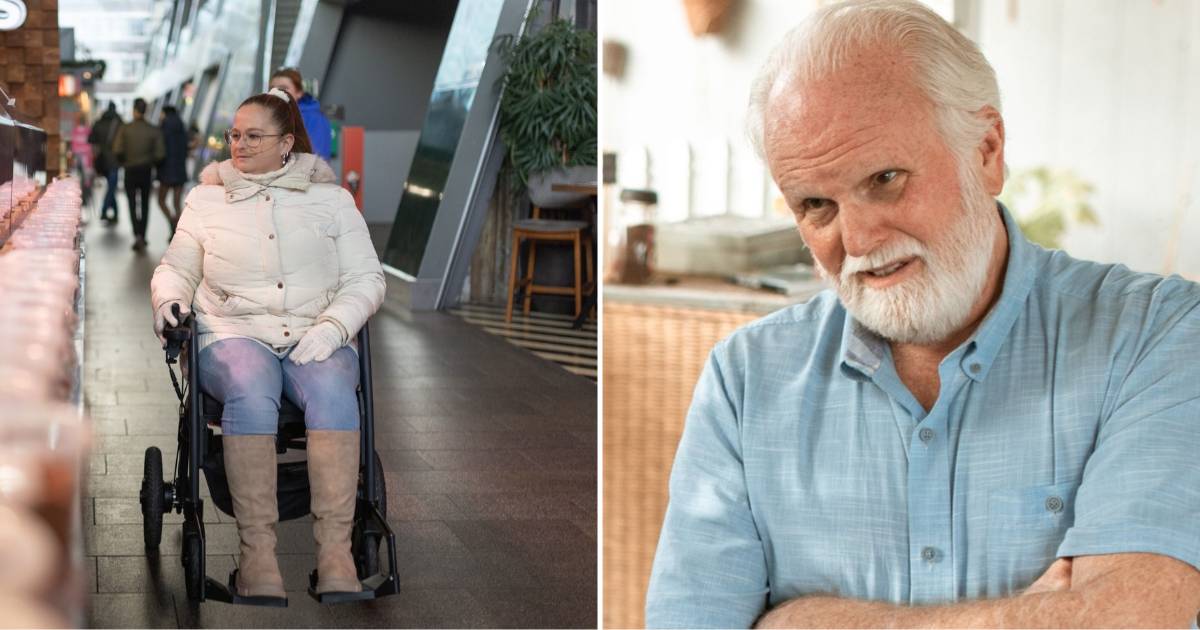
Disabled people deserve the same respect and independence as anyone else, including the right to decide when they need help. Digital creator Gem Turner, who goes by @gem_turner, shared an awkward encounter with her followers on September 30, 2026, after a stranger asked if she needed help at Tesco. While Turner didn’t mind someone offering to help, she was simply going about her shopping and didn’t feel she needed assistance. So when the man approached her with a tone she felt was condescending, she instinctively asked him the same question. His reaction, however, left her stunned.
As a wheelchair user with osteogenesis imperfecta type 3, also known as brittle bone disease, Turner is used to people offering her help and said she doesn’t mind when someone genuinely means well. This time, however, she was simply shopping at Tesco and picking up toasted tea cakes when an older man approached her, got right in her face, and asked, "Are you okay? Do you need any help?" Without thinking, Turner matched his energy and asked if he needed help. But the man didn’t take the question well. He looked her up and down before responding, "Well, I’m asking because, you know…" and gesturing to her disability.
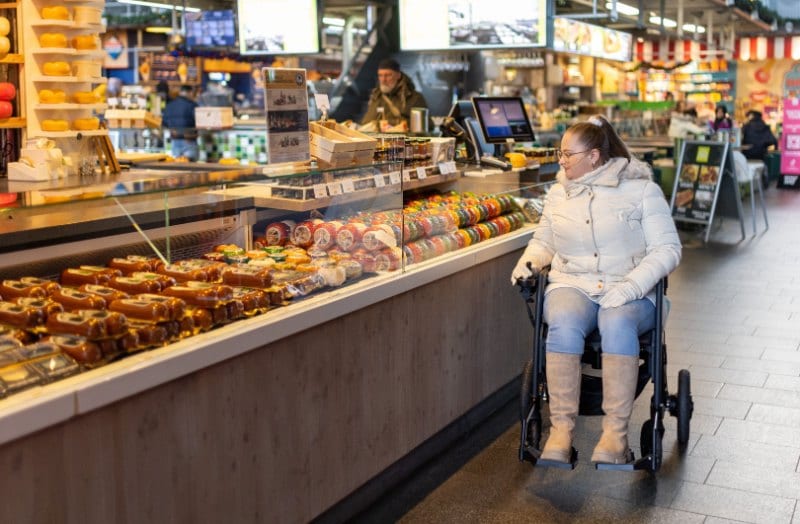
Turner felt he was treating her as though she couldn’t manage a simple shopping trip on her own, and then had the "audacity" to get offended when she turned his offer back on him. As she moved away, she could still hear him muttering under his breath. Turner said she understood that people might genuinely want to help, but she wondered why some assumed disabled people couldn’t manage everyday tasks on their own. The assumption left her frustrated, and she pointed out that most people have a plan for getting through their day. Even if they sometimes need assistance, people shouldn’t take offense when someone declines their offer.
She made her point clear by saying, "If you ask us, don't get pissed off if we say we're all right," adding that people shouldn’t get "doubly pissed off" if a disabled person asks the same question back. The awkward encounter highlights the assumptions disabled people can face in everyday life. Turner has osteogenesis imperfecta, or brittle bone disease, which, according to Cleveland Clinic, is a condition that makes bones fragile and prone to breaking, "sometimes with little or no force." Most people with OI experience relatively mild symptoms, although certain forms can result in serious complications, disabilities, or even death.
Viewers enjoyed her response to the stranger. @kamiorange wrote, “I love that you matched energy and returned the question!” Meanwhile, @malenatural_1846 was annoyed by his behavior and wrote, "Your response/instinct was on point and will teach him a lesson! Audacity is right!" Another viewer, @icewoman94c, joked, "Now he knows how uncomfortable what he said to you was; they automatically assume you needed help."

Turner's experience also shows a wider frustration many disabled people face when others make assumptions about their abilities or treat their needs as an inconvenience. In another story, a neighbor complained about where the man had parked, even after he explained that he needed to help his wheelchair-using wife out of the car. When the neighbor continued to argue and called it a "problem," his wife delivered a sharp comeback, saying, "I got over becoming paralyzed at the age of 12. I'm sure you'll get over this." Both stories show why treating disabled people with respect means listening to them instead of making assumptions about what they can or cannot do.
For more of her content, follow @gem_turner on Instagram.