Mom notices subtle bumps on baby’s head after a difficult delivery, then a pediatrician confirms what she feared


One mother’s journey to welcoming her baby brought her a deeper sense of gratitude and awareness. After a long and challenging pregnancy, Kazlyn McMann, 23, was excited to meet her daughter. But her initial happiness soon gave way to concern as she noticed subtle irregularities in her newborn’s head shape. As reported by PEOPLE on Tuesday, December 23, 2025, the issue became more serious after a visit with a pediatrician confirmed her worries.
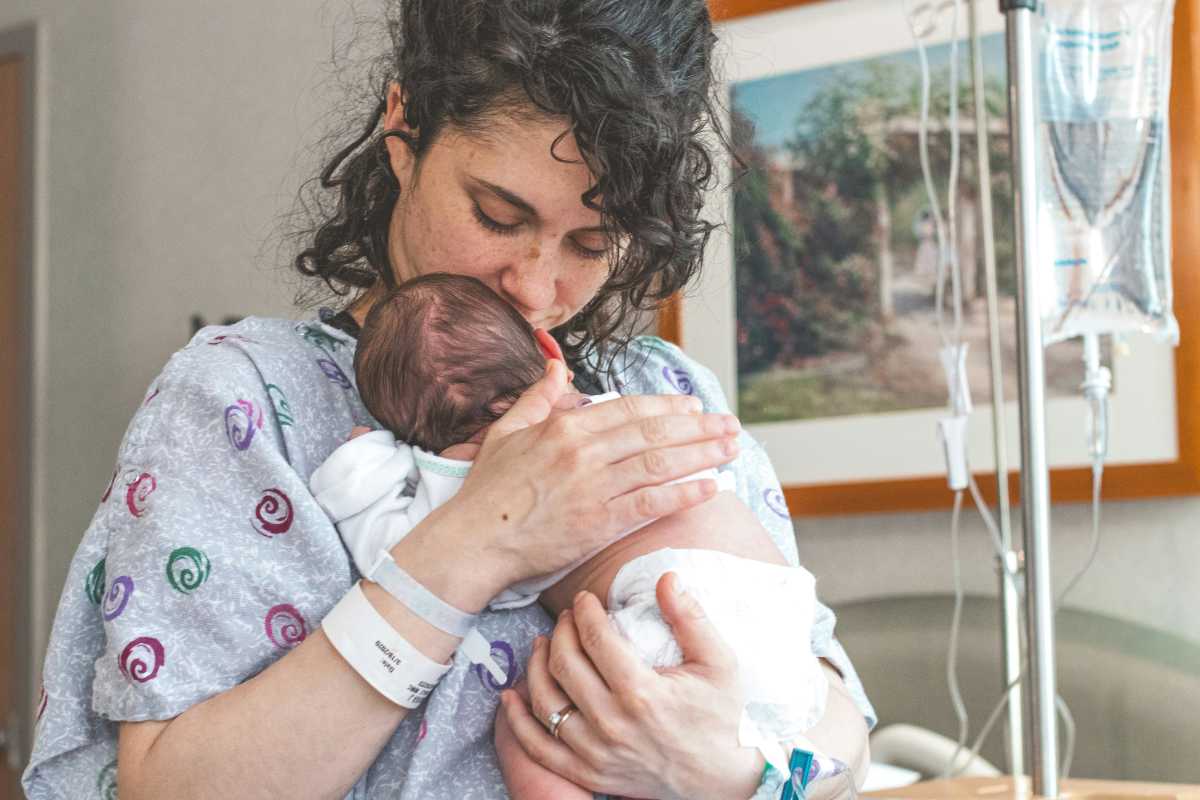
McMann, who lives in Canada, told the outlet that while her pregnancy was “wonderful” overall, her labor was far from easy. She went through the typical symptoms of pregnancy, including swollen feet, weight gain, and morning sickness, but the delivery changed everything. She endured ten hours of labor, two failed epidurals, and even a dose of fentanyl that didn’t work. “I remember the unbearable pain, the screaming and crying, and begging them to make it stop. I could feel that she was stuck on my pelvic bone, unable to descend,” she said.

Complications led to an emergency C-section, an experience she described as “terrifying” because it was unplanned and completely unknown to her. Despite being heavily sedated, she recalls feeling the procedure in unsettling ways, noting, “I could still feel them cutting my skin open, and I could have sworn I was being sawed in half.” The arrival of her daughter, Annara, was her first moment of relief amidst a chaotic day, yet even after birth, new challenges were just beginning.
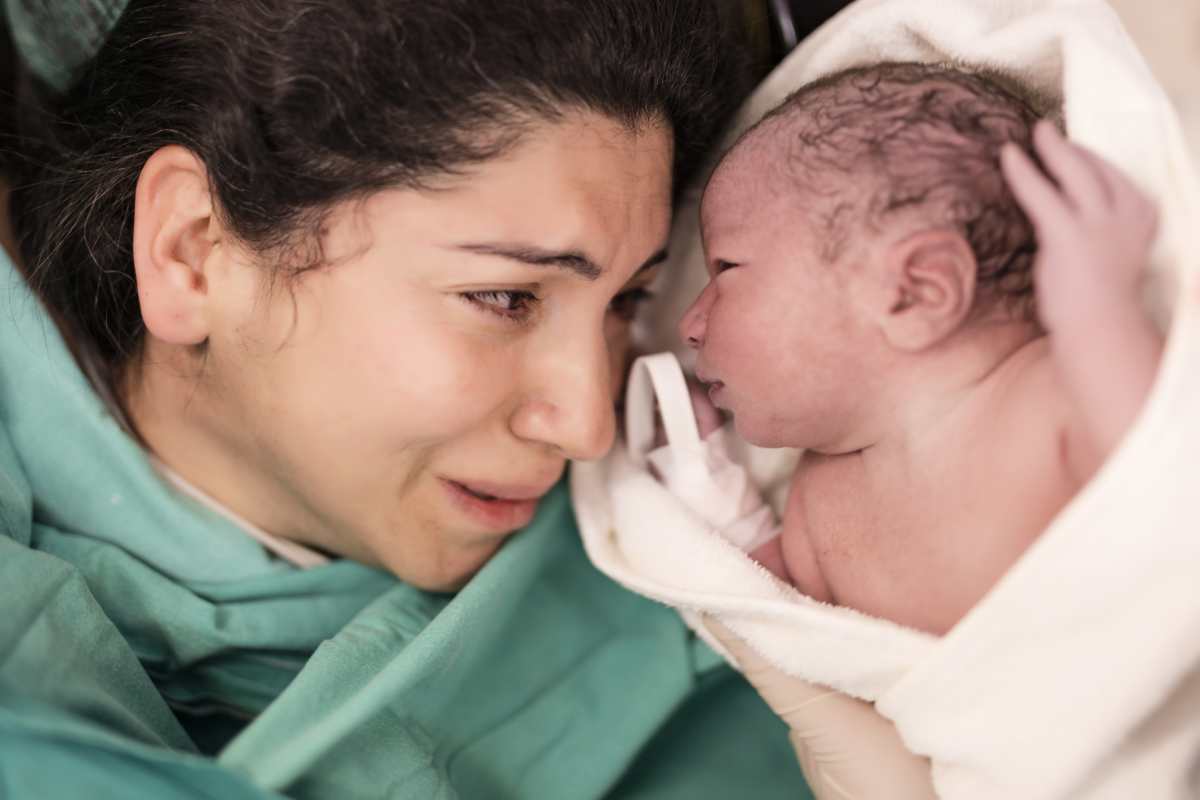
A couple of weeks after the delivery, McMann began to notice lumps on Annara’s head, including a prominent bump on the forehead and another at the back. At first, she tried to dismiss it, knowing babies’ heads can be temporarily misshapen after birth. But unease grew, prompting her to research possible causes. She came across images that looked strikingly similar to her daughter’s head and discovered the condition craniosynostosis, where the joints between skull bones close too early. McMann immediately booked an appointment, and her pediatrician confirmed her suspicion: Annara had sagittal craniosynostosis.
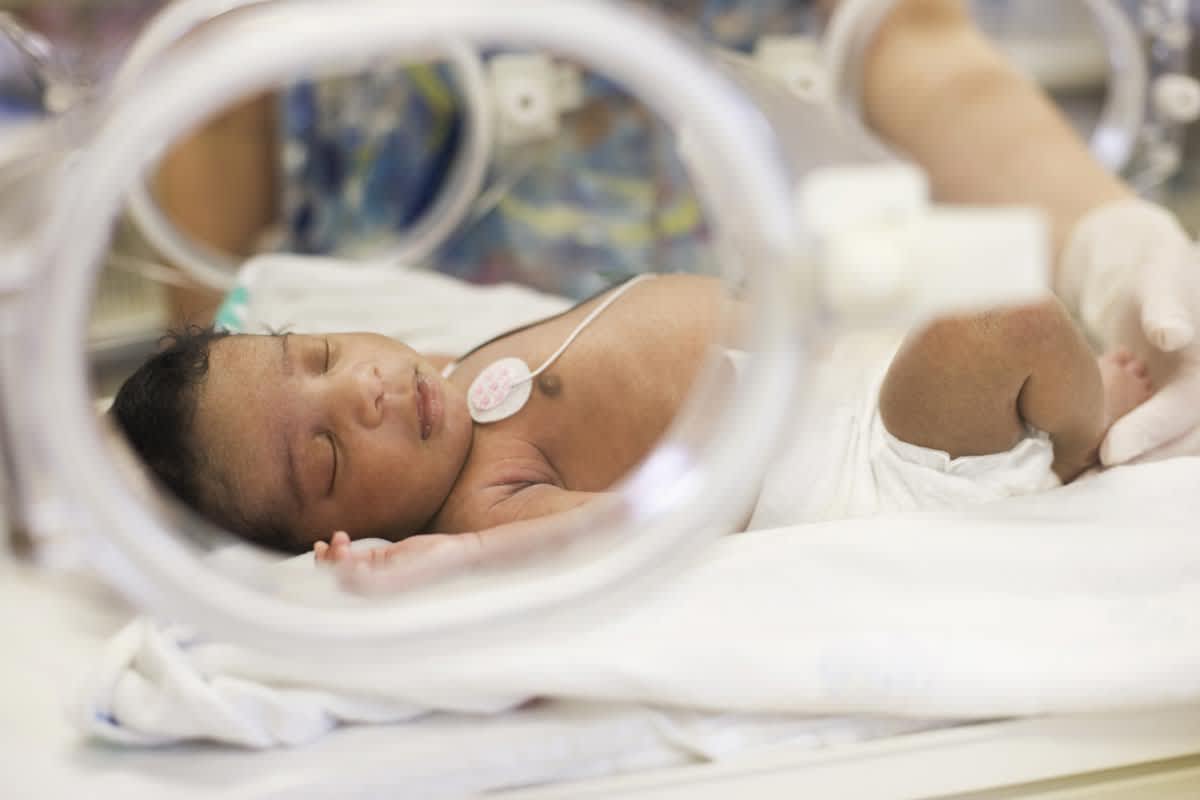
Following the diagnosis, treatment began promptly. Annara underwent surgery to open the skull plates and allow her head to grow normally. McMann also expressed how her traumatic delivery experience "made a lot more sense" to her now. Since then, Annara has been fitted with a corrective helmet to wear 23 hours a day for up to a year. McMann said, “Her head shape is not fixed yet, but it has greatly improved since her surgery.” Despite warnings from others about overreacting, she said, “I’m glad I picked up on it as soon as I had, which allowed for a minimally invasive surgery and a smooth recovery for her. I'm glad I listened to my instinct.”

Reflecting on the past months, McMann emphasized gratitude for her children and the health of her family. She is also thankful for the lessons learned about paying attention to subtle signs. “I think this whole experience has made me grateful that we both came out of it healthy,” she said. With Ender, 2, and Annara recovering well, McMann’s story highlights the importance of early detection and advocating for her children.