Rescuers feared the worst after finding a hiker who spent 17 hours on a Scottish mountain at −4°F — then they saw what he was wearing


Search teams braced themselves for tragedy after locating a hiker who had endured 17 hours on a Scottish mountain in temperatures around −4°F, before noticing a crucial detail that changed their fears. The call for help came during a violent spell of weather that shut down movement across the peaks and left even trained teams struggling. As reported by The Scottish Sun on Friday, January 30, 2026, the incident unfolded in Glencoe during late January 2026, when Storm Chandra tightened its grip on the Highlands. Crews expected the outcome to be grim until they saw what he was wearing.
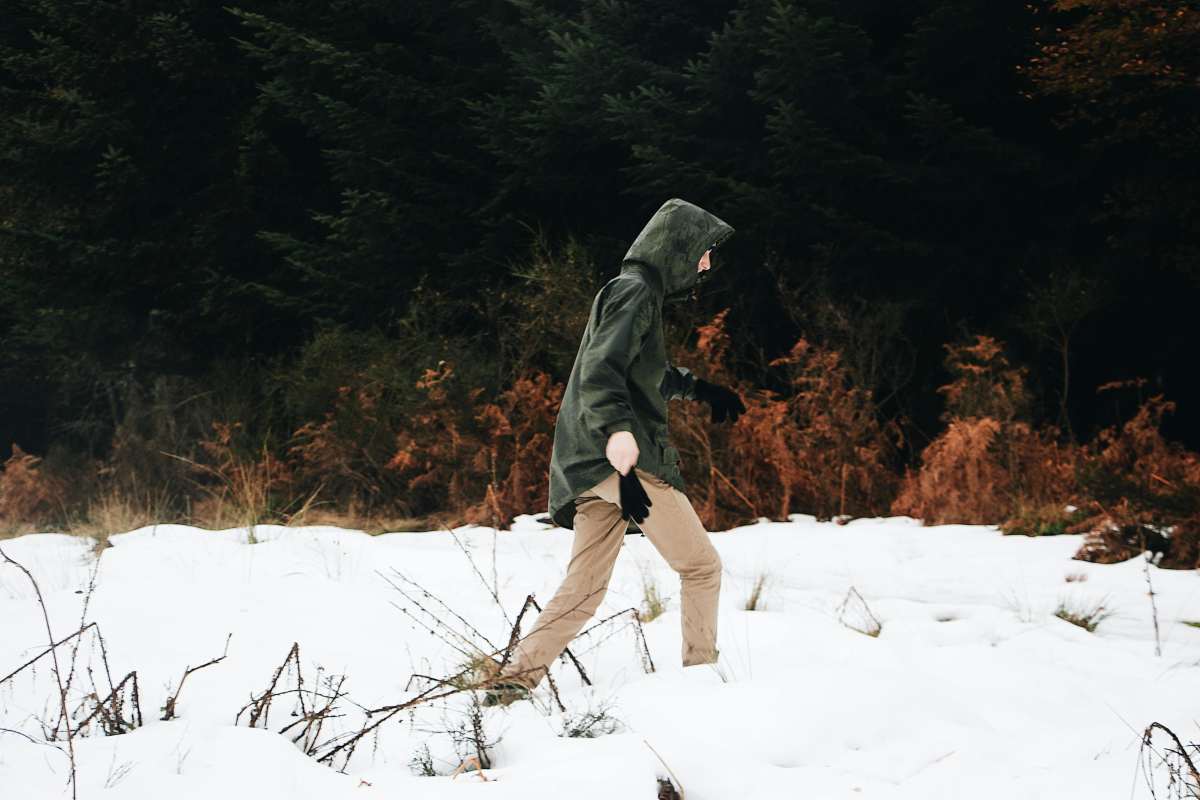
The hillwalker, a man in his 40s from Yorkshire, was stranded on the 3,770 ft summit of Bidean nam Bian. He phoned for help on Tuesday afternoon, January 27, after becoming exhausted while trying to descend. 20 volunteers from Glencoe and Lochaber mountain rescue teams began the climb in whiteout conditions, with deep snow hiding hazards, but the progress was painfully slow. After seven hours, the teams had to stop. Deputy leader Brian Bathurst explained, “There was a high avalanche risk, and we turned back because of the teams’ safety. It was just too dangerous. It was a tough decision to make.” Gusts reached near 100 mph on exposed ridges, rain lashed lower slopes, and blizzards raged above 600 meters. Continuing would have risked more lives.
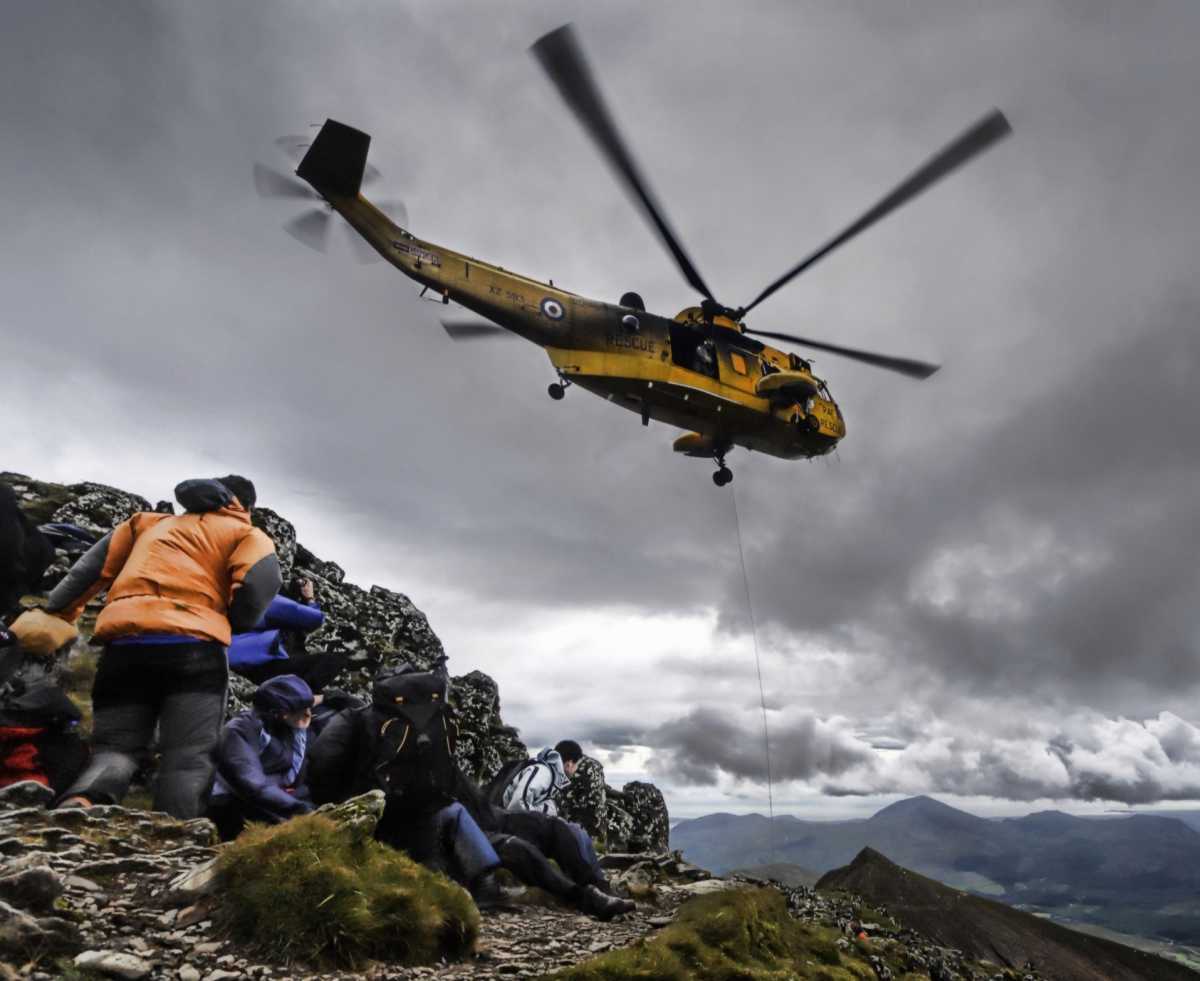
The stranded man stayed where he was, sheltering behind a large boulder near the summit, as per the BBC. He had no tent or emergency shelter and lay exposed to the storm through the night. Wind chill dragged the temperature down to −4°F, and the mountain shook under constant gusts. After speaking with the Met Office, rescuers learned conditions would ease by morning. They withdrew, knowing daylight would reduce avalanche danger. At 5 a.m. the next day, teams returned. An Inverness coastguard helicopter lifted groups as high as possible before they climbed on foot to the top.
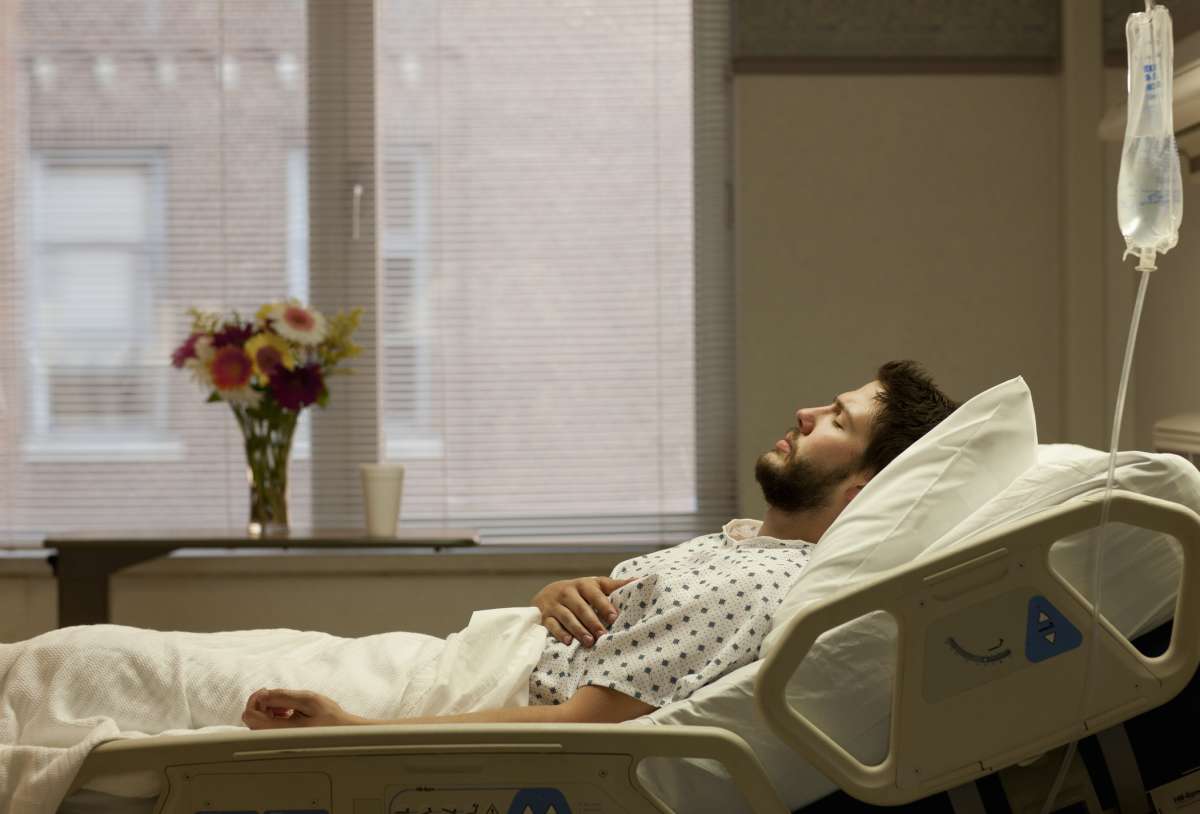
When they reached the summit, they found the walker “very cold but resilient.” He was showing early signs of hypothermia, but was alive. Bathurst said, “What he was wearing saved his life,” highlighting the role of proper gear even without shelter. Re-warming equipment was used before he was stretchered down to a point where the helicopter could winch him aboard. He was flown to the glen, treated by medics, and later taken to Belford Hospital in Fort William. He has since been released and returned home, deeply grateful. "He was greatly appreciative of what we did." Rescuers praised his resilience and the “brave and highly skilled flying” of the helicopter crew, calling his survival against such ferocious weather truly remarkable. "He’s a very lucky and amazing man. We are amazed that he survived. It’s incredible, really."