Teacher called out a student for using her phone in class — but her explanation left the educator worried instead of angry


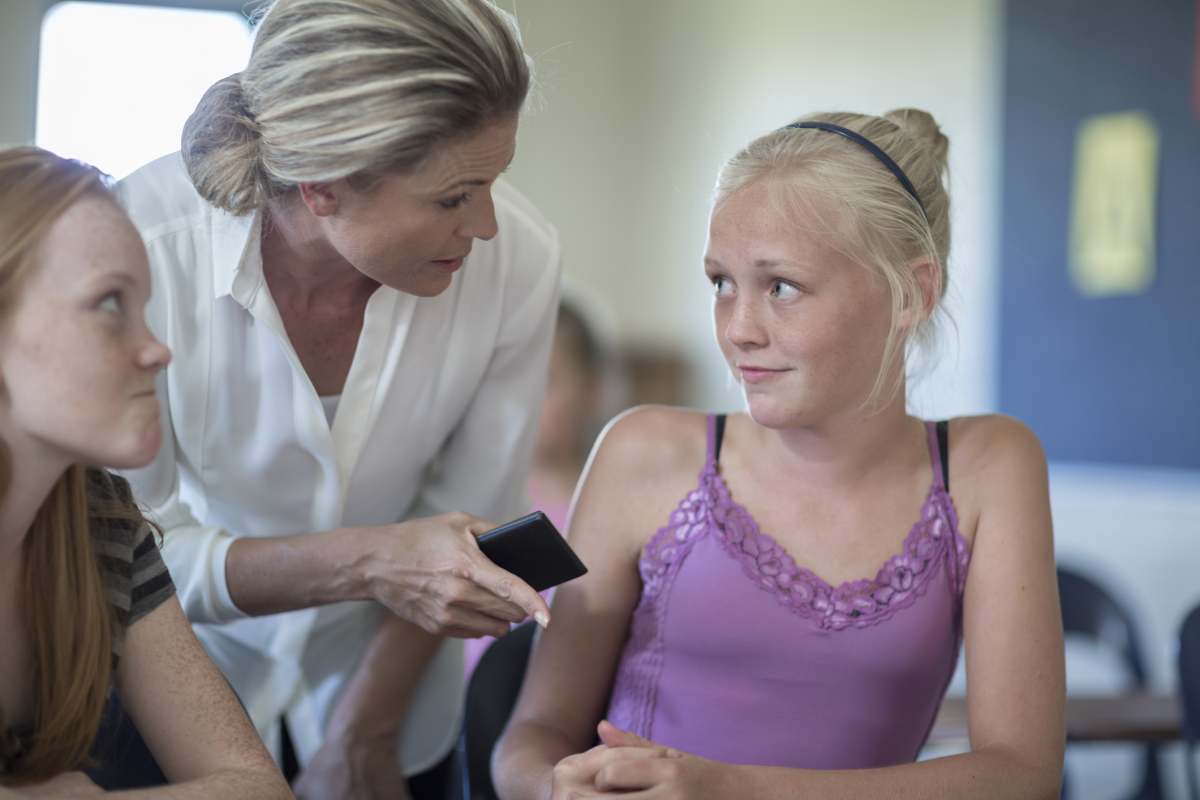
While phones are often a source of distraction in class, this time, one student's explanation had nothing to do with texting friends or scrolling aimlessly. Instead, it led to an unexpected conversation about online loyalty, digital boundaries, and why good intentions can sometimes take the wrong path. Instagram user and high school teacher, Amber, who goes by @amber.maarie, shared that experience after calling out one of her students for being on her phone during class. In the video shared on June 12, 2026, she noted how, instead of apologizing, the girl revealed what she had done for her educator the previous evening, leaving the latter completely stunned.
According to the teacher, the student immediately responded, "How are you going to do me like that when you don't even know what I did for you last night?" Confused, she asked what she meant. That is when the girl said she had come across one of Amber's social media videos and noticed a stranger leaving offensive comments on it. So, wanting to defend her favourite professor, she claimed she clicked on the man's public profile and left rude comments on every one of his videos. The unexpected confession left the woman completely speechless. And while she appreciated the teen's loyalty, she was far more concerned about the risks of engaging with unknown people online.

She used the moment as a teaching opportunity, explaining that social media arguments can quickly escalate because people often hide behind anonymous accounts and their reactions are impossible to predict. Although the student insisted her own identity was protected by not using her real name or photo, the teacher reminded her that avoiding unnecessary interactions online is often the safest choice, regardless of good intentions. Real support is often measured not by how fiercely we fight for someone, but only by knowing when walking away is the wiser choice. Amber's advice reflects what experts describe as an important part of digital citizenship. Guidance from StopBullying.gov notes that educating young people on how to respond online responsibly can help reduce cyberbullying and other harmful interactions.
Research cited by the agency found that 88% of teenagers who use social media have witnessed cruel behaviour online, 67% have seen others join in, and 21% admitted they had participated themselves at least occasionally. Rather than encouraging retaliation, the guidance emphasizes teaching adolescents to report harmful behaviour and avoid escalating conflicts with strangers. Every generation sees the world through a different lens, and that difference can spark conversations neither side anticipated. The most meaningful learning often begins when both teachers and students are willing to understand each other's perspectives.
For more such stories and updates, follow Amber @amber.maarie on Instagram.
More on Amplify
Teacher asks third graders to write down their secrets—their honest notes just broke her heart