Tenant didn’t own a car but their landlord still made them pay for a parking spot — so they found a clever way to make over $1,000 without using it


Sometimes, the things people try hardest to get rid of end up providing benefits they never expected. A Reddit user who goes by u/ExpensiveYear9061 shared one such story on Thursday, July 2, 2026. After moving into a small apartment building without owning a car, they became frustrated by having to pay for an underground parking spot they never used, prompting them to ask their landlord for a rent reduction. However, when they didn't receive one, they turned their frustration into an excellent money-making opportunity.
A parking spot I almost gave up has been covering a decent chunk of my rent
by u/ExpensiveYear9061 in passive_income
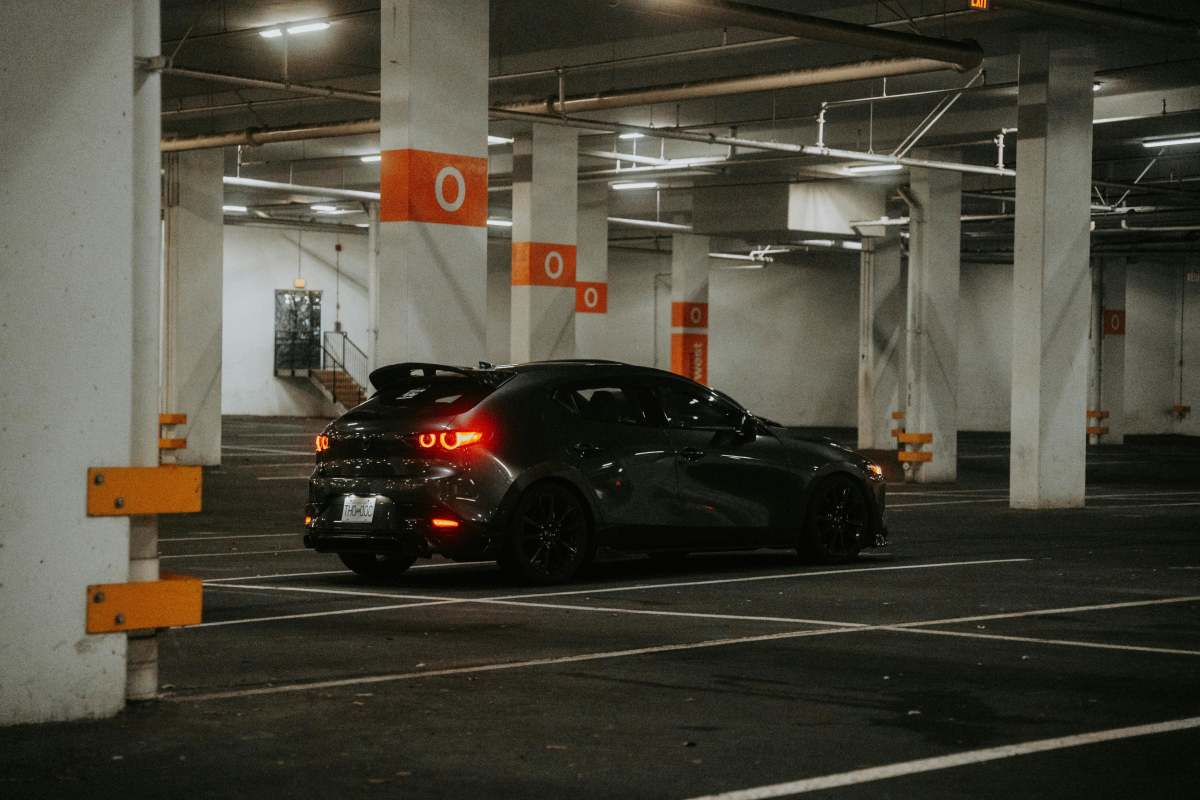
Although the landlord refused to remove the parking spot from the lease, he said they were free to let someone else use it as long as it did not cause any issues. Not long afterward, someone in the building's group chat asked whether anyone had an extra parking space available for his girlfriend, giving the tenant an idea. The arrangement was quickly taken up, and when that renter moved out, another soon replaced them. Seven months later, the parking spot that had sat empty beneath the building had earned them more than $1,000, covering a noticeable portion of their rent without them ever owning a car.
Readers were clearly impressed. u/Last-Year7645 said, "This is exactly what people mean when they say 'look for underused assets.' Nice little income stream from something that would've just sat there." u/Sensate613 advised, "Ask your neighbors who aren't using their spots if you could rent them for, say, $50/month. Then sublet it." u/TacticalTamales wrote, "Just make sure your lease allows it. Some buildings have rules about who can use the garage. But if your landlord is fine with it, that is a great setup!"

The tenant's experience reflects a broader issue facing many renters. According to a UCLA Ziman Center Working Paper, bundled parking adds an estimated $1,700 annually, or roughly 17%, to a housing unit's rent, with many carless renters paying for spaces they neither need nor use. Researchers estimate this results in hundreds of millions of dollars in unnecessary costs each year, making the Reddit user's decision to earn money from the unused spot particularly noteworthy.
Sometimes, landlords and tenants find themselves at odds over rent increases or lease terms. While many renters feel they have little choice but to accept unfavorable decisions, understanding local housing laws can occasionally shift the balance. In another story, a tenant shared how a handwritten note from their landlord unexpectedly led to a costly outcome for the property owner.

According to them, the landlord slipped a note under their door in November stating that their rent would increase by $400 beginning in January. Uncertain whether the notice was valid, they began researching local housing regulations and discovered that rent increases were required to be delivered at least 60 days in advance through certified mail, making the handwritten notice invalid.

The discovery encouraged the tenant to examine other housing regulations affecting the property. During their research, they found several unresolved code violations that should have been addressed shortly after they moved in. After local officials became involved, the landlord reportedly adopted a more cooperative approach and eventually reached an agreement with the tenant. The resolution ultimately cost the property owner approximately $4,000. Renting can be challenging for both tenants and landlords, especially when financial pressures and housing rules create unexpected complications. However, these experiences show that understanding one's rights and finding creative solutions can sometimes make all the difference.
More on Amplify
Detailed chart shows the hourly income Americans need to afford rent and it's alarming