Woman spent 7 years at university earning 2 degrees to become a surgeon — then a patient called her something a male doctor likely wouldn’t hear


A doctor may spend years learning how to care for patients, but earning their trust also means being treated with respect. For one attending surgeon, years of training and long hours at work had prepared her to handle serious medical situations. Yet, an incident during a procedure left her questioning why her professional skills were still being overlooked. Peachy, who shared her experience on Instagram under the username @peachypoler, explained how a patient's words made her feel that her years of hard work had been dismissed.
Peachy spent seven years at university earning two degrees, followed by two years as a junior resident and another two as a senior house officer in surgery. By then, she could perform minor operations, manage emergency shifts independently, and treat patients from their first consultation through procedures. Despite these responsibilities, one patient called her "darling," "sweetheart," and "little girl" while she performed a delicate face operation. The patient was waiting for specialist treatment and praised her work, but Peachy felt the way the patient addressed her was inappropriate. She stopped to point this out, explaining that male doctors would be unlikely to receive the same treatment. For her, the incident was not a harmless choice of words but a reminder that her authority was not always taken seriously, even while she was carrying out a demanding medical task.
Peachy also spoke about the personal cost of reaching this stage in her career. She said the stress of her job and training had contributed to an autoimmune condition, making the dismissive comment feel even more upsetting after years of sacrifice. Being addressed as a child despite her qualifications made her question why she had worked so hard to be treated that way. She told the patient, "I am a doctor, and you will not call me otherwise." However, the patient laughed off her response, leaving her to continue with her work and the many tasks waiting afterward. Women should be able to expect the same professional respect as their male colleagues, regardless of how they look or how young they seem.
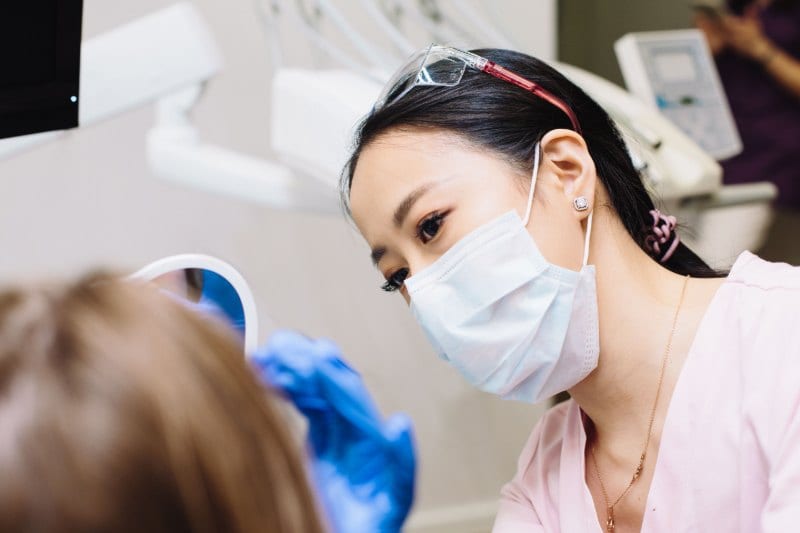
Young health workers in the field can often face unwanted disrespect. In another incident, a dentist was caught off guard when a patient questioned his professional title during a routine appointment. He had been explaining the treatment plan when the patient asked for his name again, making the conversation uncomfortable. The dentist answered politely, but the patient's next comment left him wondering why his age mattered more than his qualifications.

The patient said, "I will be calling you Ivan from now on because you are way too young to be referred to as a doctor." The dentist laughed in response, but admitted that the remark had bothered him. He explained that the issue was not whether patients used his title, but how they spoke to him. He also pointed out, "I can't really do anything about my age other than continue to be alive." Afterward, he kept thinking about whether he could have handled the situation differently. His experience showed how assumptions about age can affect the way young professionals are treated.
For more interesting stories, follow @peachypoler on her Instagram account.