Doctor criticized woman's diet, exercise and blood pressure — after she lost 20 pounds on weight-loss medication, his remarks left her baffled


A doctor's attitude can affect how comfortable a patient feels discussing their health and asking for help. One woman noticed a major change in how her doctor treated her after she lost 20 pounds while taking weight-loss medication. Before losing weight, she felt her efforts to stay active and manage her health were met with criticism rather than support. However, after the weight loss, his approach seemed noticeably different, leaving her confused about what had changed. A Reddit user, u/countofmoldycrisco, shared the experience in a post on September 14, 2026, describing how the same doctor responded differently to her health concerns once her weight changed.
I lost 20 pounds and my doctor's attitude change was DRAMATIC
by u/countofmoldycrisco in TwoXChromosomes
The woman explained that her doctor had previously advised her to eat more vegetables and cut back on fast food without asking about her usual diet. He also suggested replacing running with water aerobics because of concerns about her joints. Even when her blood pressure was good, she felt he made it sound less than ideal. After she lost 20 pounds, however, his comments changed. He began praising her, saying, "You're making very healthy choices. Now you're exercising." She was puzzled because she had been running, doing yoga, and lifting weights every day for more than a decade. The main change was that she had started taking tirzepatide, which reduced her appetite, while her regular food choices remained the same.

The woman was also frustrated that her doctor only offered to investigate her joint pain after she lost weight, even though the problem had not improved. She wondered why he had not ordered blood tests earlier. His response to her blood pressure changed, too, as he now said it had always been good and suggested the nurse had not allowed enough time before measuring it. He also smiled more, chatted with her, and showed greater interest in her life. Patients deserve to have their concerns taken seriously regardless of their body size, and this change left her questioning why that respect had not been there before.
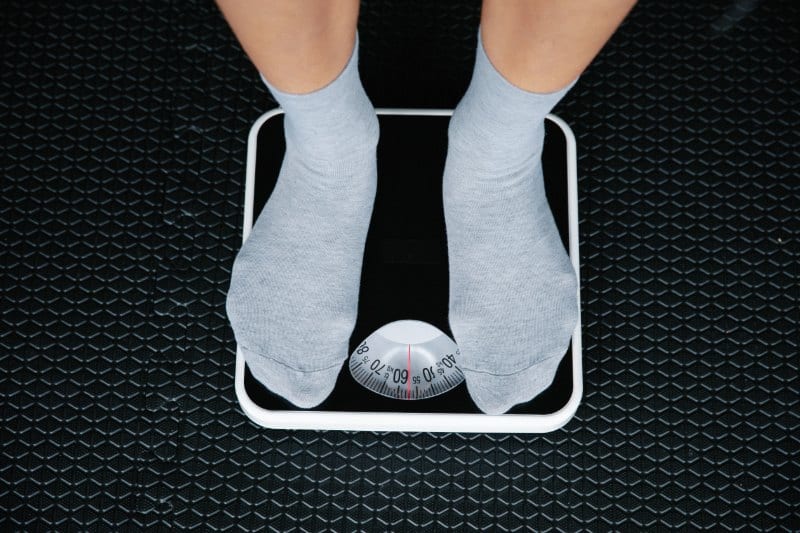
In her post, the woman made it clear that she was not against improving her health but disliked how differently her doctor treated her after the weight loss. She believed he was confusing the appetite changes caused by the medication with better food choices. The experience left her feeling that she had needed to lose weight to receive the attention and care she had wanted all along. She emphasized, "It's infuriating. I shouldn't have had to lose 20 pounds to get this version of my doctor."

Patients should be treated equally, but sadly that is not always the case. In another incident, a woman's health concerns were taken seriously only after her husband joined her virtual appointment about perimenopause. He was upset that she needed his presence to receive proper care. He said, "For my wife to get treatment for the things going on with her body, I have to be there; I have to make it my problem," highlighting how women can be dismissed even when discussing their own health needs.
For more such stories, follow u/countofmoldycrisco on her Reddit account.