Woman thought her boyfriend was helping her through her darkest days — until a TikTok exposed his cruel hidden motive


Support is not just about listening when someone is hurting. It is also about respecting the vulnerability that comes with being trusted in the first place. A healthcare worker and Reddit user who goes by u/qyron_3 shared a story on the Reddit community r/TwoHotTakes on December 1, 2025. It was later featured by PEOPLE on December 6, 2025. While experiencing severe burnout, she leaned heavily on her boyfriend for support, trusting him with some of her most personal thoughts. While he always seemed caring and attentive, one TikTok video soon left her feeling completely betrayed.
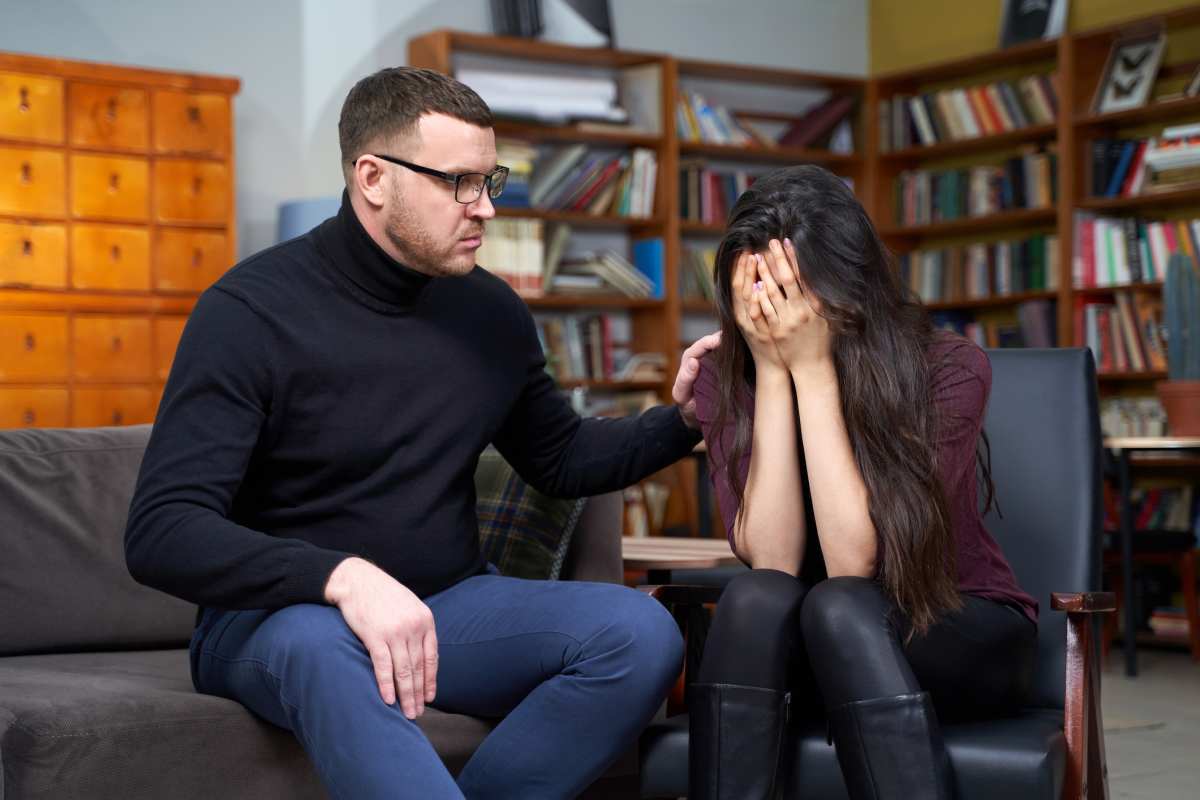
The woman stumbled upon one of her boyfriend's TikTok videos. During one particularly difficult week, she had described her burnout by saying she felt like "a used-up phone battery that never fully charges again." To her surprise, he had turned the deeply personal analogy into an inspirational voiceover, crediting his girlfriend. Once she noticed it, other things began falling into place. He started asking increasingly thoughtful questions whenever she opened up about her struggles, only for similar phrases and observations to later appear in his clips.

Although he never mentioned her by name, the content became recognizable enough that friends began connecting the dots. One coworker even approached her directly, saying a viral TikTok sounded exactly like her. The 27-year-old explained that she had been dating her boyfriend for three years and initially felt grateful for how supportive he seemed during her struggle. He often stepped in when she was exhausted, whether that meant making dinner after a difficult shift or picking her up from work. Around the same time, however, he launched a small mental health TikTok account that initially featured simple motivational content. Over time, he began to use her dilemma to his advantage.

The burnout from her healthcare job had left her emotionally drained and overwhelmed to the point that she was experiencing panic attacks and crying before shifts. Those were not casual complaints or passing frustrations. So she could never accept seeing pieces of that pain transformed into social media content. When the woman confronted her boyfriend about feeling exposed, he reportedly dismissed her concerns. He argued that she should be proud that her experiences were helping others and suggested she was overreacting. His response only deepened her discomfort. It changed the way she viewed their conversations and left her questioning whether she could confide in him anymore. This shows that most people expect their vulnerable thoughts to remain private unless they choose otherwise. And once that expectation is broken, the damage can be difficult to undo, no matter how positive the intentions may have been.
More on Amplify
This article originally appeared 2 months ago.