Woman threatened to report a bartender for refusing to overfill her wine glass — so she handed her a napkin that ended the argument


Working behind a bar means handling far more than drink orders. Bartenders regularly navigate conflicts, complaints, and unpredictable behavior. TikTok user Alix Macolino, who goes by @captain_ahabb, shared one such incident from her regular casino job on April 6, 2026. What started as her refusing to fill the woman's wine glass to the brim due to a policy spiraled into a series of unfortunate events, none of which were actually her fault. It was when the customer threatened to file a complaint that she finally snapped and delivered a response the woman clearly wasn't expecting.

The disagreement escalated after a customer complained about being charged for a premium wine and threatened to report the bartender's behavior to management for not filling her glass the way she wanted, even though that would have been illegal. So, rather than shrinking under the pressure, Macolino immediately grabbed a napkin, wrote down her name and employee number, and handed it over. She then encouraged the customer to tell management exactly what happened, including the fact that she had refused to overpour alcohol and initially declined to comp a drink that wasn't eligible under casino policy.

The bartender had already agreed to comp the wine in an effort to de-escalate the situation. According to her account, the customer's friend eventually stepped in and pointed out the obvious, reminding her that she had gotten what she wanted and suggesting they simply let the matter go. Reflecting on the encounter, the bartender explained that she had reached a point where she matched the energy customers brought to her bar, something she said many people did not appreciate. Her frustration resonated with countless service workers who often become the target of anger over policies or regulations they have no power to change.

Research released in 2025 by Perceptyx, based on responses from 21,000 frontline employees, found that 53% of workers who deal directly with the public had recently encountered customers who were verbally abusive, threatening, or unruly. Perhaps more troubling, a separate study by the Institute of Customer Service found that 36% of frontline staff experienced customer hostility or abuse within a six-month period, yet more than half chose not to report those incidents because they did not believe doing so would make a difference.
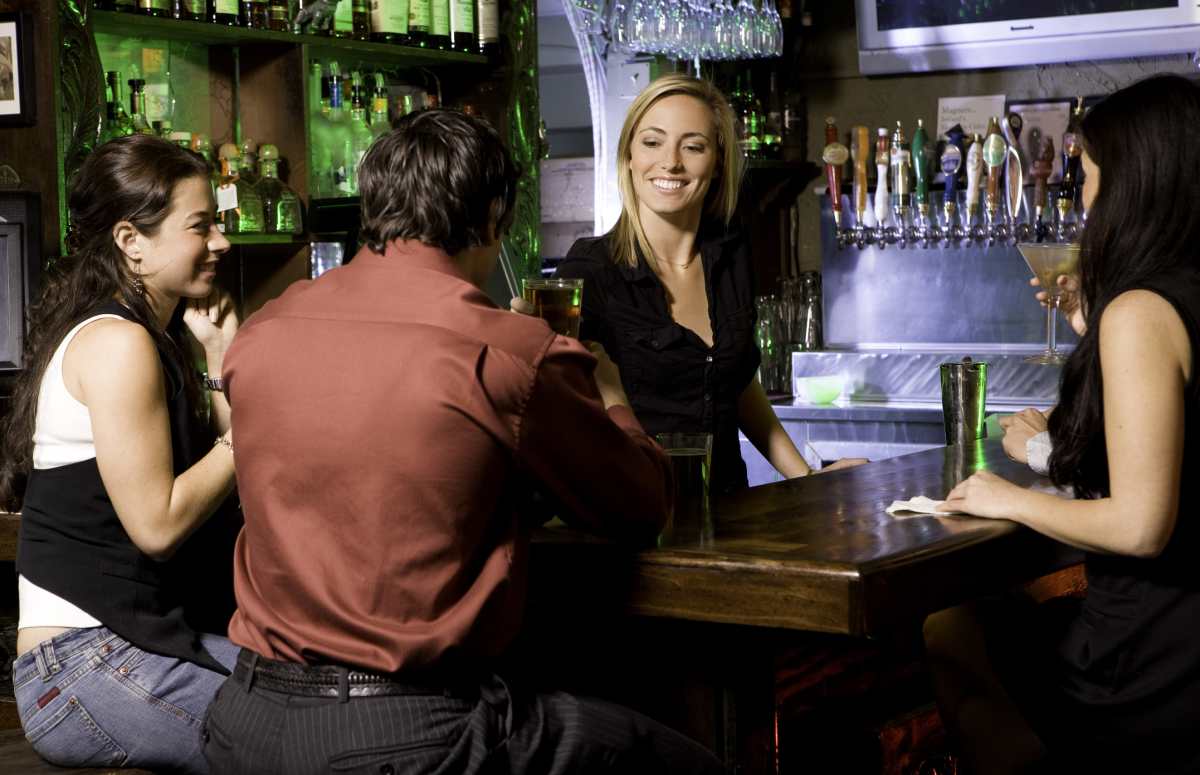
Viewed through that lens, Macolino's reaction felt less like an attempt to put a difficult customer in her place and more like the release of a frustration that had been building through countless interactions where workers were expected to absorb hostility simply for doing their jobs. Yet, one uncomfortable truth sits at the center of countless customer service disputes: the easiest person to blame is rarely the one making the decisions. The woman in this story could not change the casino's policy or alcohol regulations. She could only enforce them, which is why she acted that way. That distinction may seem obvious from the outside, yet it often disappears the moment frustration enters the conversation.
For more such videos, you can follow @captain_ahabb on TikTok.
More on Amplify
This article originally appeared 2 months ago.