After 150+ doctor visits failed to explain her daughter’s symptoms, a mom turned to ChatGPT — it spotted a clue doctors had missed


Artificial intelligence is taking over the world in almost every industry one can think of. But this time, AI helped figure out something that doctors had missed. For Hilary Eaton, a Boston biotech executive and scientist by training, the search for answers about her 7-year-old daughter Olivia's hearing loss, developmental delays, and frequent illnesses had led to more than 150 doctor appointments a year and dozens of specialists. According to PEOPLE, she then turned to ChatGPT to help make sense of years of medical information, and it pointed her toward clues that gave her doctors a new direction to investigate.

Hilary had spent years trying to understand what was happening with Olivia. Despite seeing 49 specialists, undergoing genetic testing and bloodwork, and visiting Boston Children's Hospital, the family still didn't have one explanation that connected everything. Hilary eventually turned to ChatGPT and asked it to look for patterns in Olivia's medical history. It pointed her toward problems with Olivia's immune system and some genetic clues that could be worth checking. Hilary didn't take ChatGPT's response as a diagnosis, but used it to figure out what questions to ask her doctors. Further testing by Olivia's medical team later confirmed that she had Common Variable Immunodeficiency, or CVID, along with related genetic findings.

Olivia's recurring health issues had started early. She failed her newborn hearing screening, and by 9 months old, she could only hear very loud sounds. She also had major developmental delays and, at 22 months, still couldn't crawl or walk. Doctors considered several conditions, but nothing explained all of Olivia's symptoms. When the first genetic tests found nothing, Hilary and her husband paid out of pocket for a more detailed genetic test that looked at her entire DNA.
According to Cleveland Clinic, CVID refers to a group of genetic disorders in which the immune system does not produce antibodies. The diagnosis of CVID eventually gave the family an explanation for her frequent illnesses, and monthly IVIG infusions made a major difference. Before treatment, Olivia missed so much school that the family received truancy emails. The following year, she missed only about three days. "That's it," Hilary told the outlet. "It was so life-changing in the difference."

But the search didn't stop there. When Olivia later developed motor tics, Hilary again used ChatGPT to organize her history and prepare questions for her neurologist. It suggested asking about a baseline EEG, which the neurologist agreed to. The test revealed abnormal brain activity, mostly during sleep, offering an explanation for Olivia's disrupted sleep. Medication later helped her sleep.
Olivia now understands that her body works differently and that her infusions help protect her. When Hilary asked if she wanted to share her story, Olivia had one question: "If people heard my story, would somebody make a medicine for me?" Hilary couldn't promise that, but she hoped sharing Olivia's story could help other families and encourage more research. She stressed that ChatGPT wasn't a replacement for Olivia's doctors. It was a tool that helped her organize years of information and ask better questions, and it matters how people use AI.
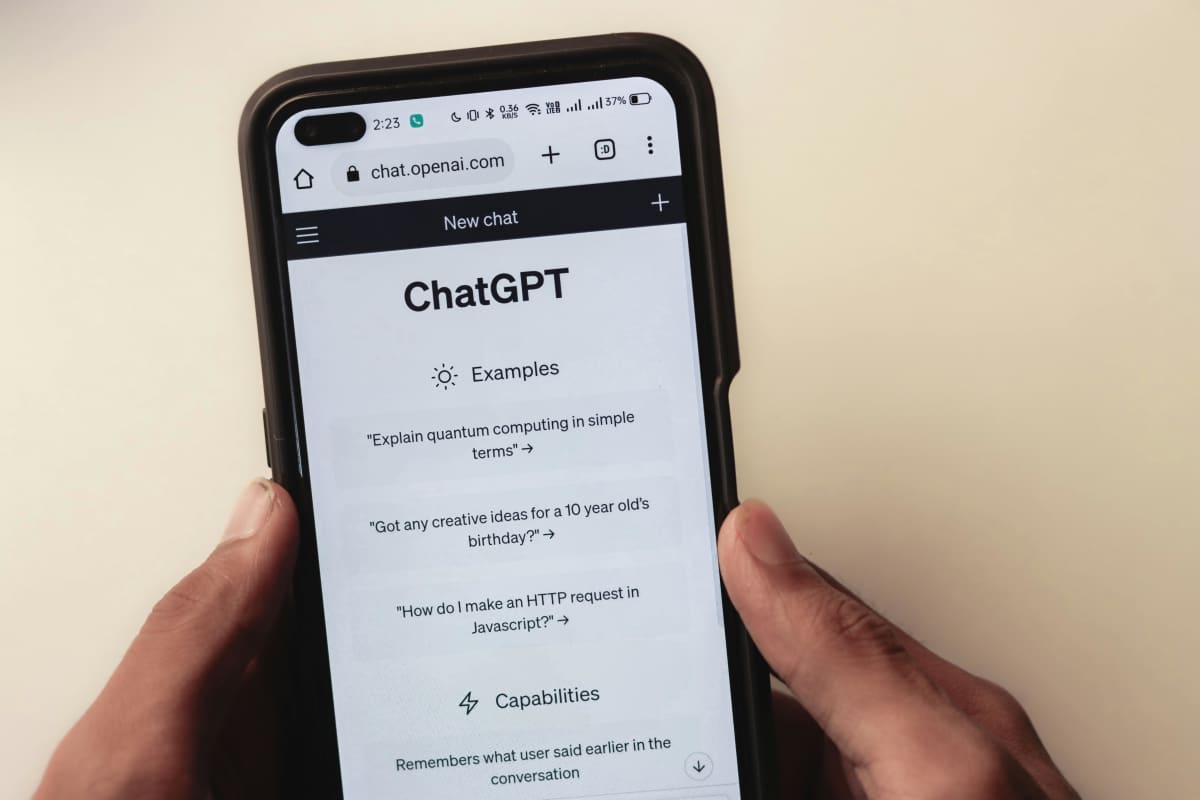
While AI cannot replace doctors, it has previously helped many families find clues when traditional medical care hasn't provided clear answers. In another story, a woman named Siya turned to ChatGPT after her mother had suffered from a nonstop cough for a year and a half and several treatments had failed. The AI pointed to a possible connection with her blood pressure medication, which a doctor later confirmed and changed, allowing her mother to finally start recovering.
More on Amplify
Texas teen entered his sick dad’s symptoms into ChatGPT — the outcome shaped his entire career