New mom feared she had killed her baby months after birth — then doctors gave her the postpartum diagnosis that finally explained everything


Motherhood is often described as one of the happiest phases of a person’s life, which is exactly why so many women struggle to understand when something feels otherwise. Exhaustion, anxiety, emotional overwhelm, and mood swings are so commonly associated with childbirth that serious warning signs can easily get dismissed as “normal.” The same happened to Jade Lloyd when she became a mother to little Penelope in 2020. At first, she and the doctors she met didn't pay much attention to her symptoms, even though deep down she knew something was not right. Sharing on Happy Mum, Happy Baby in July 2025, it wasn't until she thought she had almost "killed" her newborn that an actual diagnosis took place.
Looking back, there had been several signs that Lloyd was struggling far beyond ordinary blues. After a traumatic labor, she became overwhelmed with guilt over a graze and a black eye her newborn daughter developed during birth. She was convinced she had already failed as a mother, according to This Morning. Over time, the symptoms became far more frightening. Four months after giving birth, the mom recalled hallucinating while feeding her baby at night and believing she had moved the infant somewhere she had not. In another vivid episode, she believed she was John Legend performing onstage. She was finally taken to a ward, which she thought was a prison. She feared she was in "prison" because she killed her baby, until she was diagnosed with postpartum psychosis, giving her long-awaited answers.
What makes Lloyd’s story even more unsettling is that she repeatedly reached out for help, only to have her concerns brushed aside. At one point, when she asked whether she could be experiencing postnatal depression, she was reportedly told not to “put a label on it” and was advised to have “a glass of wine, some chocolate and a bath.” Those responses repeatedly made her question her own instincts, despite knowing deep down that something felt seriously wrong. It was not until her symptoms escalated into a psychotic episode that she was finally admitted to a mother-and-baby unit for proper treatment. Stories like Lloyd’s continue highlighting a larger issue where women’s physical and mental health concerns are too often misdiagnosed until they become impossible to ignore.
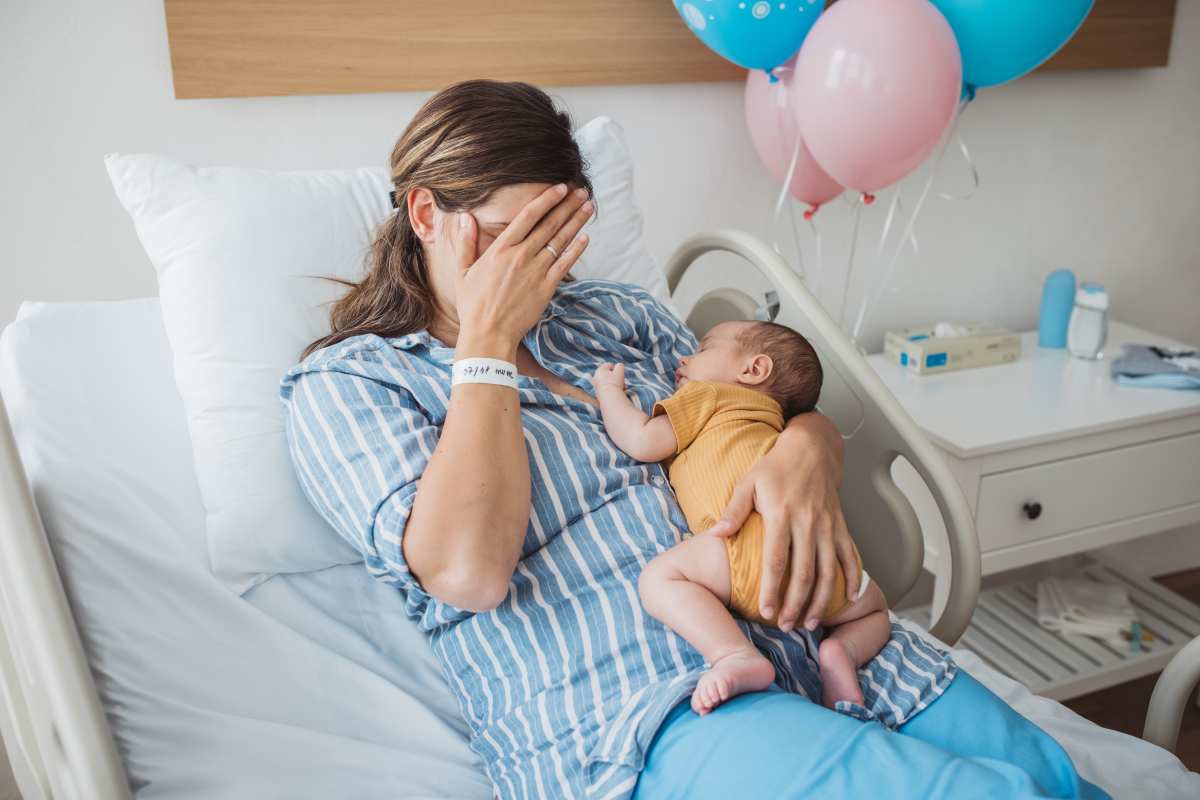
Lloyd later confessed that being admitted to the mother-and-baby unit ultimately helped her realize she was not “going crazy” after all. For Lloyd, finally receiving the correct diagnosis changed everything, especially after living with the terrifying belief that she had somehow harmed her newborn daughter. The treatment and support she received not only helped stabilize her mental health but also allowed her to reconnect with her daughter and continue building that bond as Penelope grew older.

Today, Lloyd openly shares her experience with postpartum struggles on social media to help other mothers recognize symptoms earlier and seek support without shame. By speaking about the fear and hallucinations she experienced after childbirth, she hopes fewer women will be dismissed when something feels wrong. Her story is also a reminder that serious mental and physical symptoms surrounding pregnancy should never automatically be brushed off as “normal motherhood.”
For more content on maternal health and well-being, follow Jade Lloyd (@jadealloyd) on Instagram.