Nurse who collapsed outside home made one statement immediately after regaining consciousness—it saved her life

The first thing to do in an emergency is to identify what is wrong with the person. Without knowing the cause, providing random emergency treatments can be dangerous. When a nurse, Tania Hanson, collapsed outside her home, people had no idea what had happened to her, BBC News revealed. Though passersby and neighbors had arrived at the scene, before they could do anything, they had to identify the problem. Fortunately, the woman regained consciousness soon and was able to make a single statement to get herself timely and life-saving help.
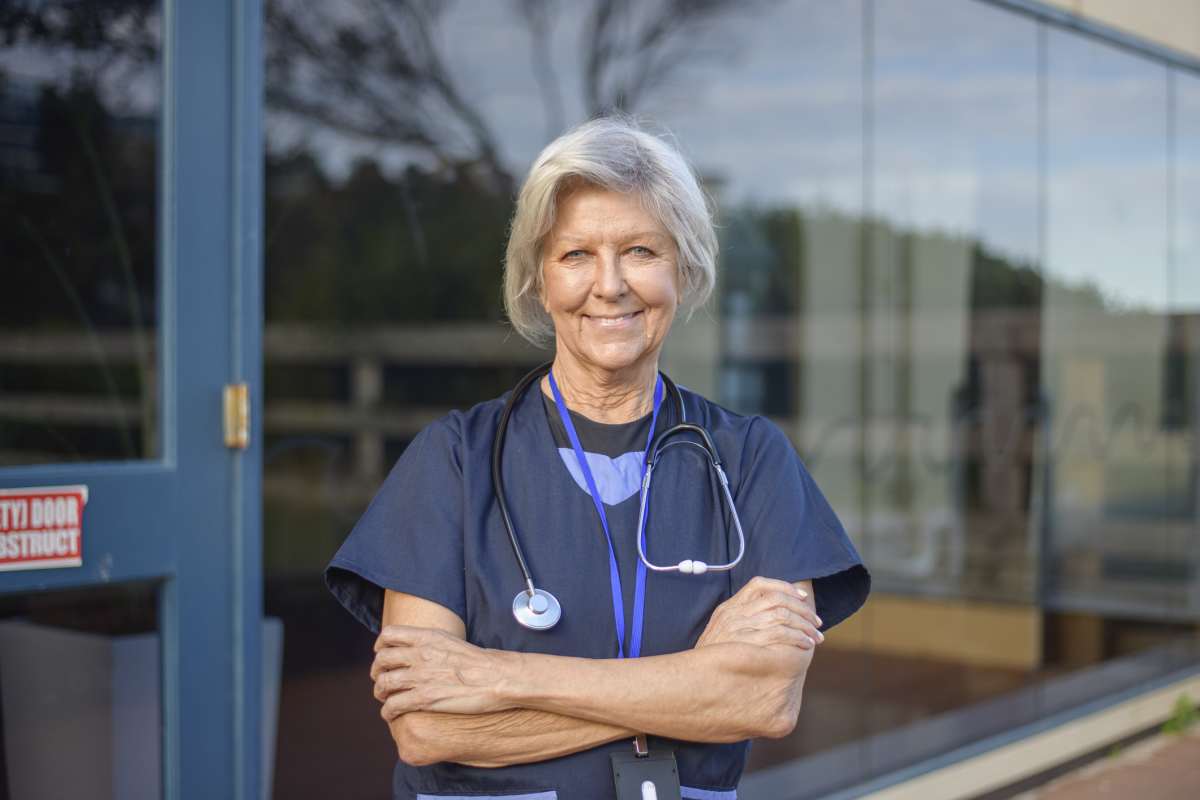
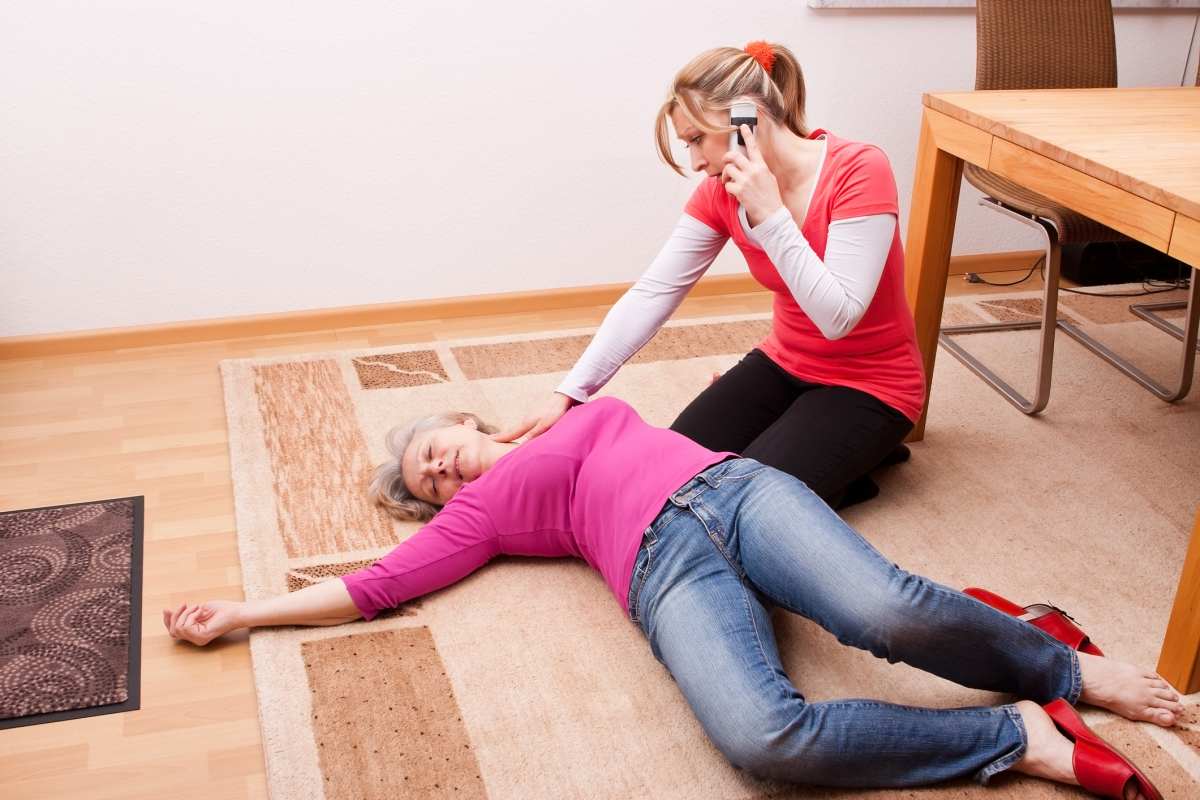
Hanson was done shopping and was returning home when she started to feel uneasy. The nurse had some idea what was happening to her. She had a medical background and narrowed down what the problem might be. Unfortunately, she was on her own and couldn’t alert anyone. The woman was having chest pain and before she could get inside her home, she collapsed. Hanson suspected she was having a heart attack but went unconscious before she could do anything. She knew the symptoms but it happened in a jiffy. People who saw what happened rushed to help.
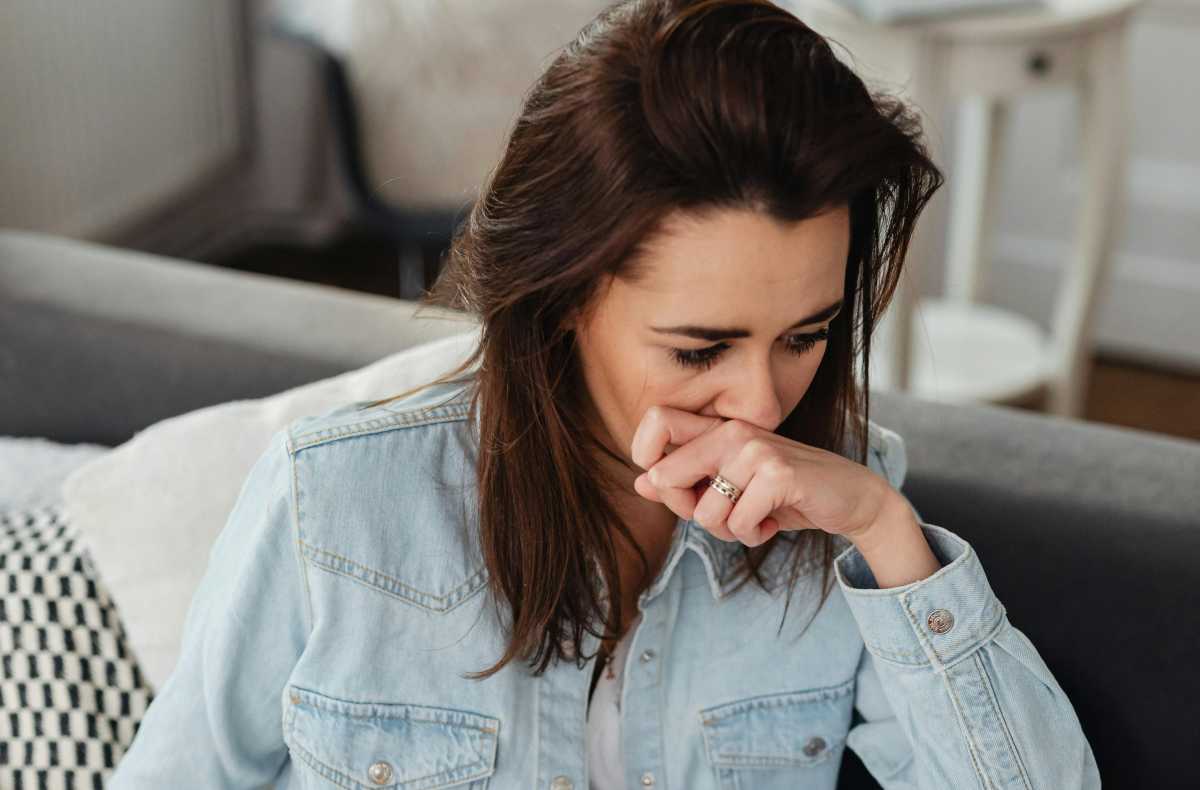
As soon as the nurse regained her consciousness, it was moments before something terrifying could happen. She took the moment to her advantage and said one statement that assured her she had help. “I asked the bystanders if they could call an ambulance as I thought I was having a heart attack,” Hanson recalled. Done as told, the emergency services were called and the nurse was put into the ambulance. It was only 15 seconds after she got into the ambulance that she went into cardiac arrest. According to Lifeline EMS, the amount of time taken to get help during a cardiac arrest can significantly affect the chances of survival.
Irreversible brain damage occurs within four to six minutes of a cardiac arrest and having medical help ready can make a life-saving difference. Nathan Judge, director of NAPA Medical, explained, “In Jersey, it takes roughly six minutes and 41 seconds for an ambulance to respond [to this kind of call].” He continued, “Each minute that CPR isn't undertaken, you lose 10% of your chances of survival. So at six minutes 41 seconds, you'll be looking at about a 60% decrease in survival rates for people on the island.” Fortunately, Hanson knew how crucial it was to get that timely help and was able to alert the bystanders.
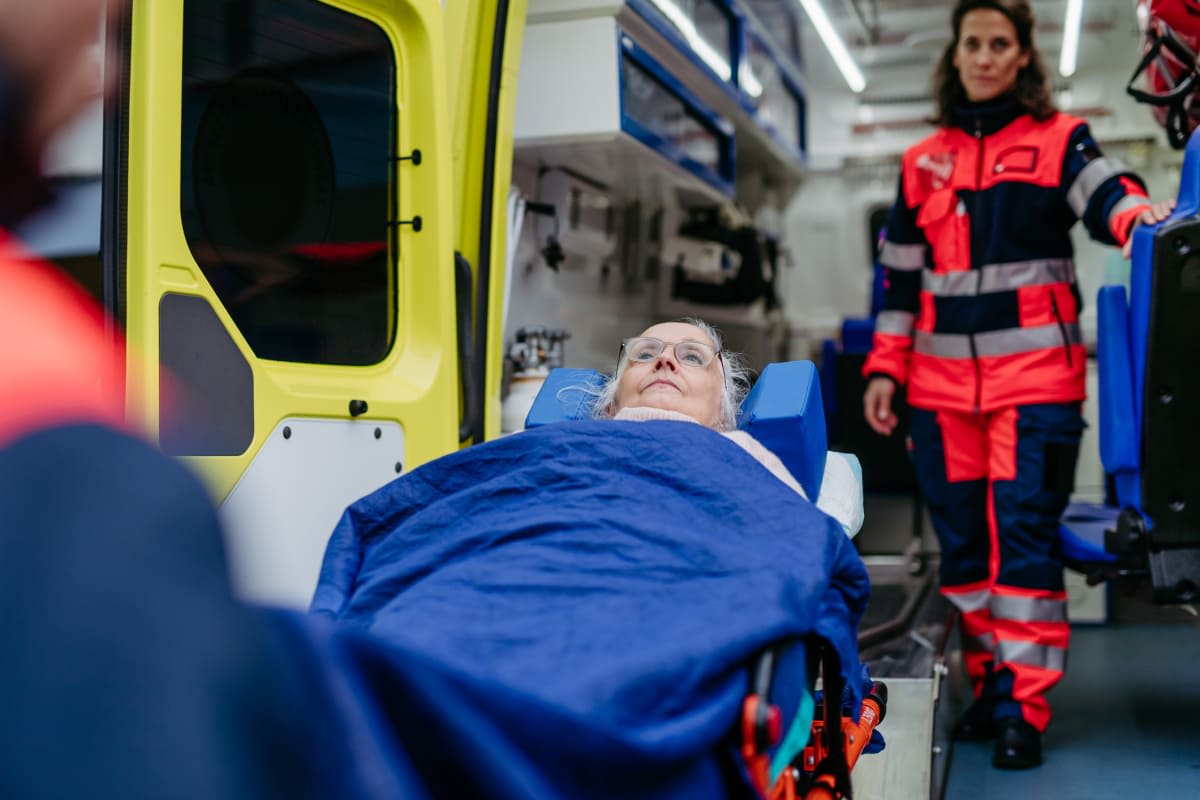
When she went into cardiac arrest seconds later, she was already in the ambulance with medics and equipment ready. "I was in the right place at the right time and they were able to initiate CPR straight away,” she said. She added that one shock from the defibrillator “brought me back to the land of living.” Eight years later, she is still fine, still grateful that she was able to understand her symptoms and deliver the information for help to be arranged in time. "I consider myself very lucky to be here and talk about it, even though it was a horrendous experience,” she remarked.
More on Amplify
‘Exhausted’ commuter offered elderly man seat—his one statement broke their heart